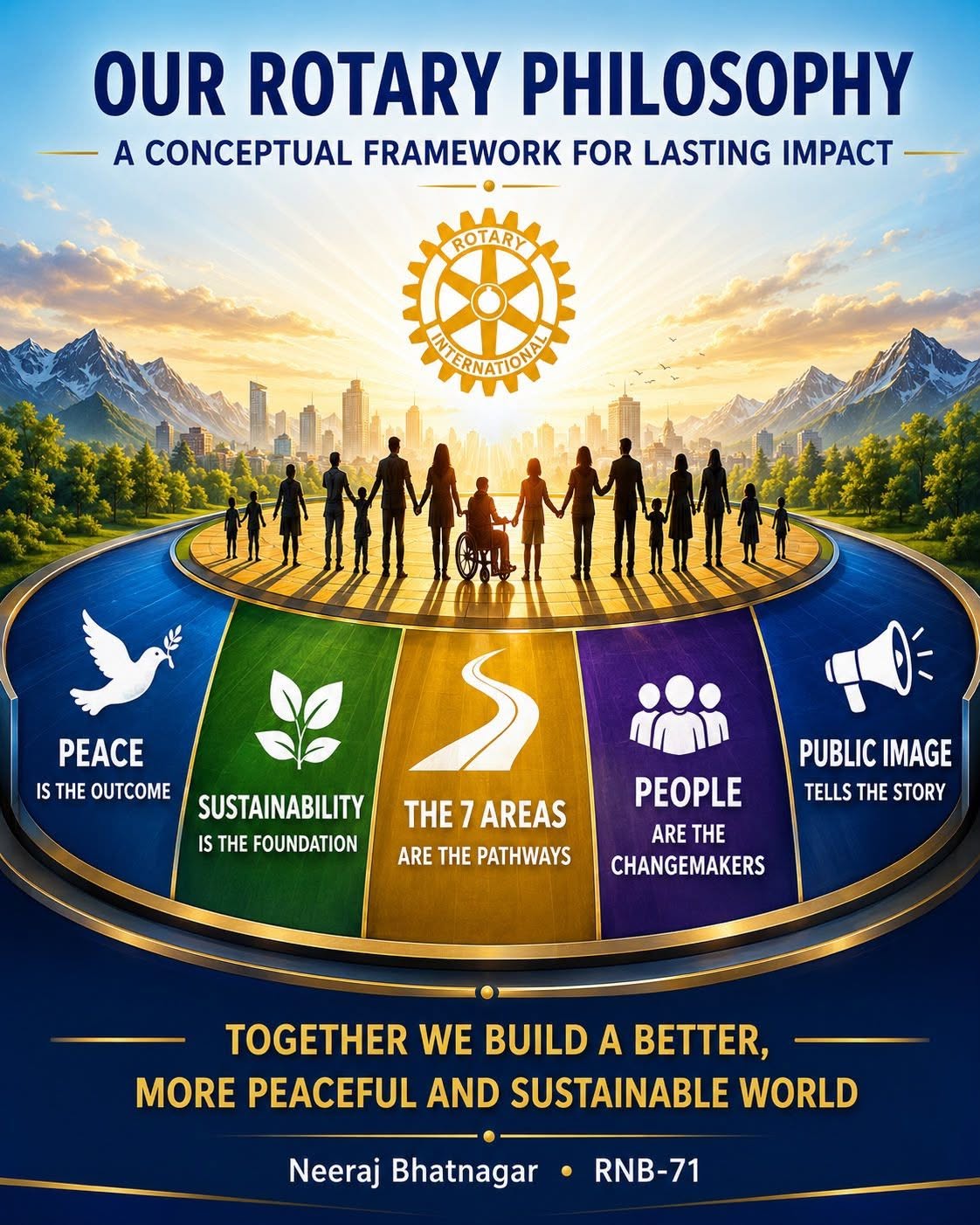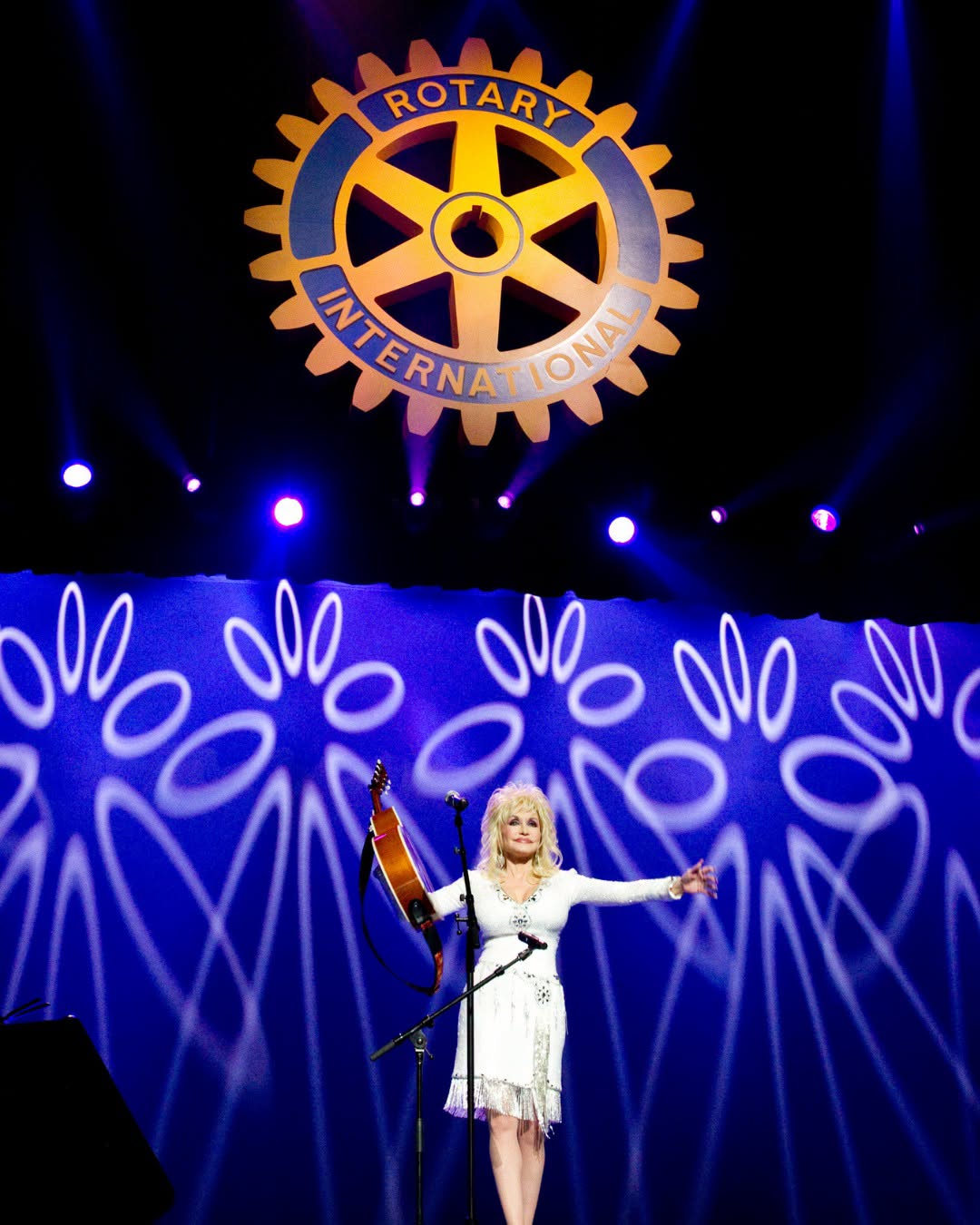
ROTARY INTERNATIONAL THEME FOR 2026-2027
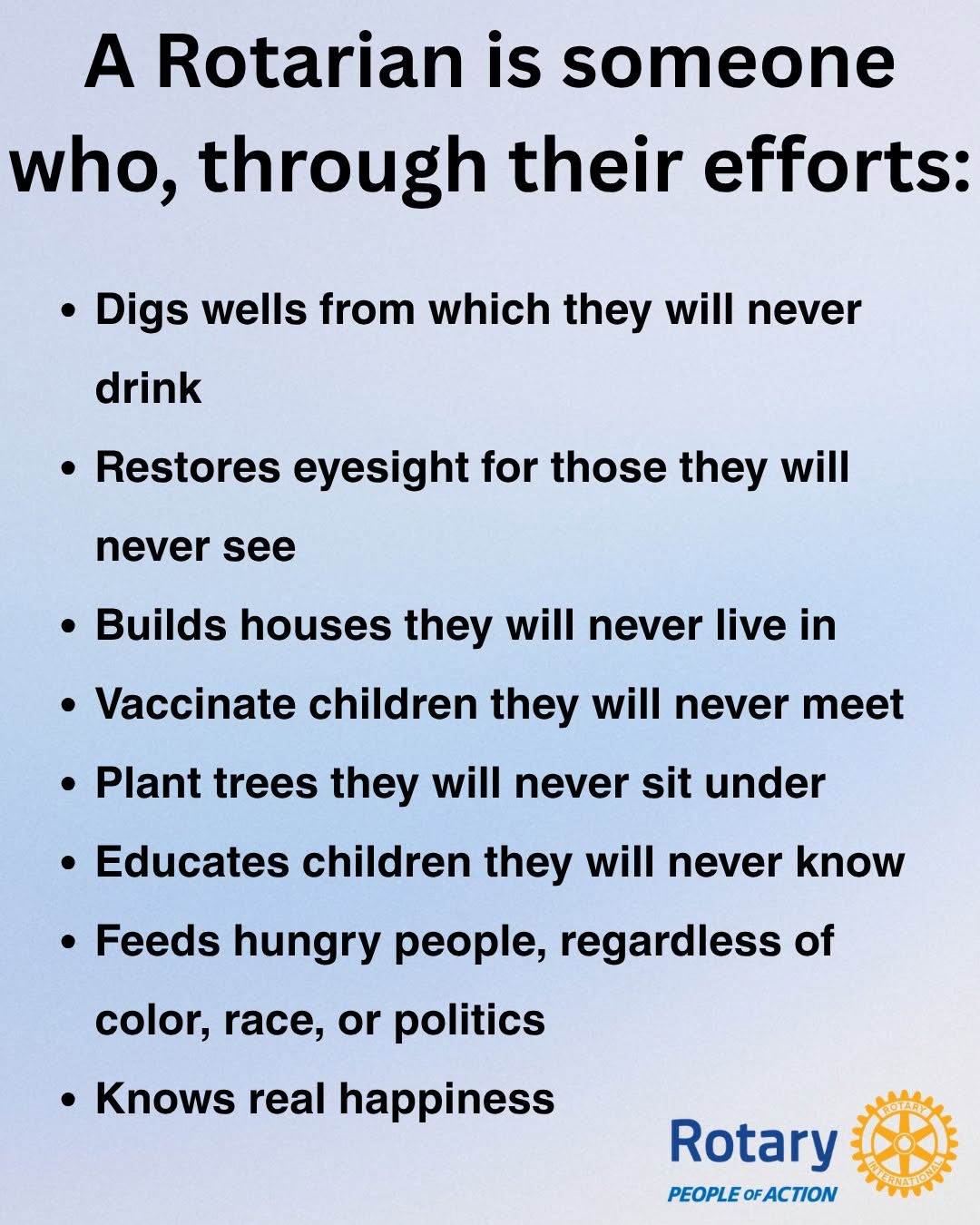
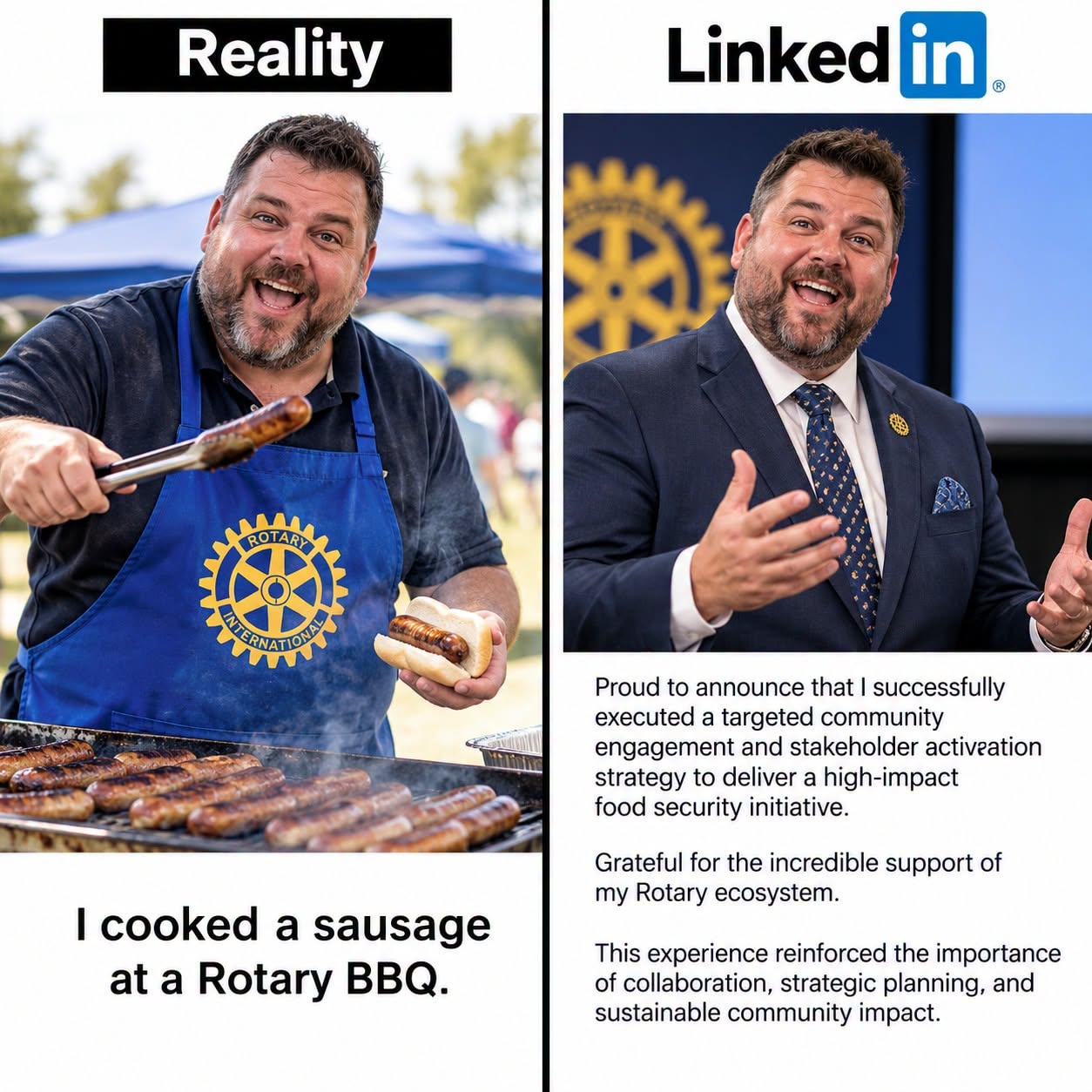
“I’m a highly influential, purpose-driven, community-centric, multi-disciplinary humanitarian thought leader operating at the intersection of global philanthropy, strategic stakeholder engagement, grassroots transformation and sustainable social impact delivery.
Responsible for spearheading high-level, cross-functional, multi-generational collaborative initiatives within a globally integrated network of over 1.2 million change agents, leveraging a sophisticated ecosystem of relationship capital, service-oriented innovation and values-based leadership to deliver measurable, scalable and transformative humanitarian outcomes……….
Or in other words, I’m a member of Rotary”:
Monday October 26th 2026
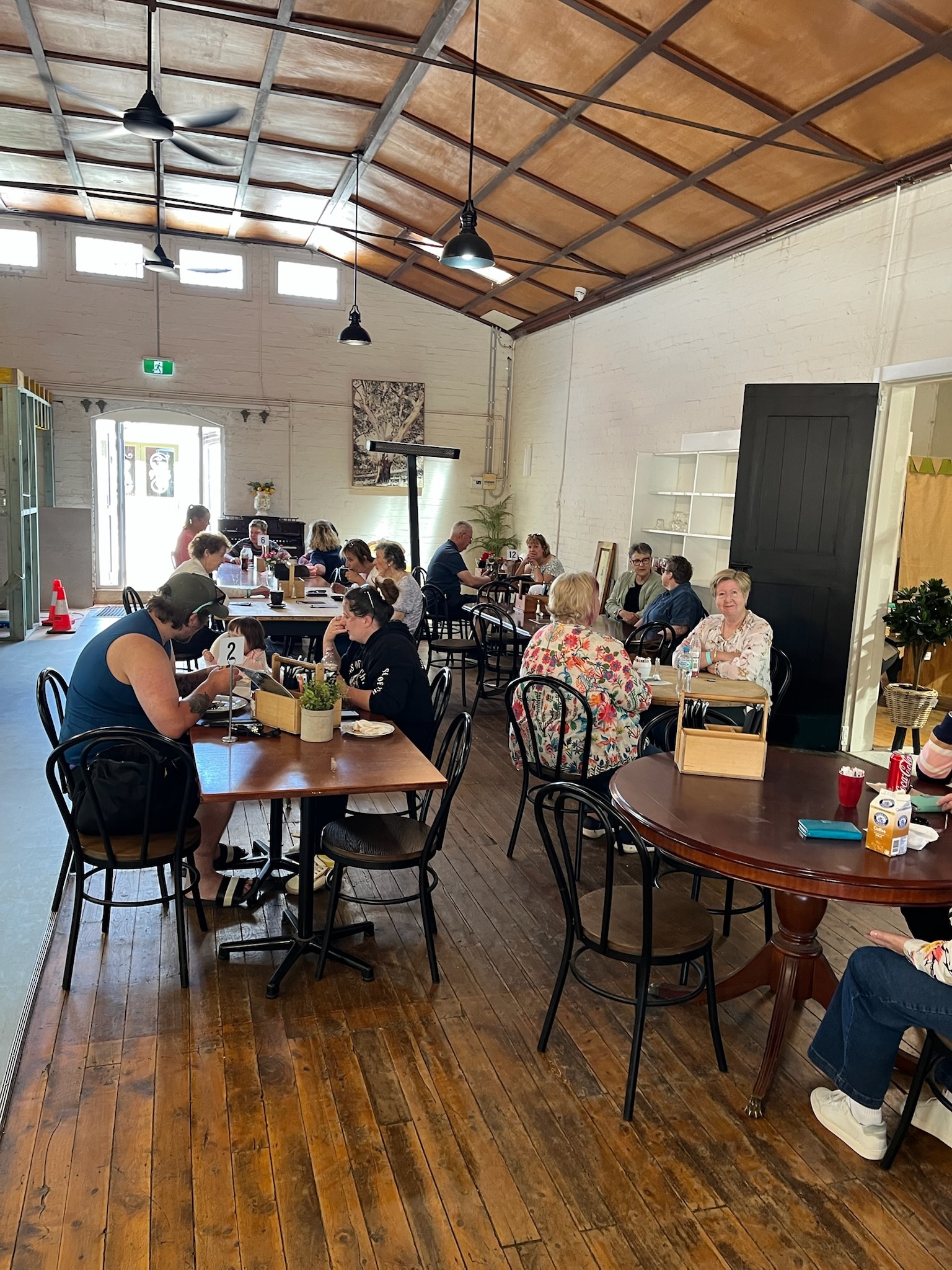
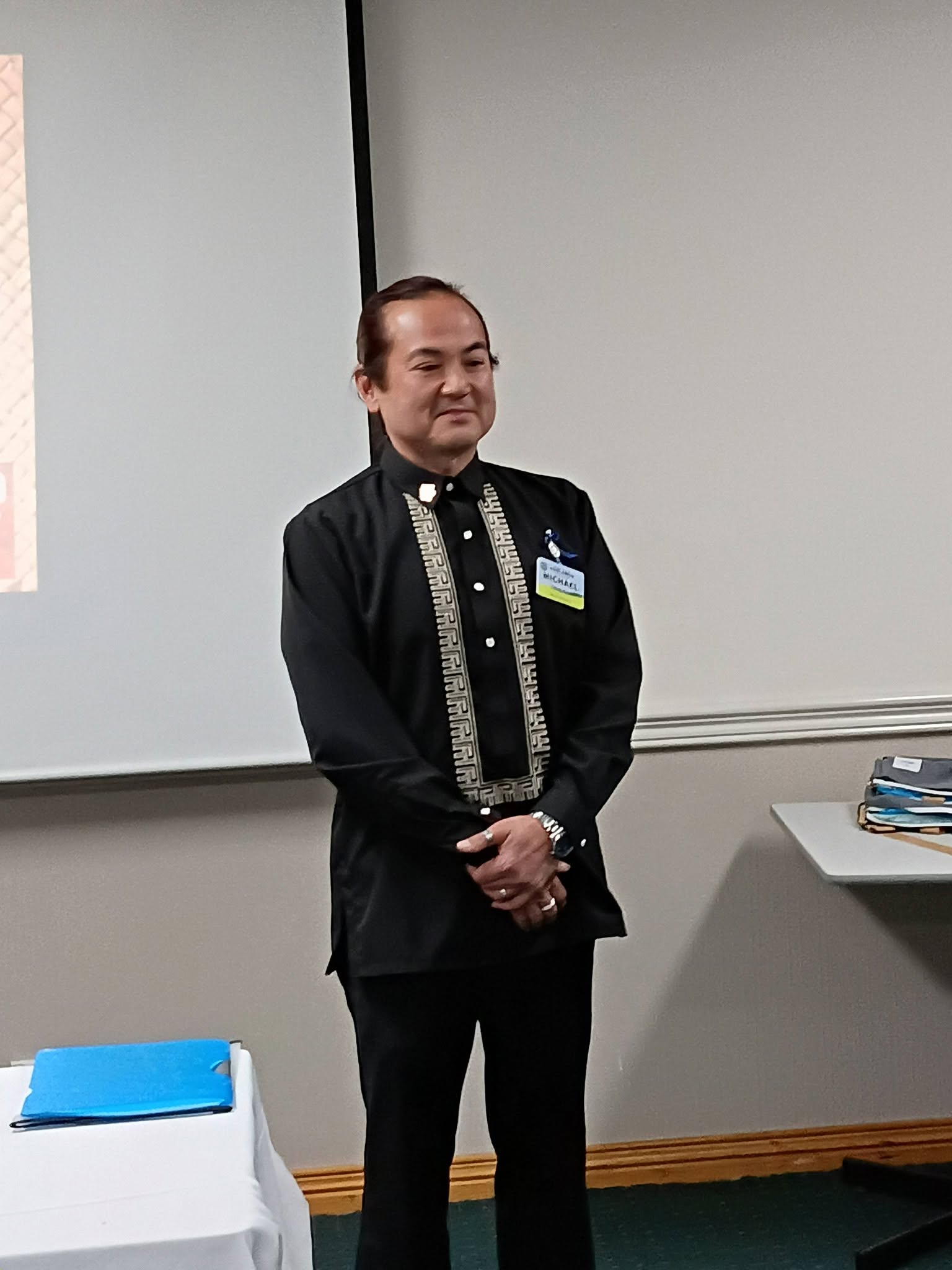
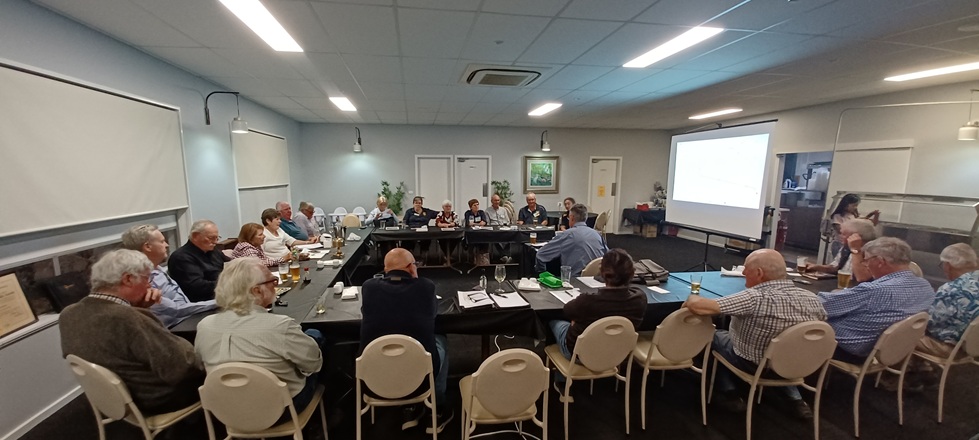
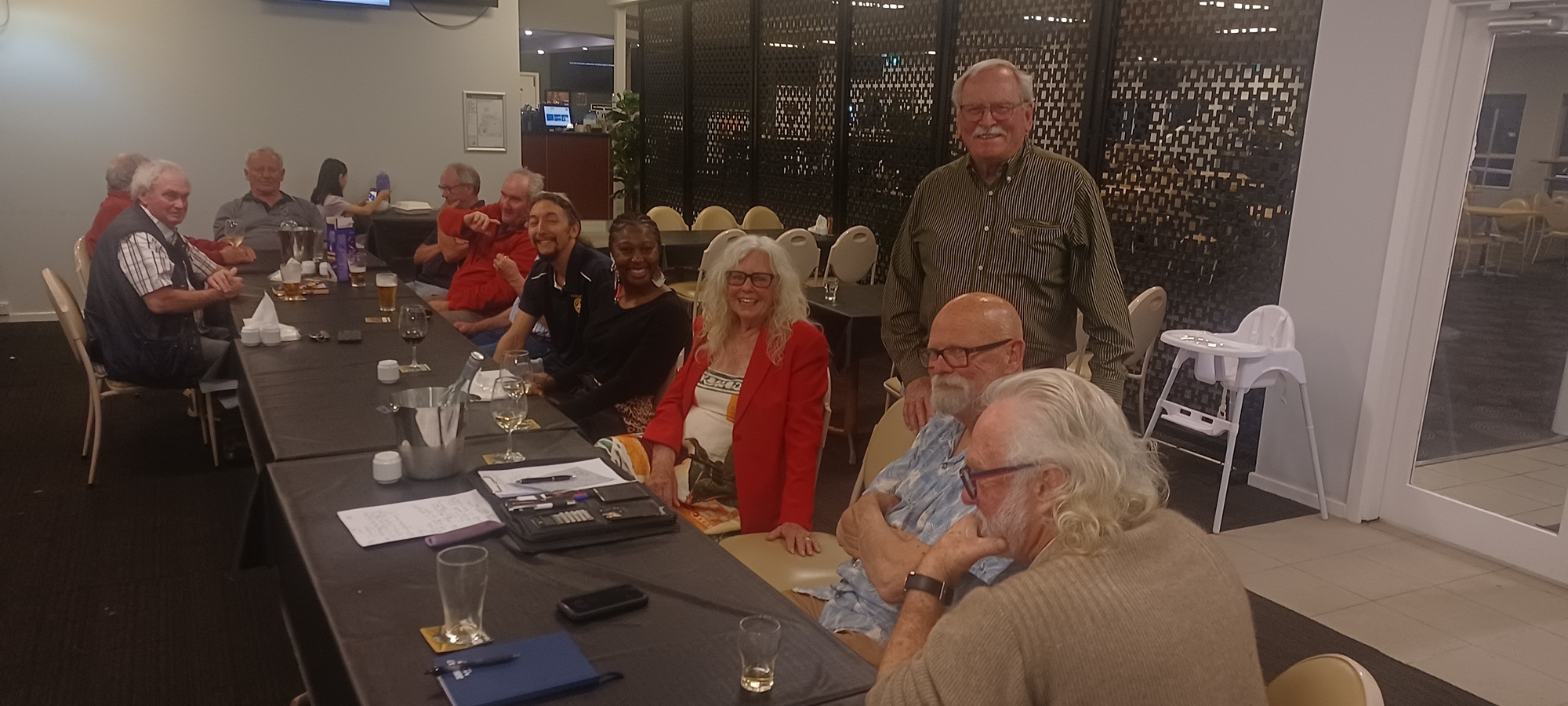
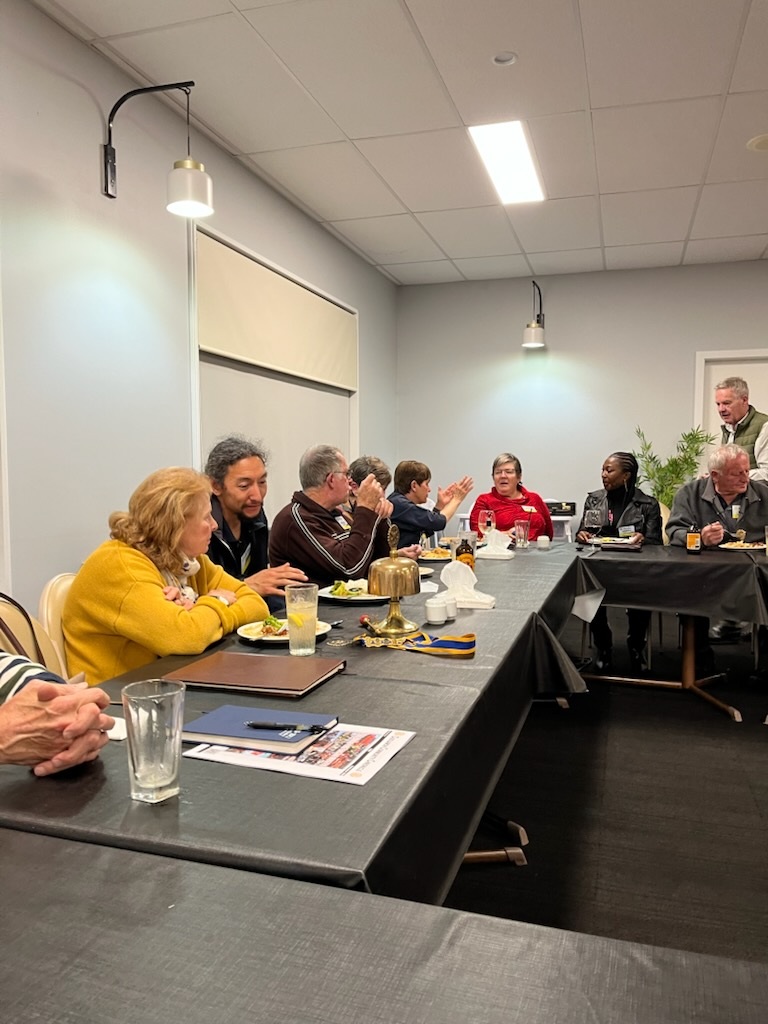
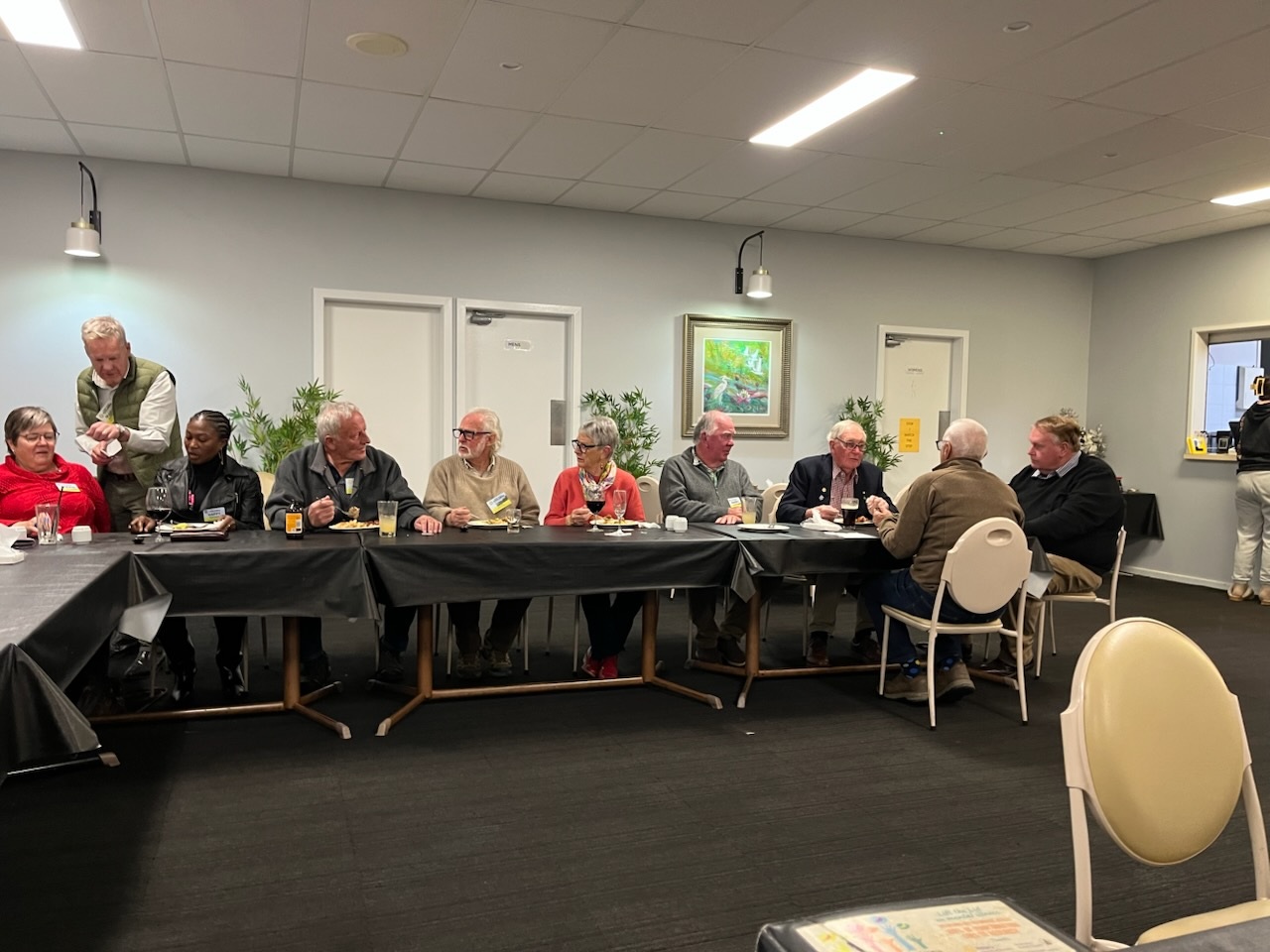
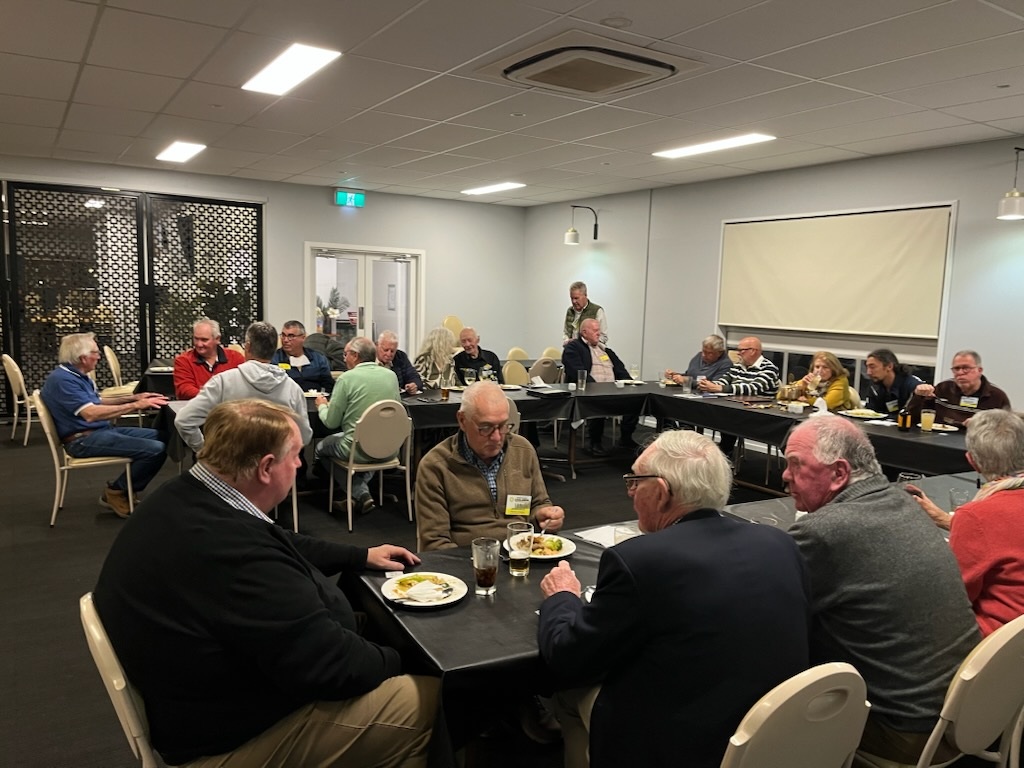
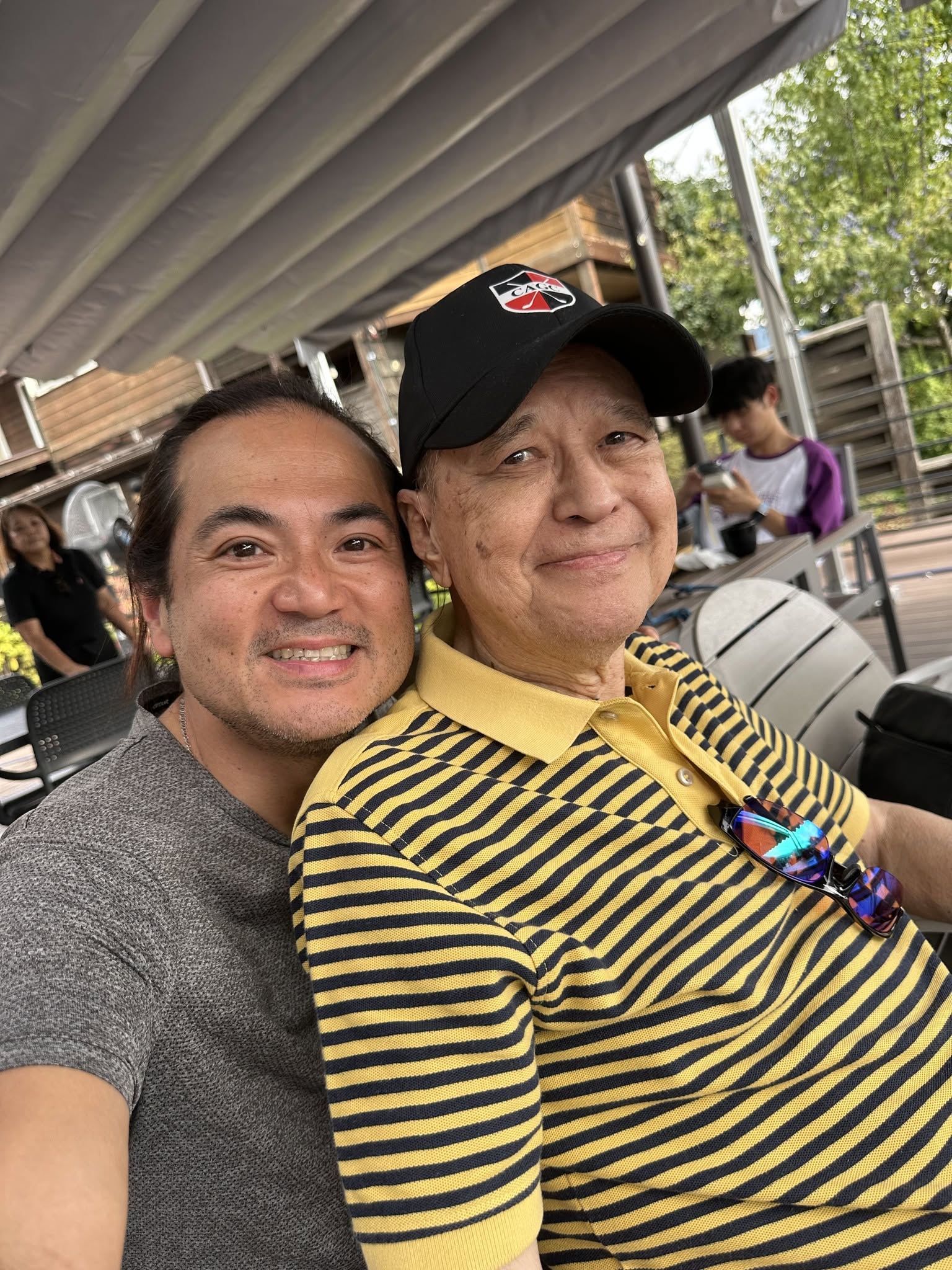
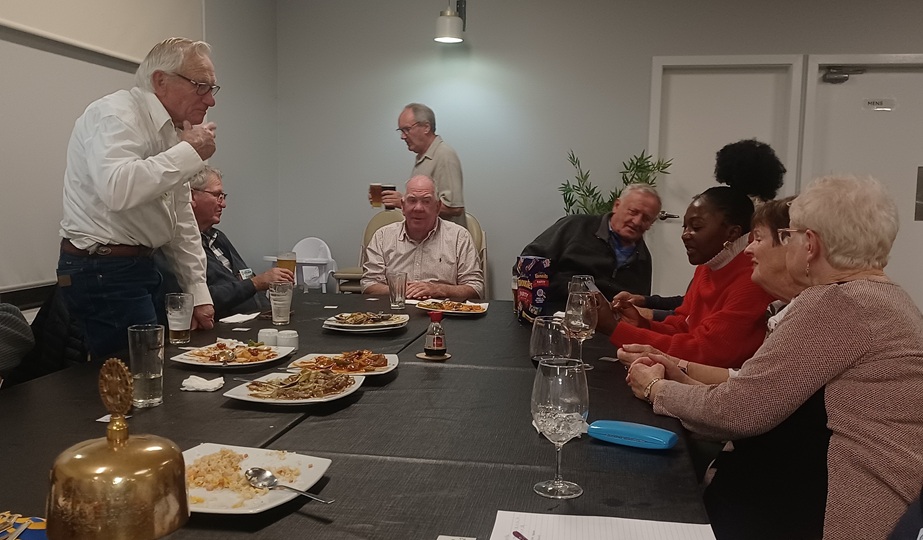
PE Michael Trinidad welcomed 21 of our members to the meeting and then President Leslie resumed as chair after making a huge effort to get to the meeting, having just arrived home from Italy. Leslie then welcomed our guest speaker PP Deirdre Tome from Wagga Wagga Sunrise RC and Deidre’s husband PP Philip Tome from the Kooringal RC. Our regular visiting Rotarian PP Garth Perkin, from the e-Club of Brindabella introduced himself. Michael welcomed his partner Matt Christie.
Leslie brought us up to date with the results of Paul’s visit to Sydney and his medical condition. We all wish Paul the very best.
We then had some general business:
- Leslie advised the meeting that the NYE raffle prizes and wheel barrow will be finalised in a week and the prizes will be listed for all.
- Albert is still looking for donations of clothing.
- Albert and Gary, Alex, Bear and Mark Dubois had a productive day splitting firewood and Bear filled his large trailer with a “shit load” of prime horse manure from the Westons’ property.
- Garth sold 8 Rotary Christmas cakes.
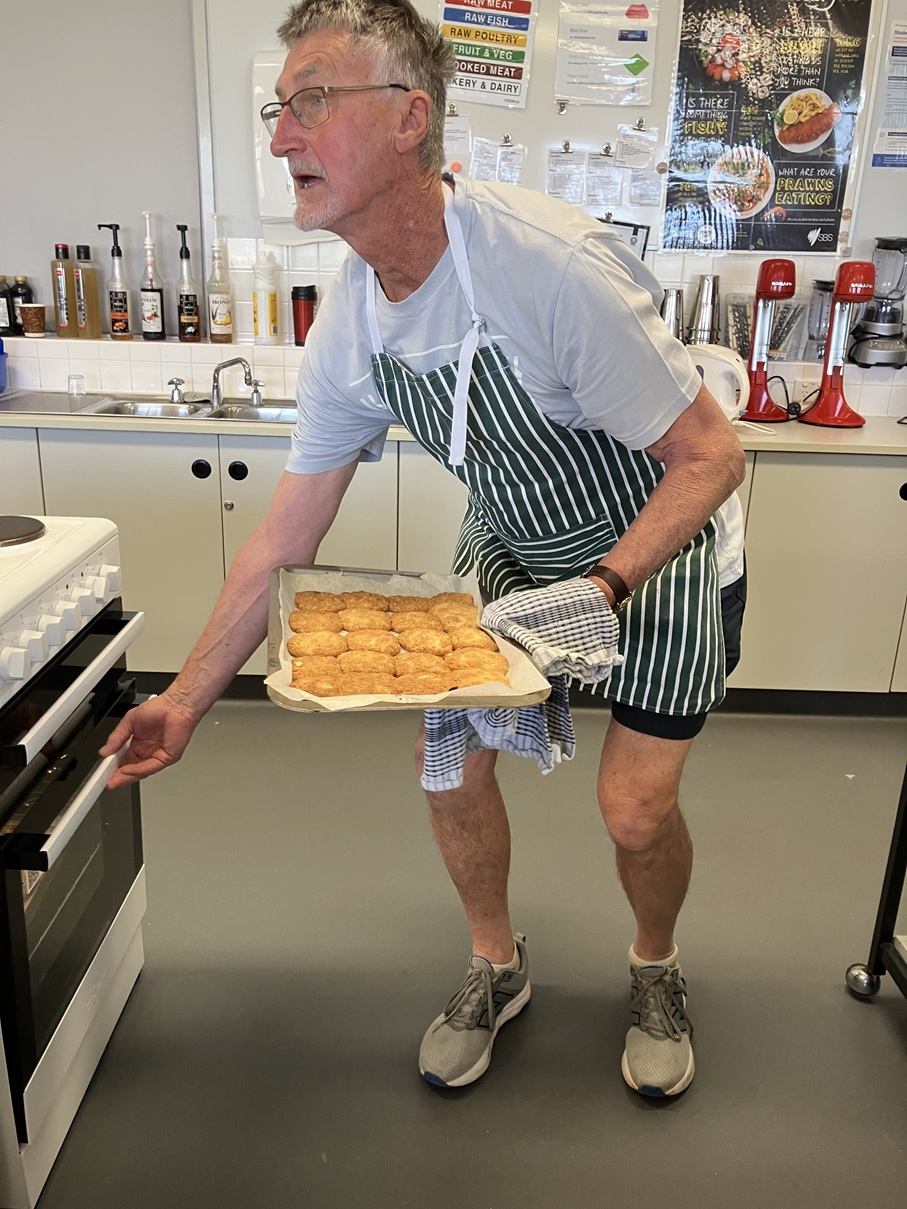
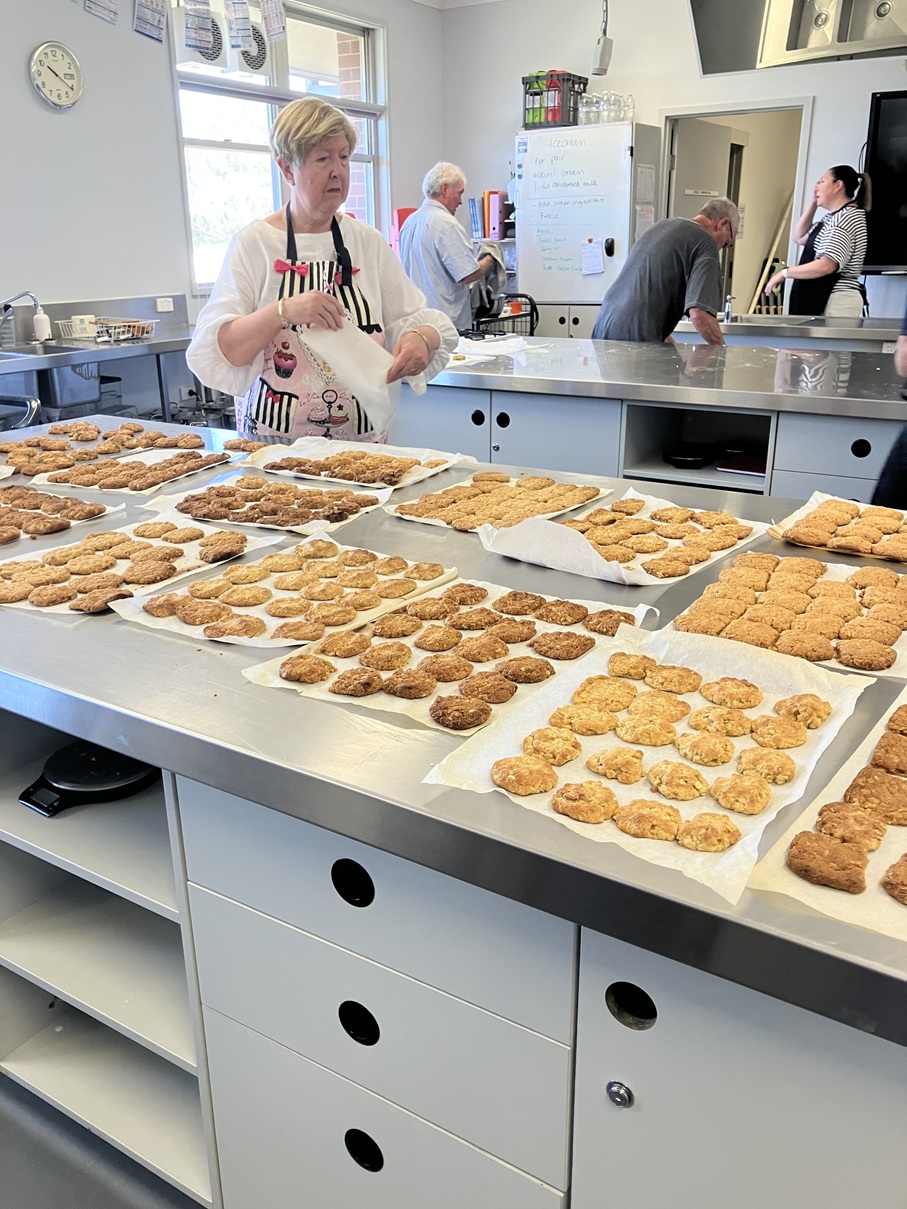
- Anne said that the CRC has been invited to cater for lunch at the North Wagga TAFE for the shearing and wool class students, on the 10th November and volunteers are needed. The volunteers need to be there by 12 midday. Everything will be supplied we just have to do the cooking. A roster will be available next Monday.
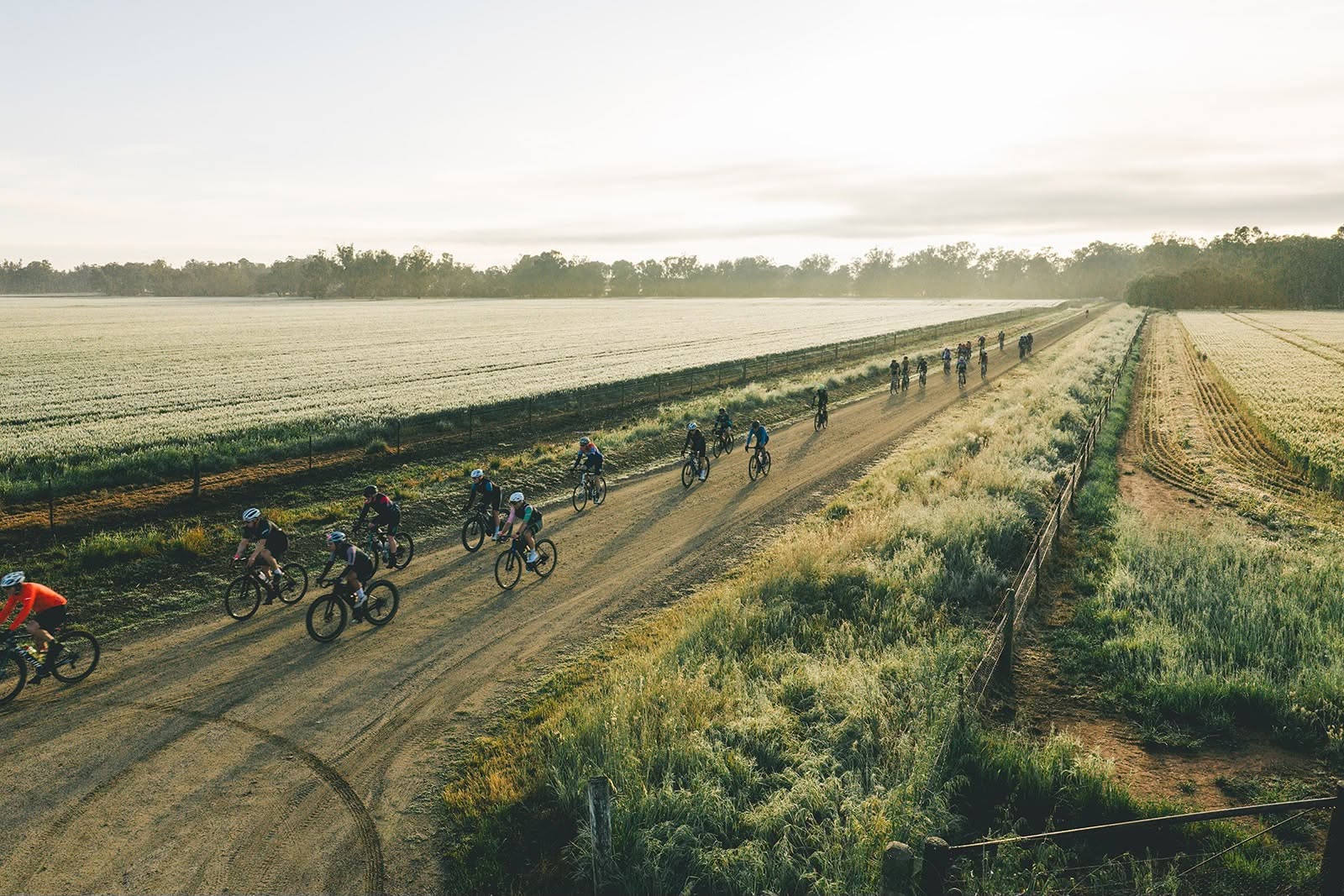
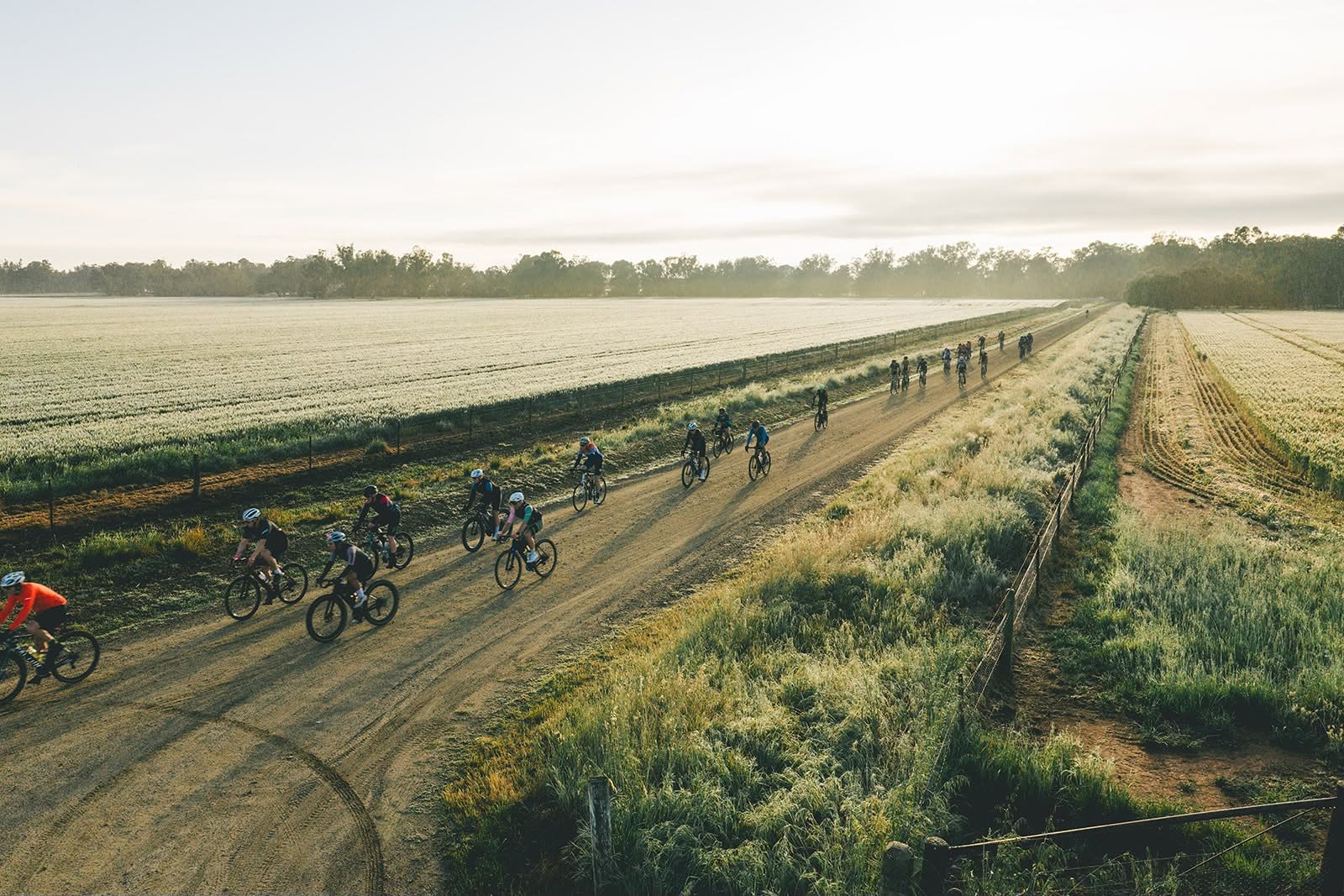
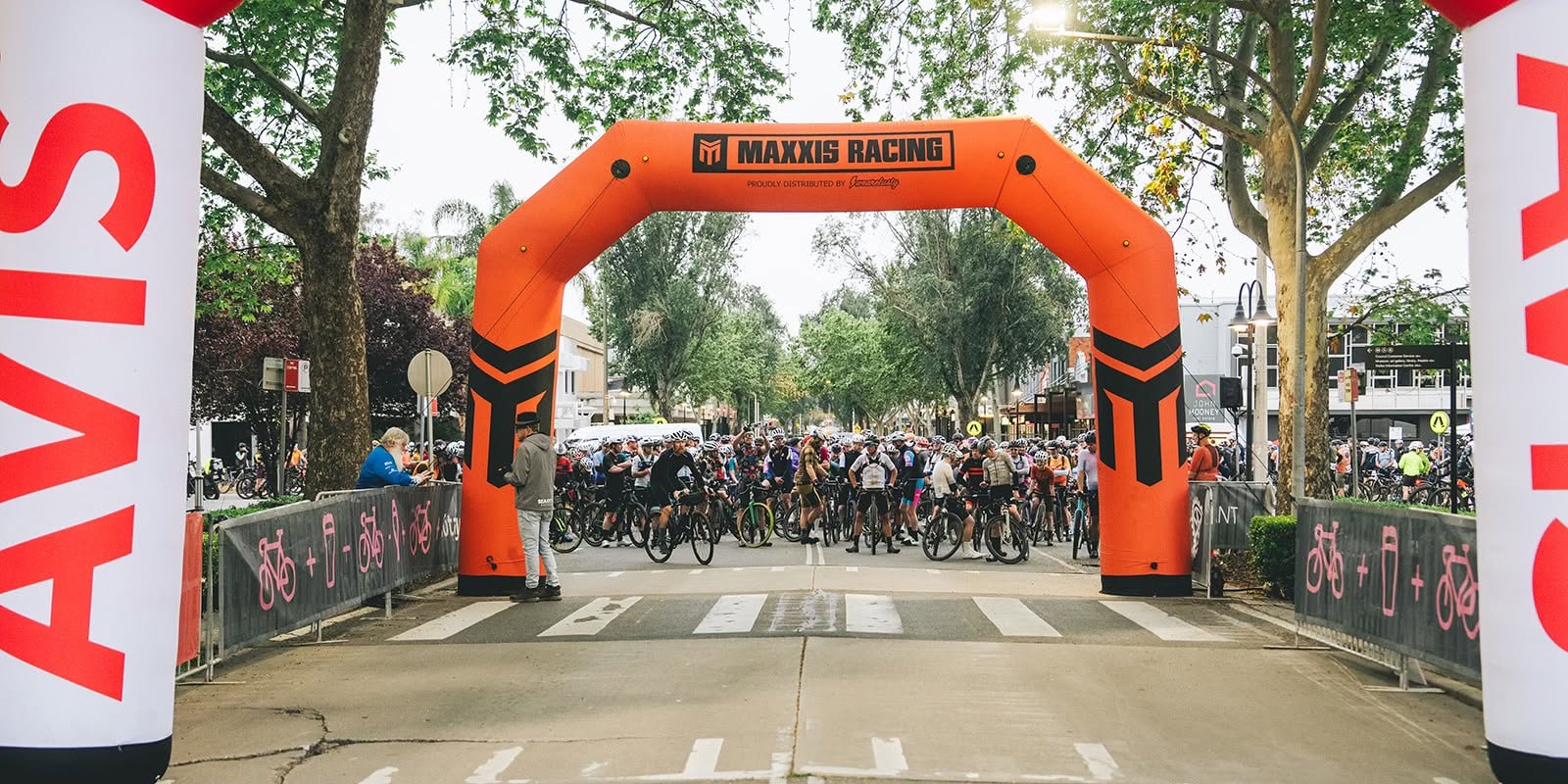
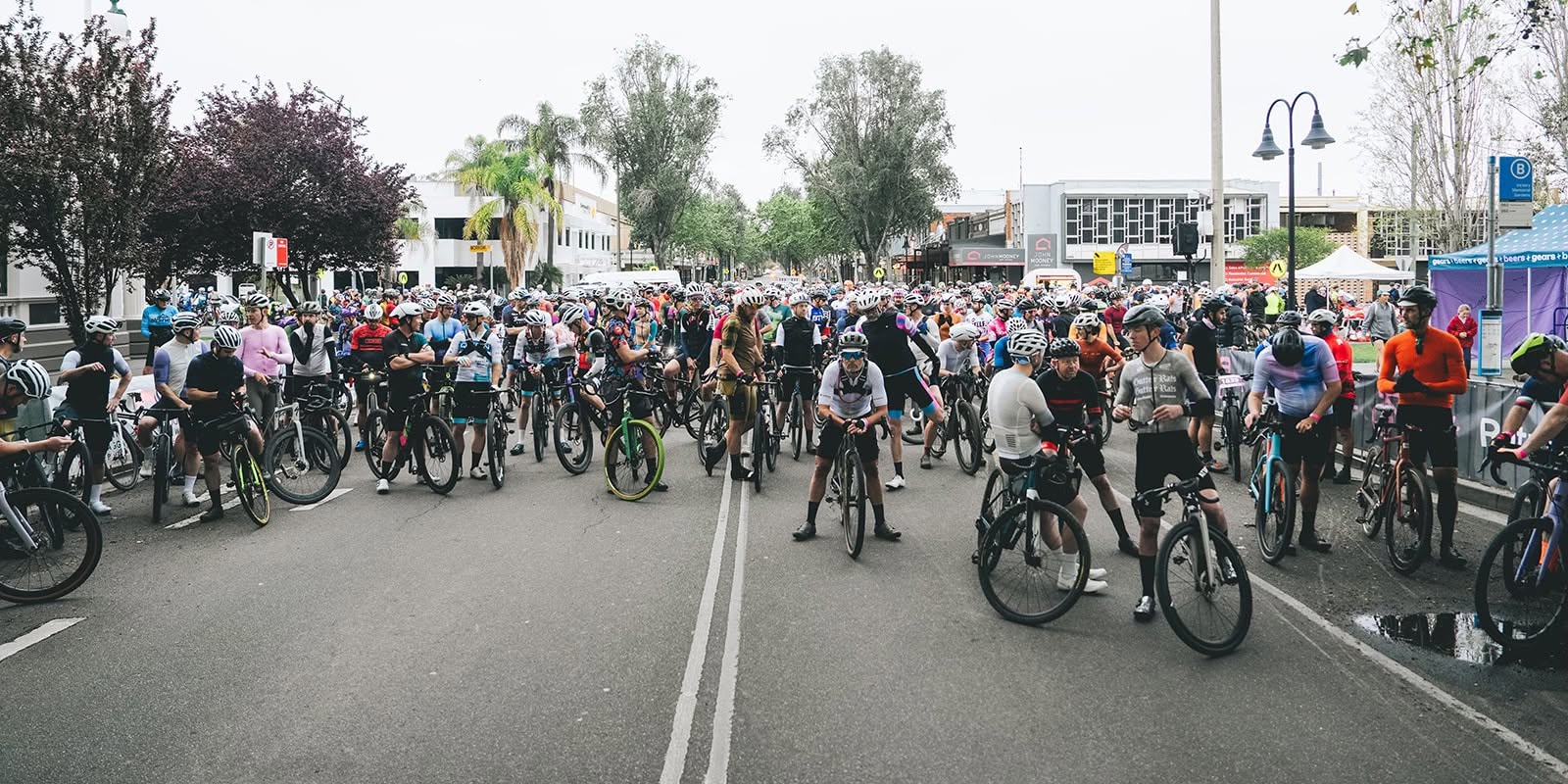
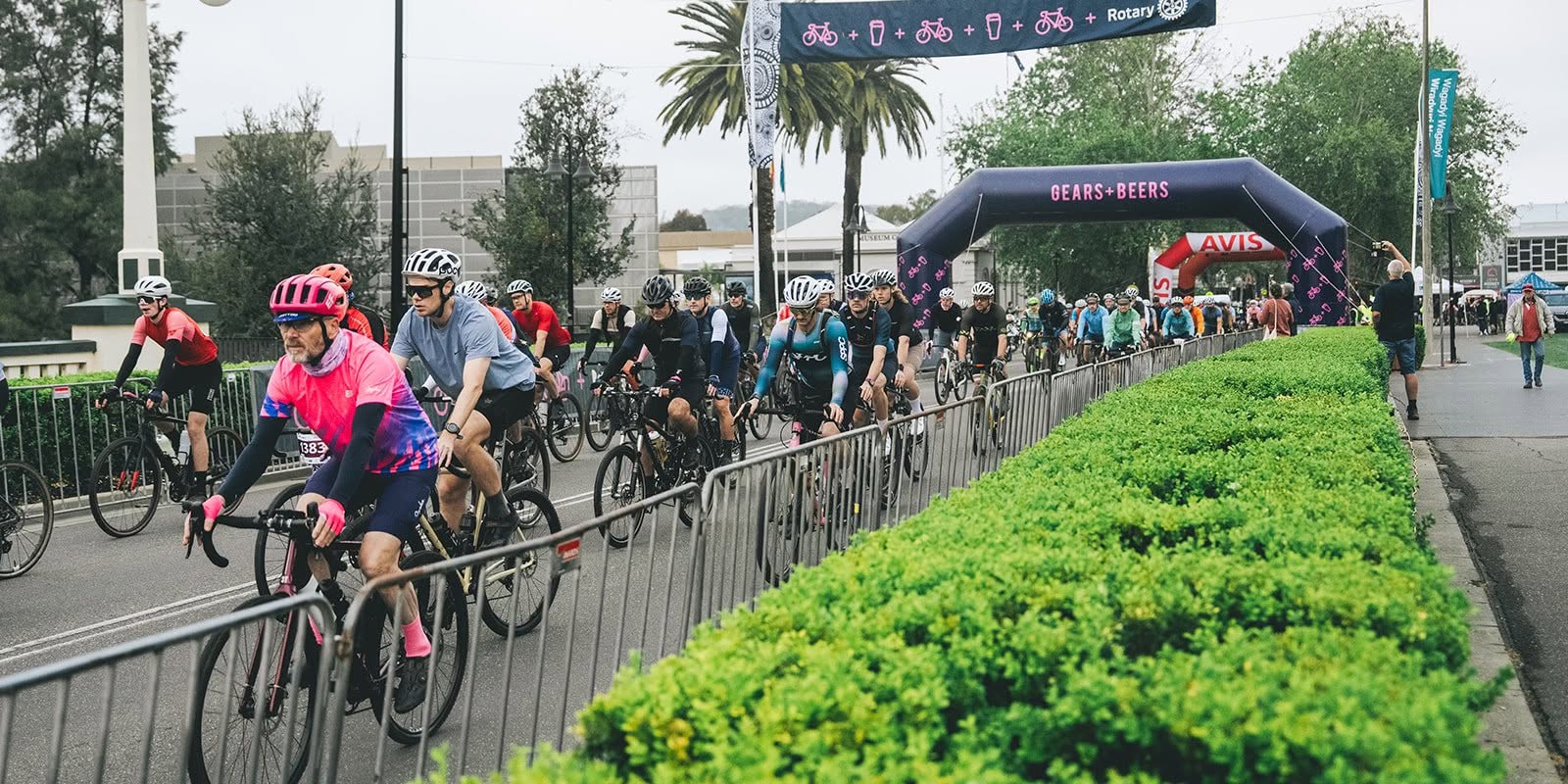
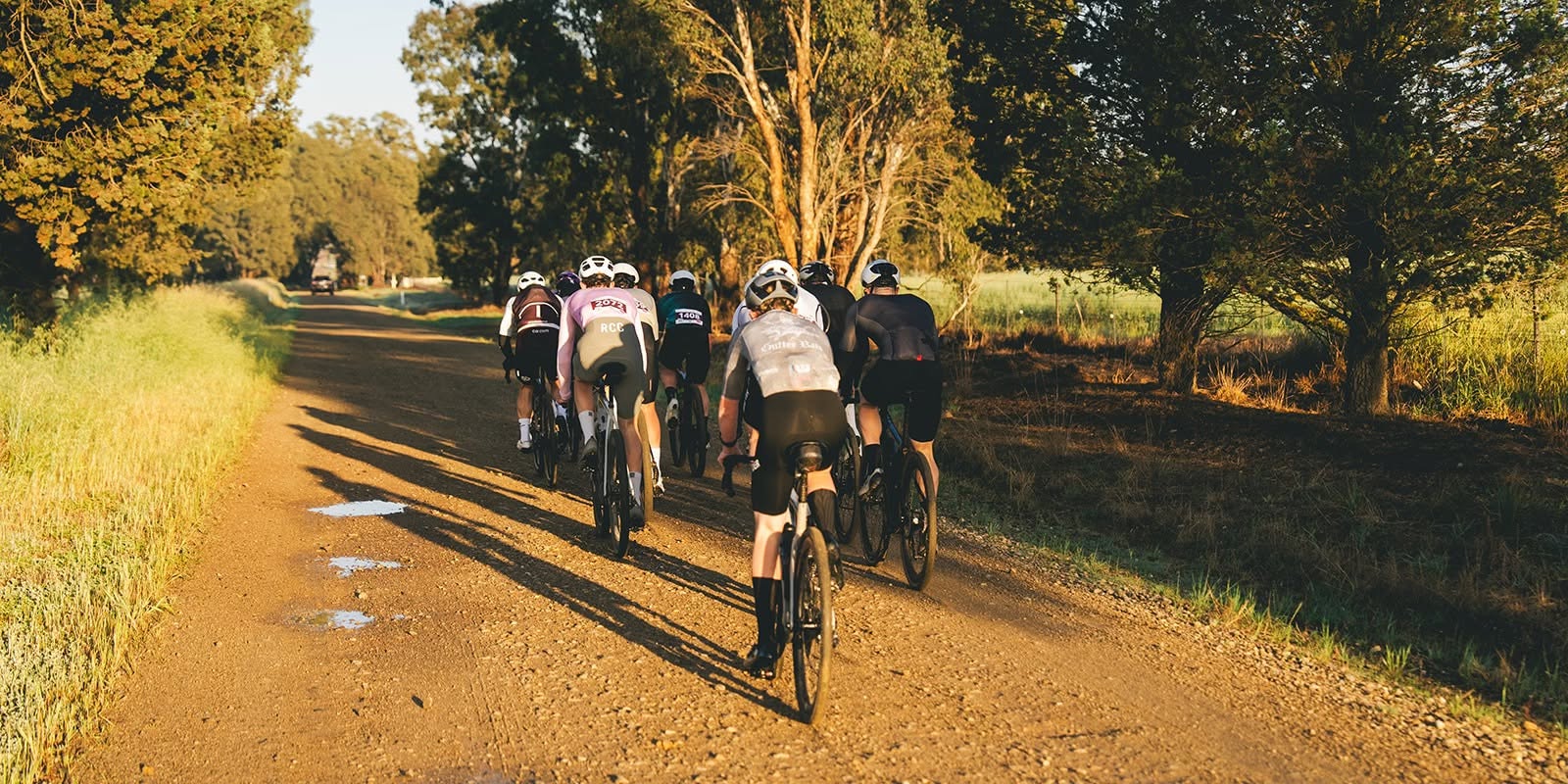
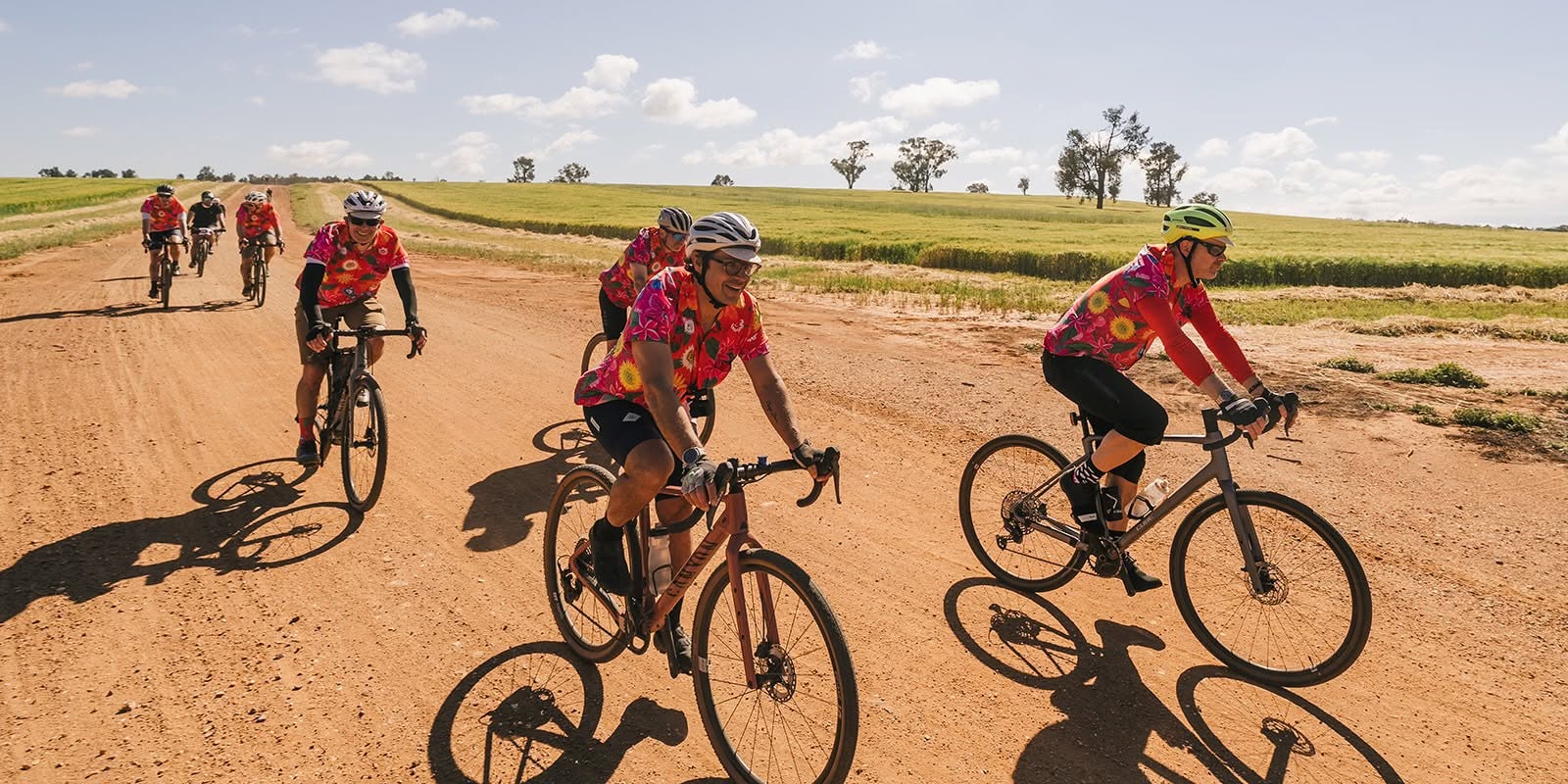
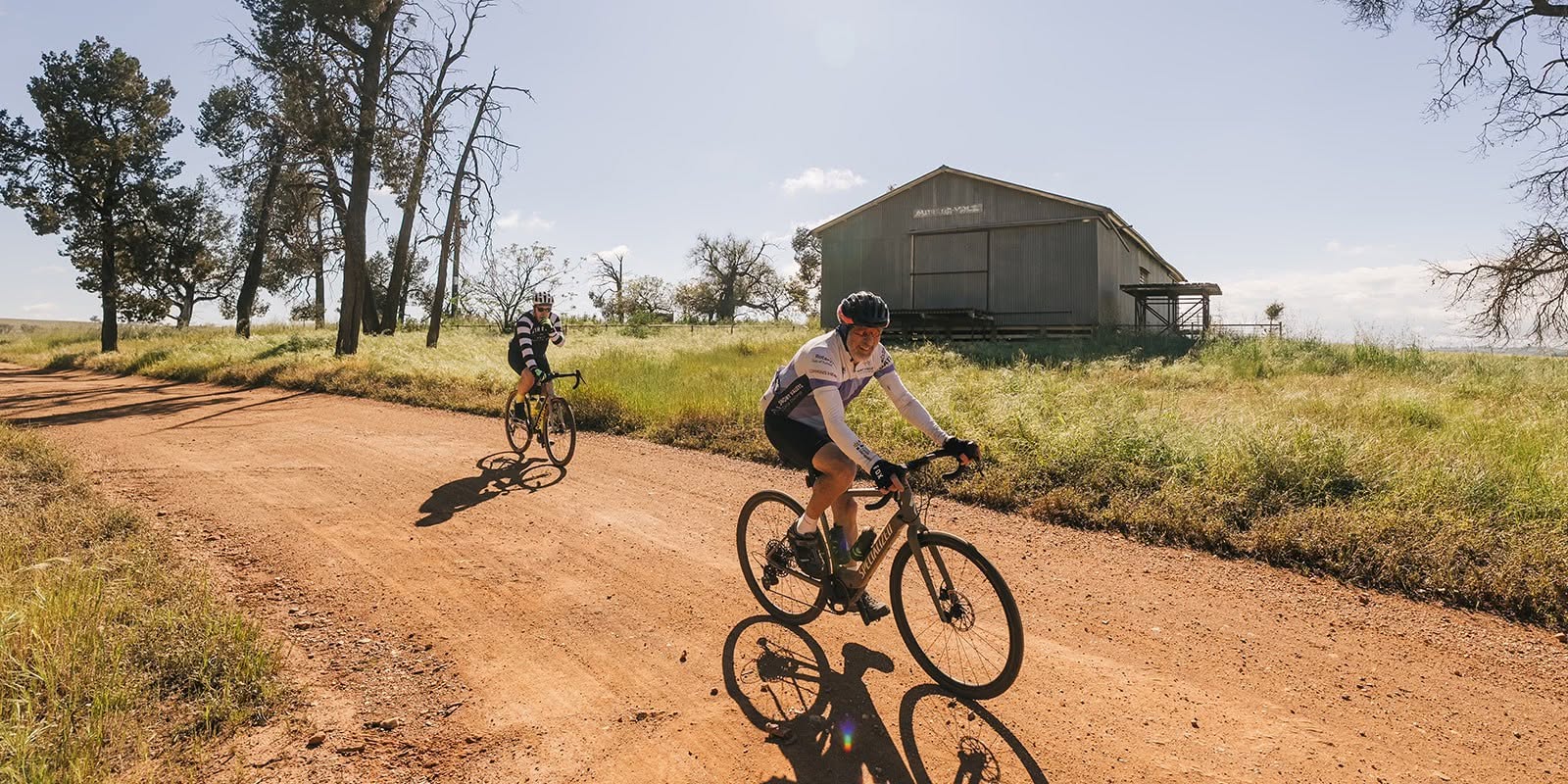
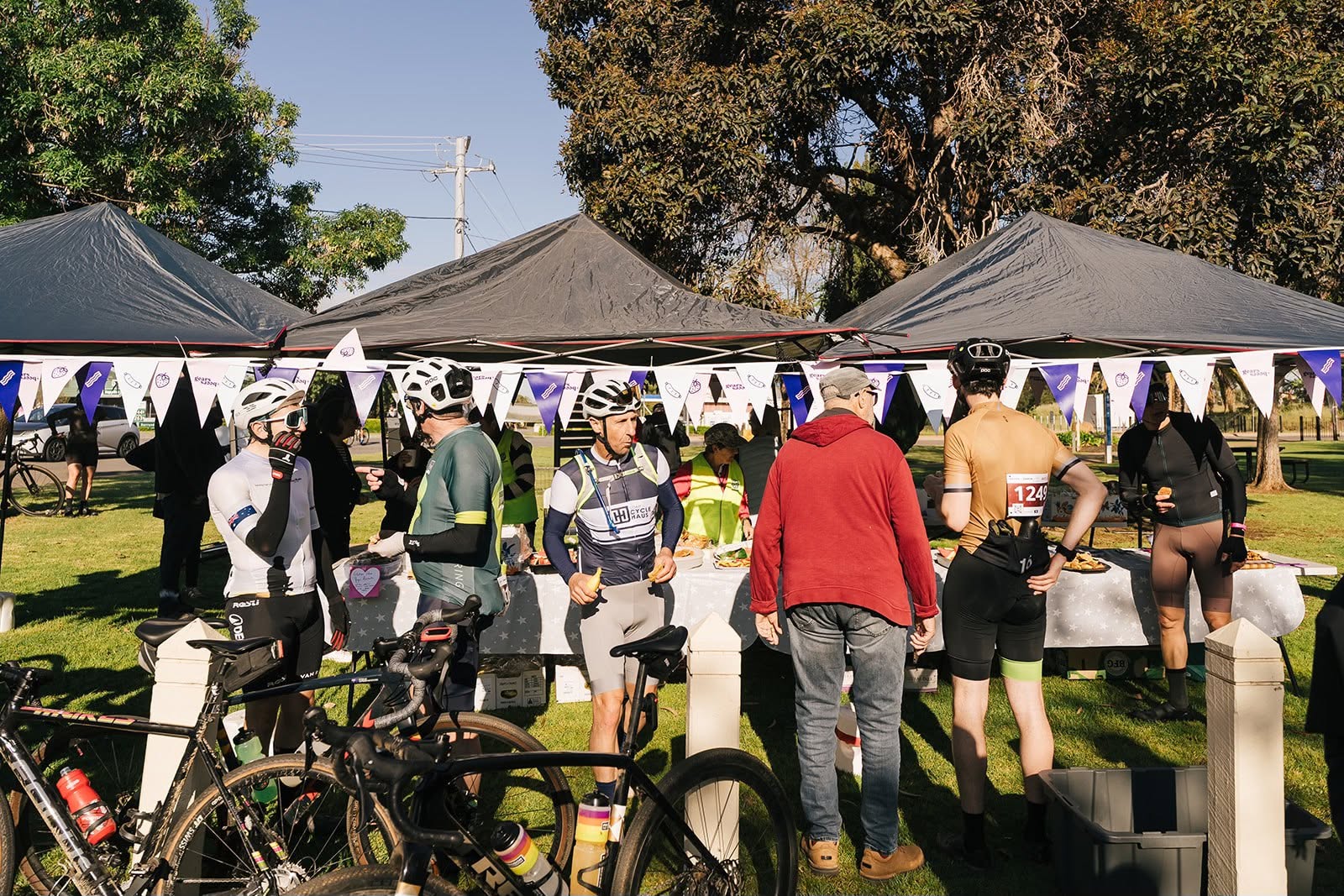
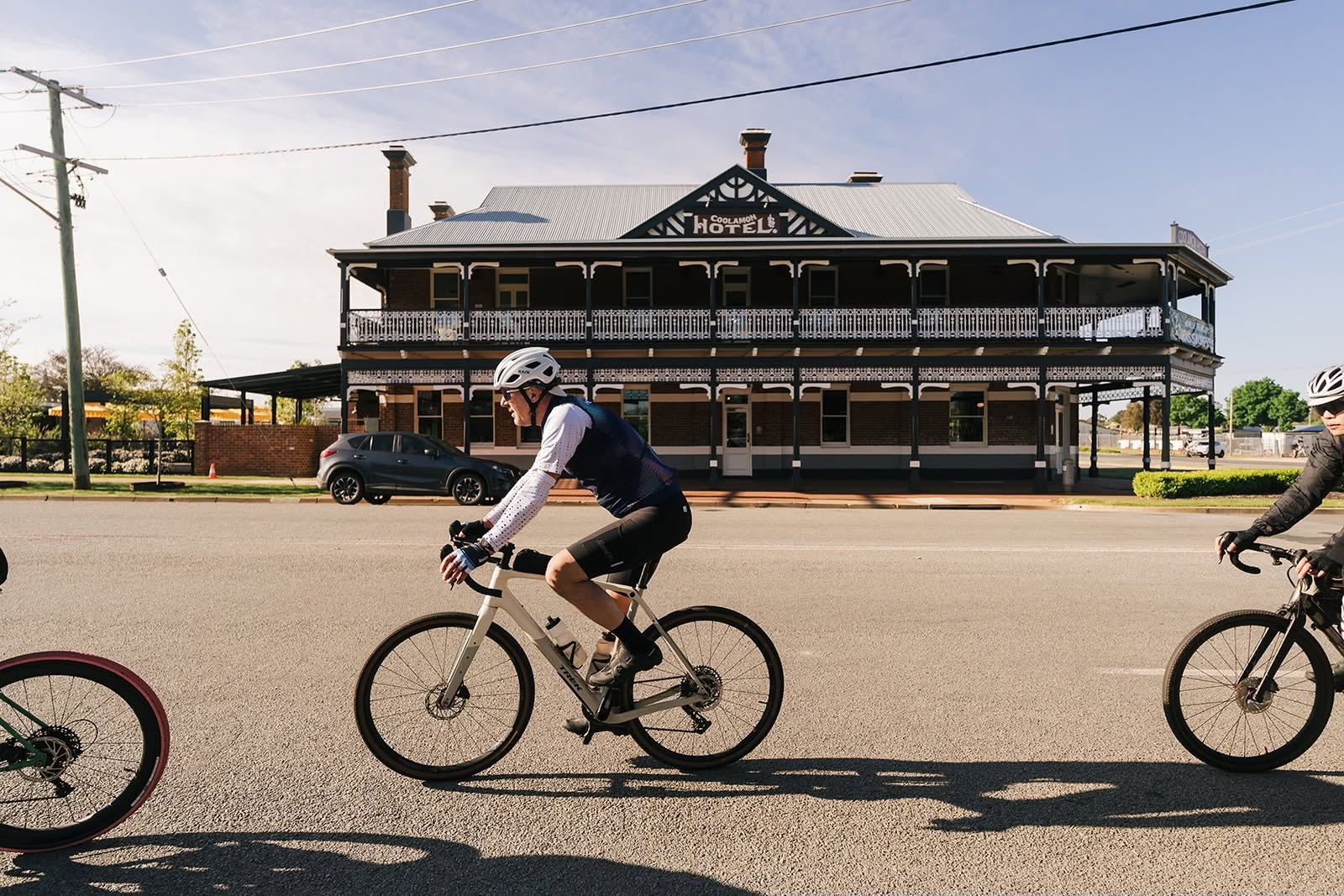
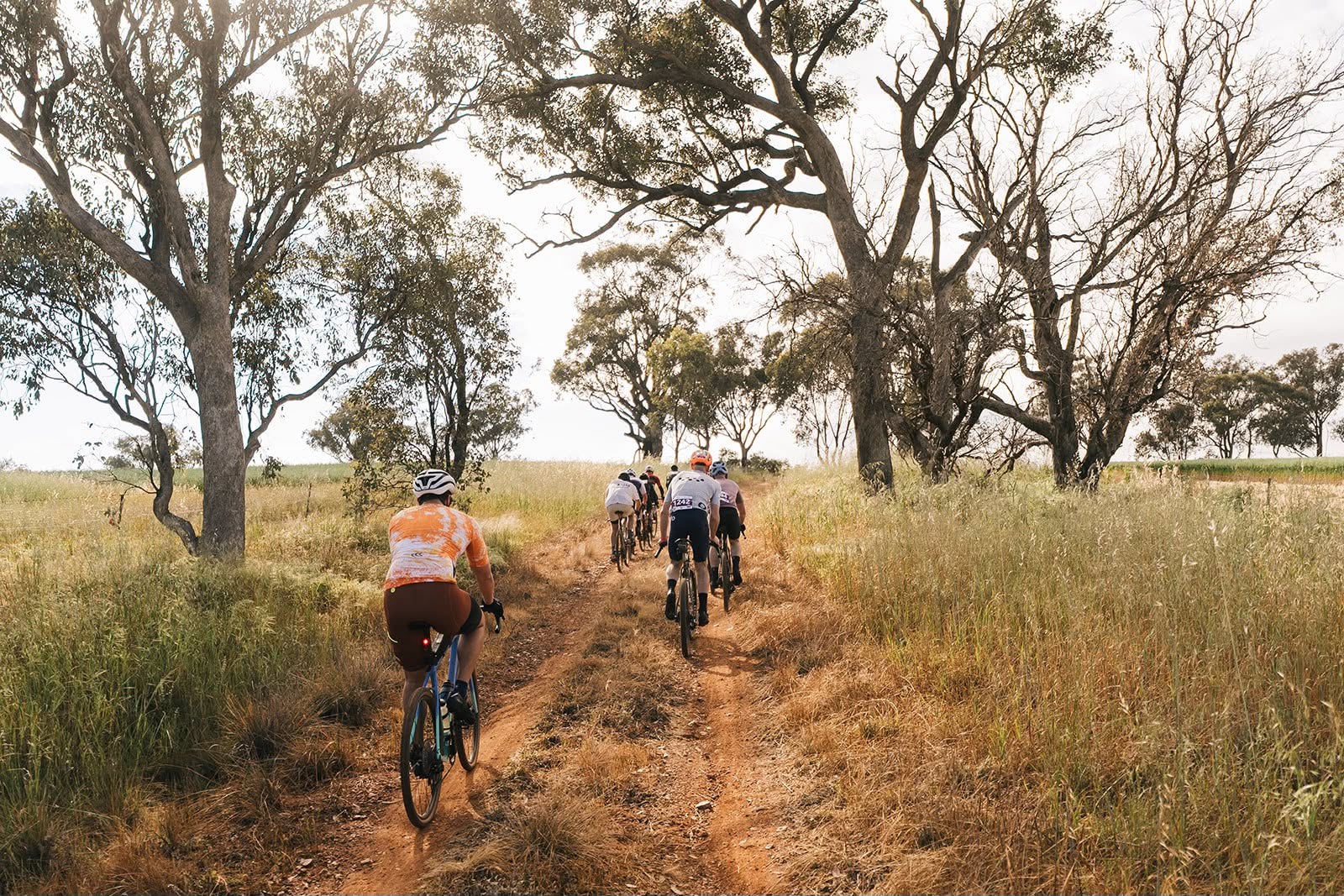
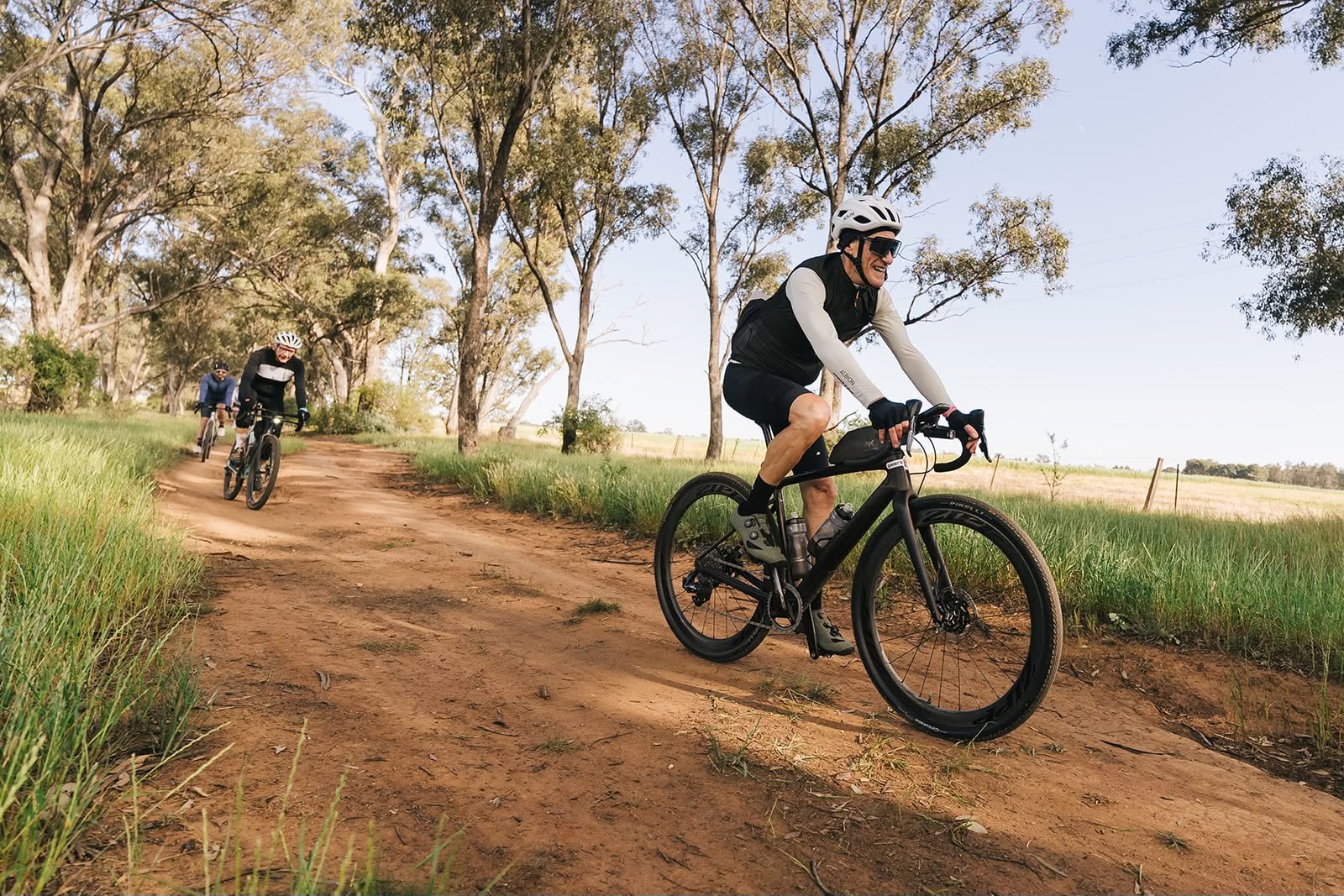
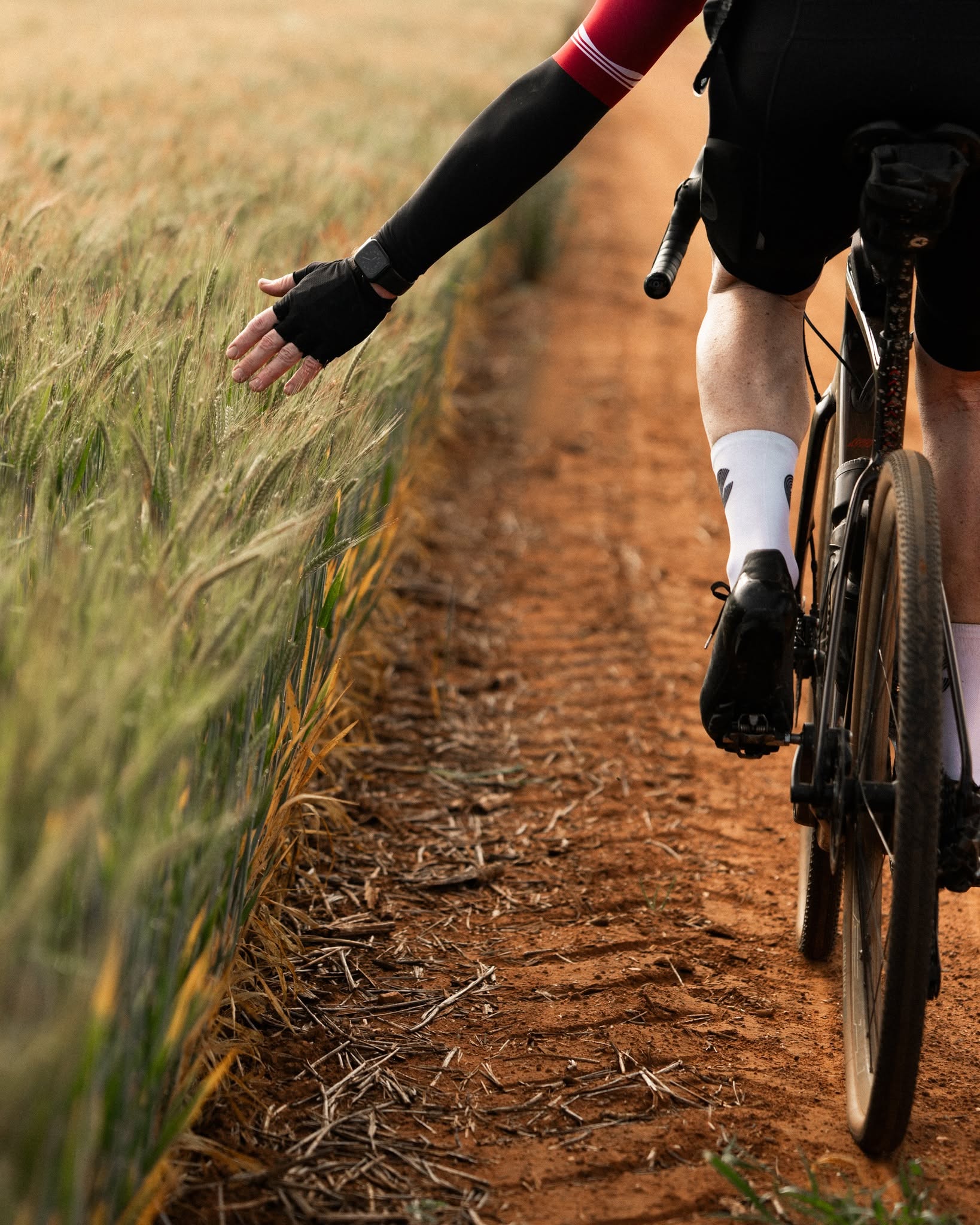
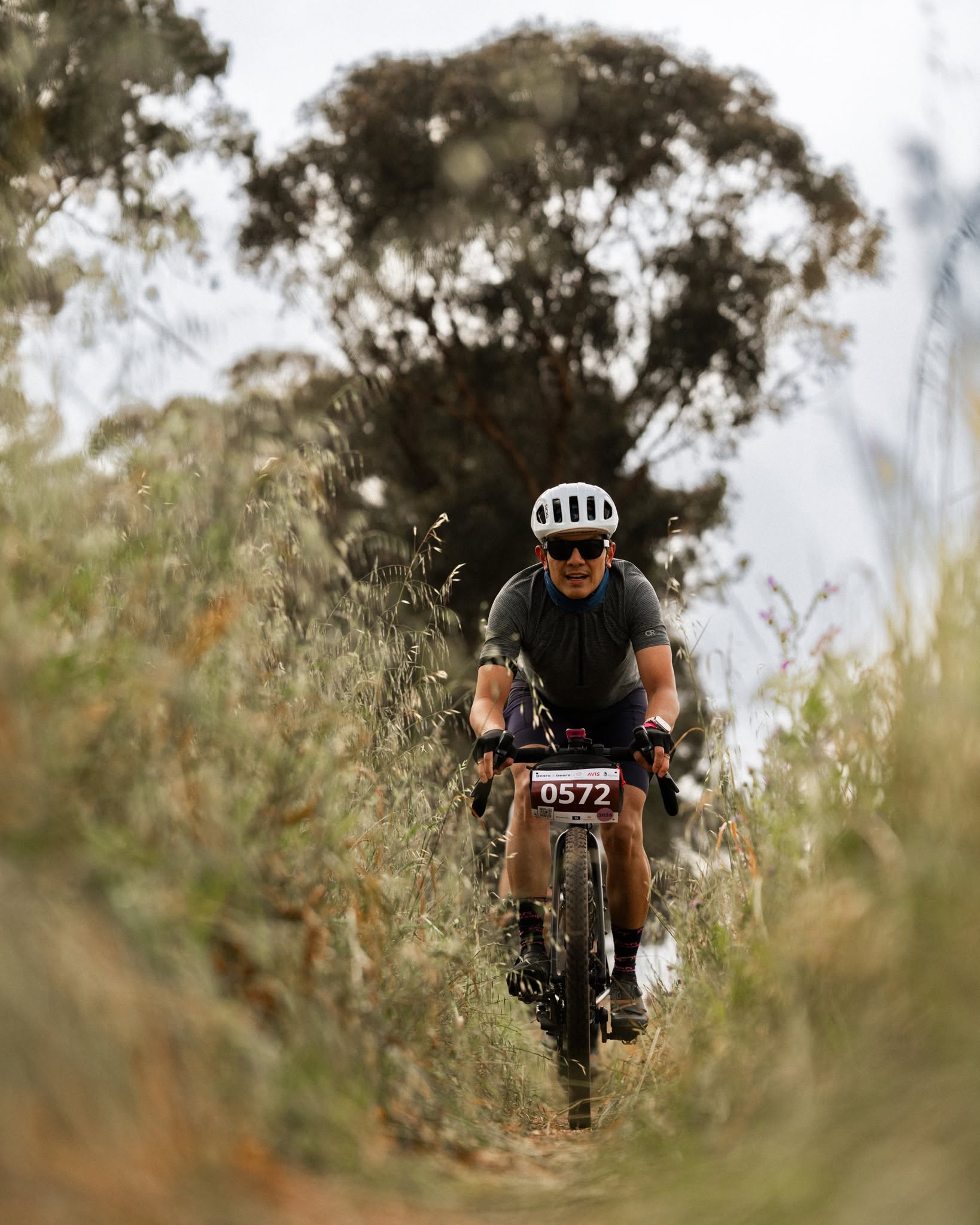
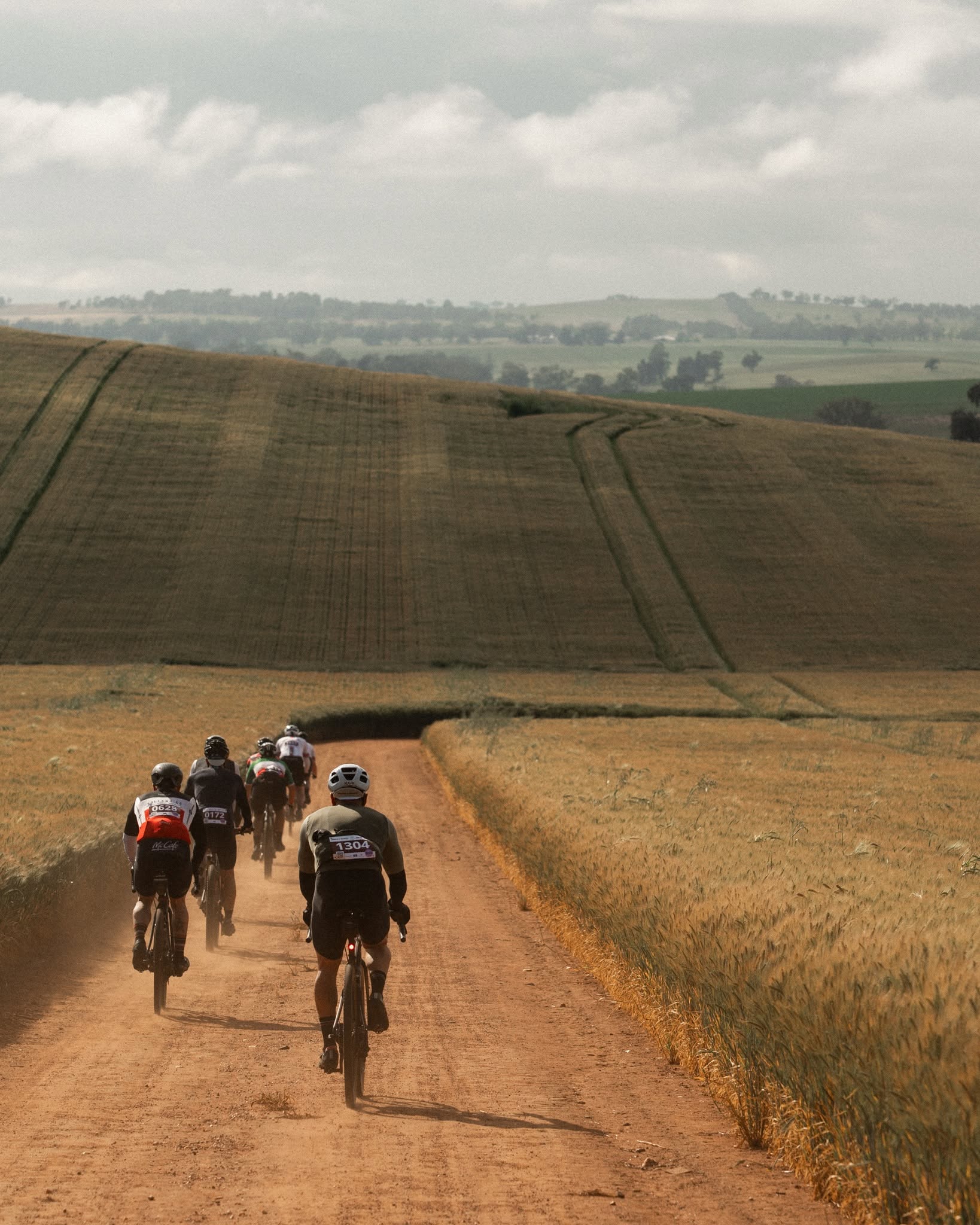
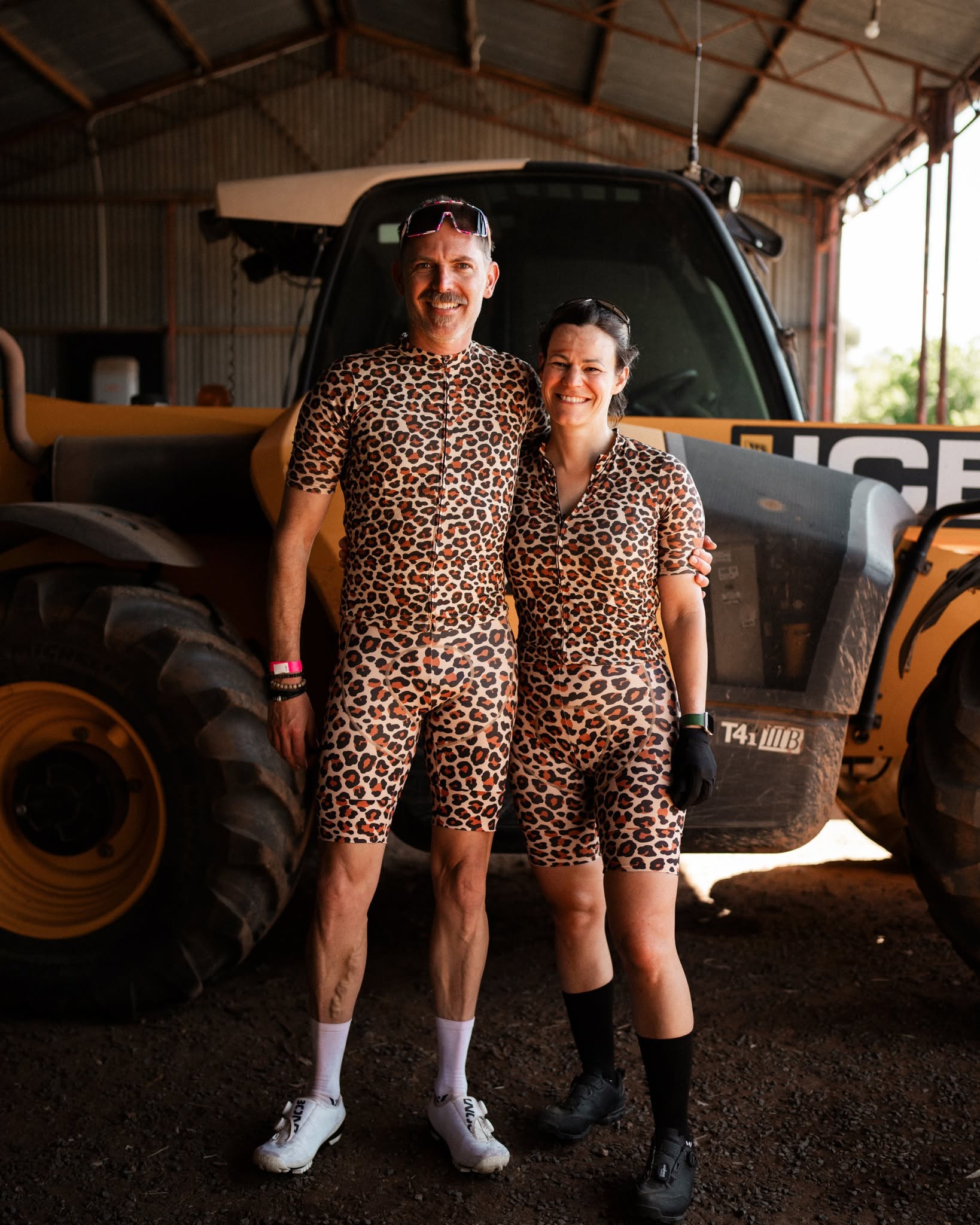
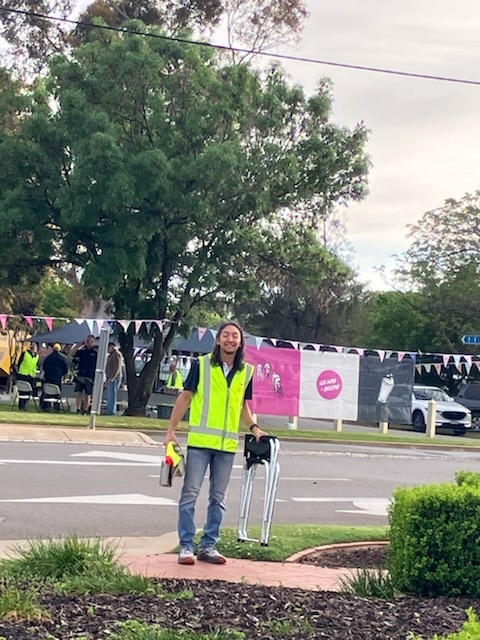
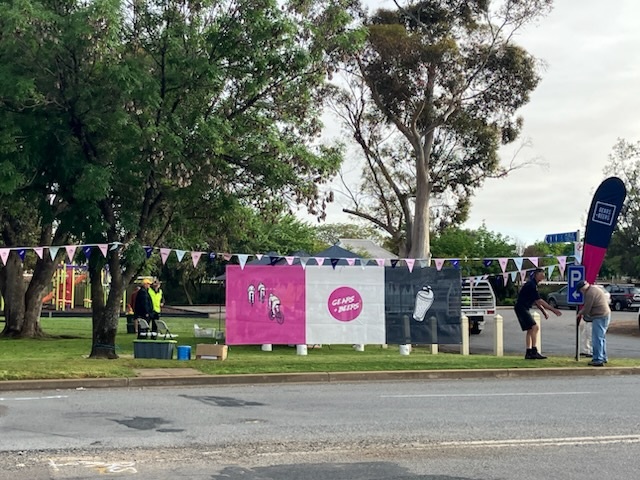
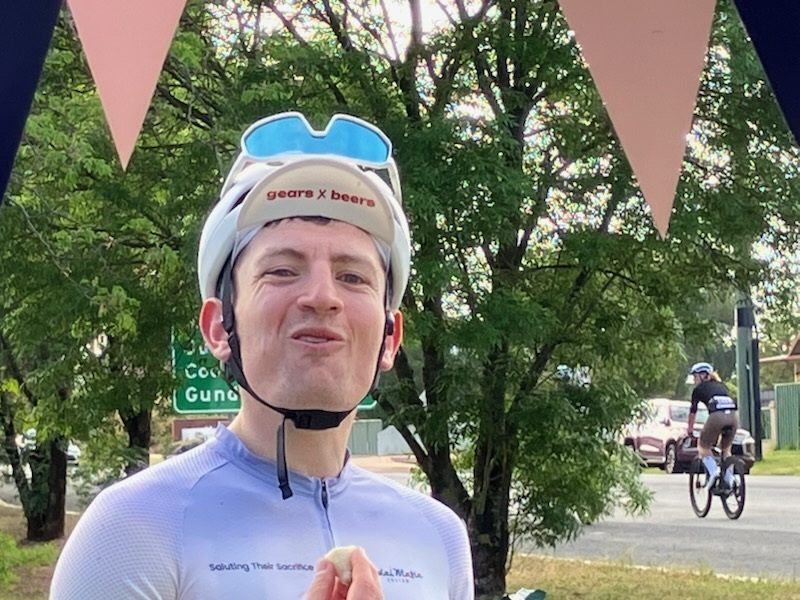
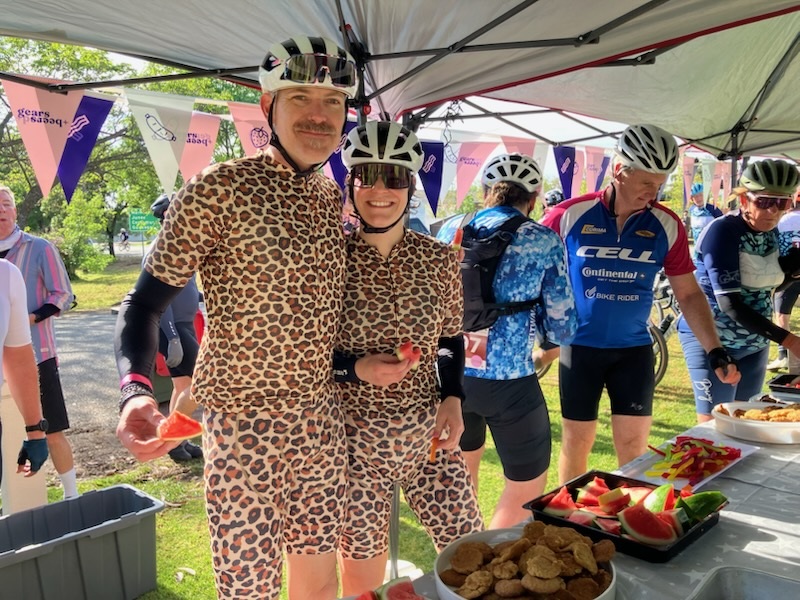
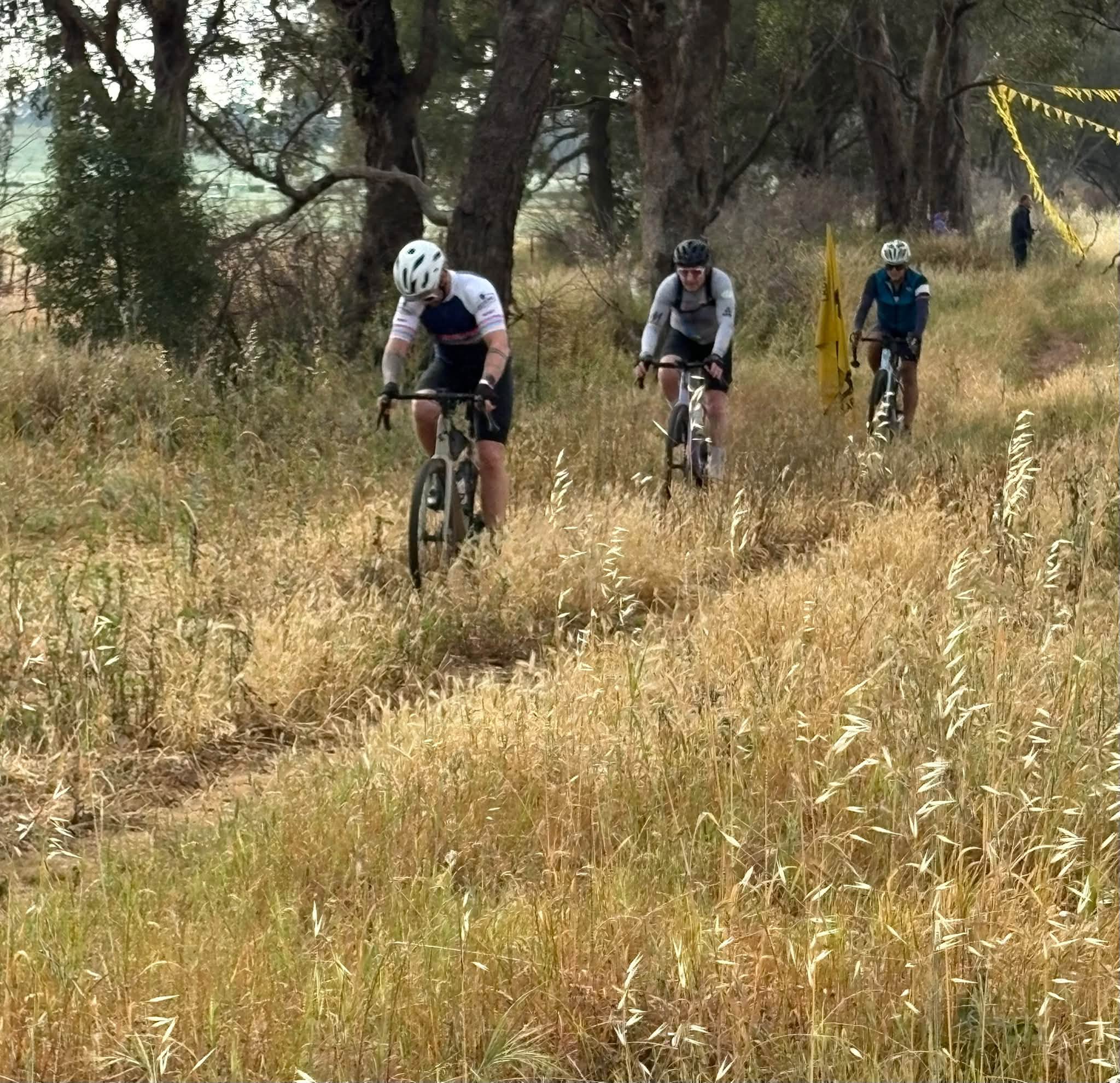
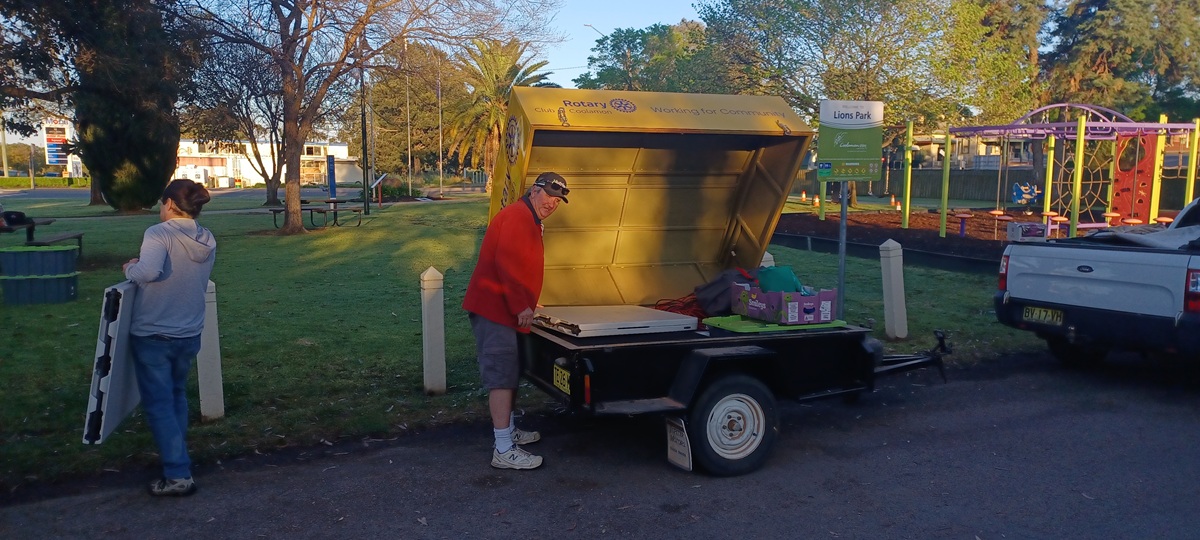
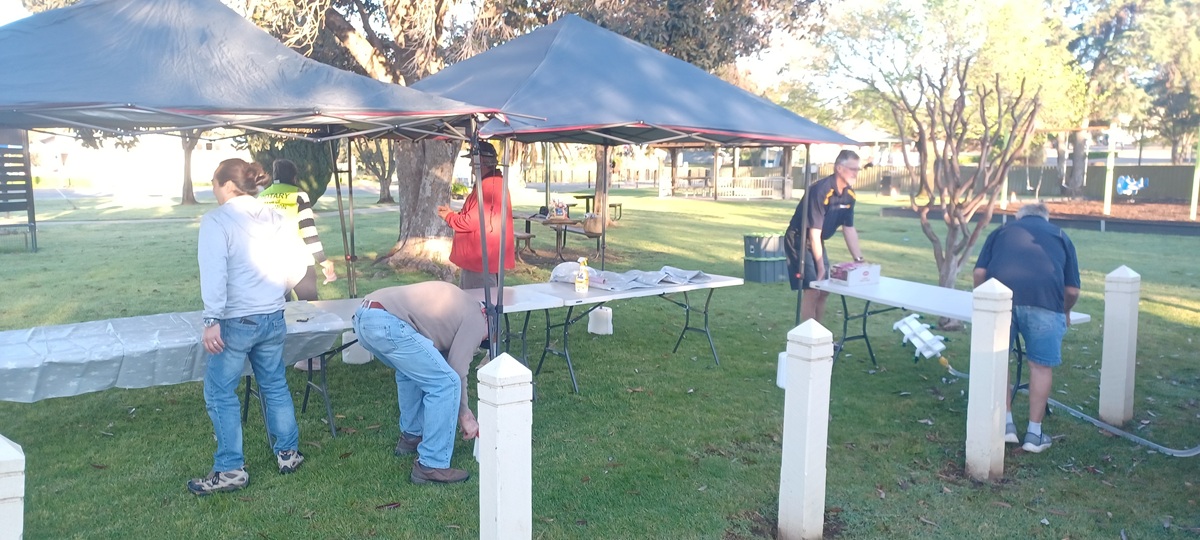
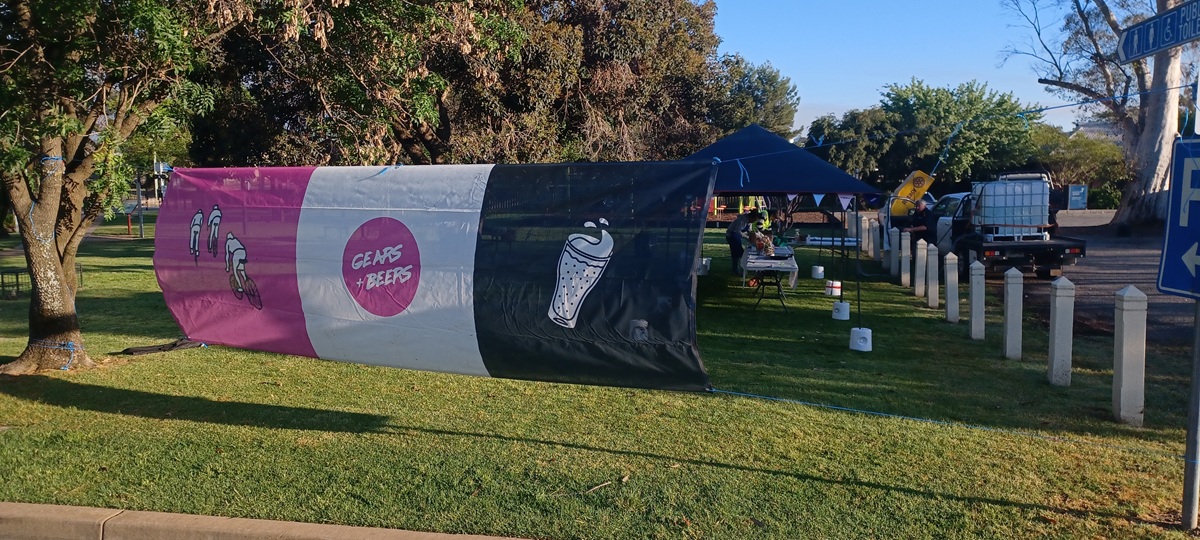
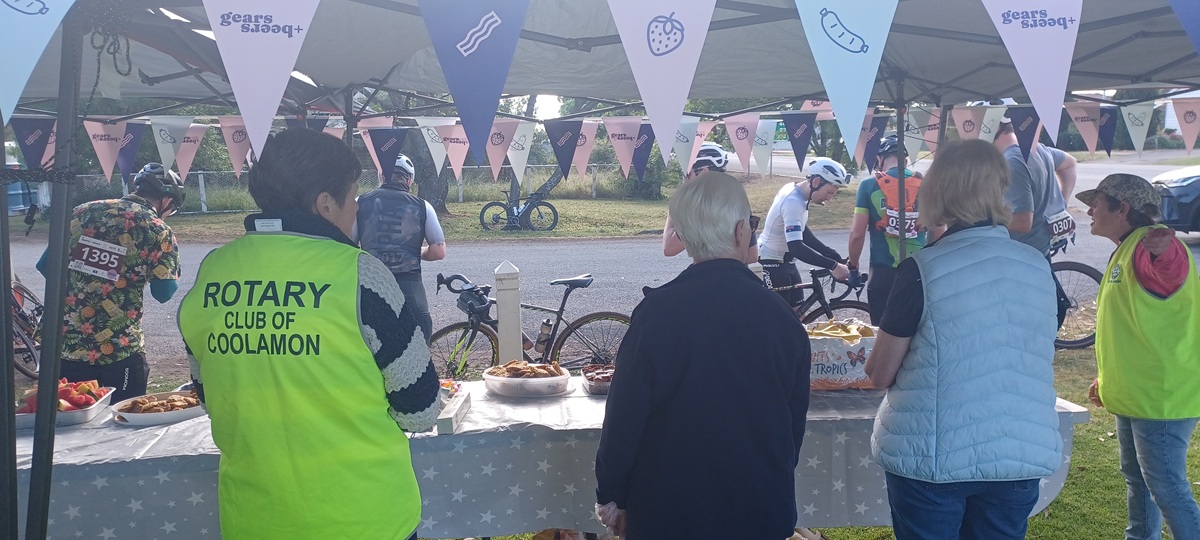
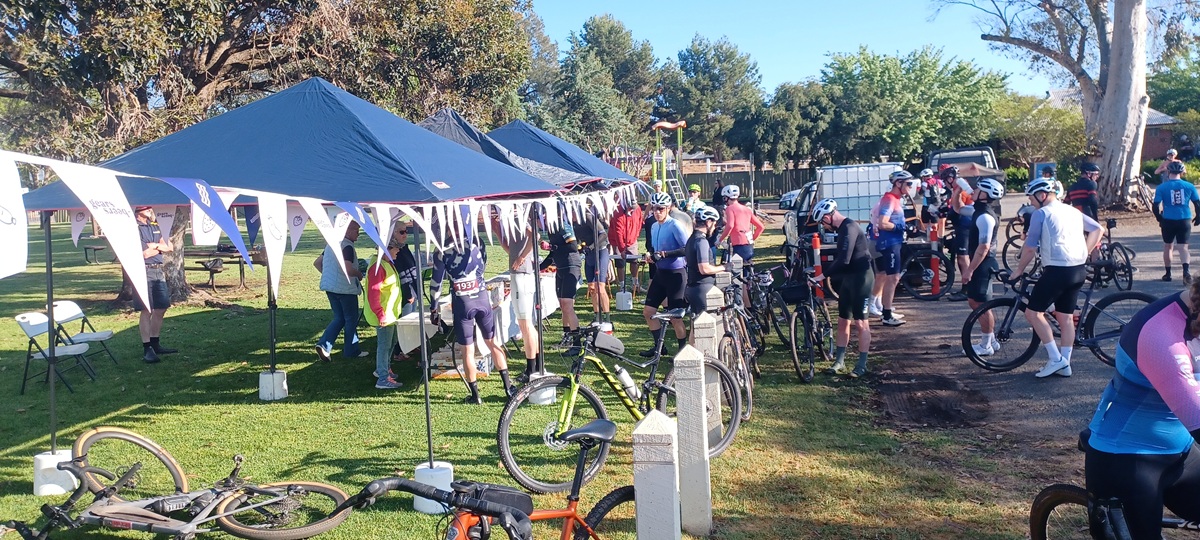
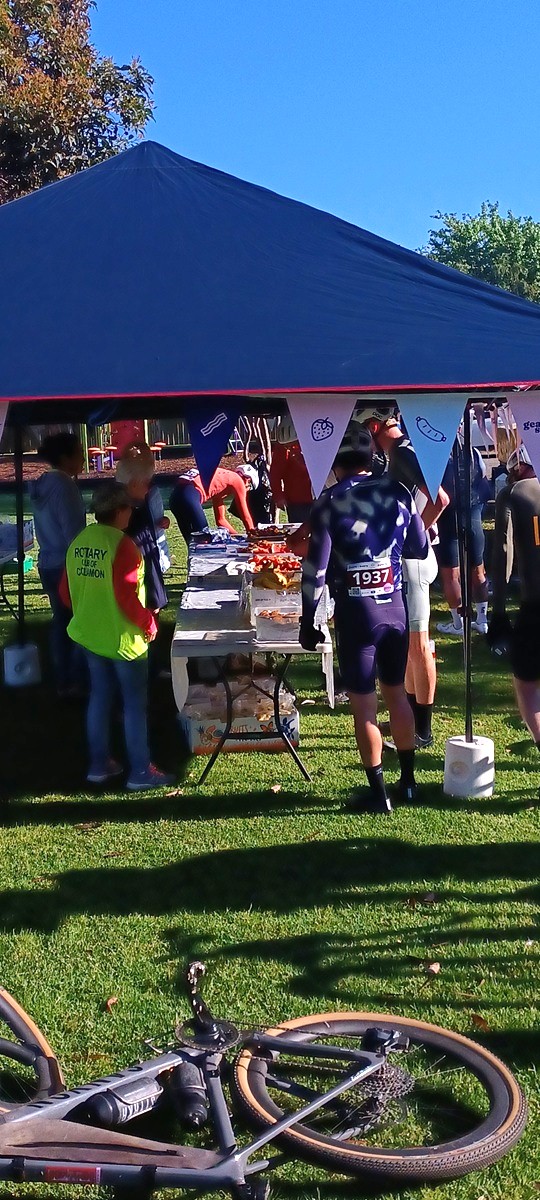
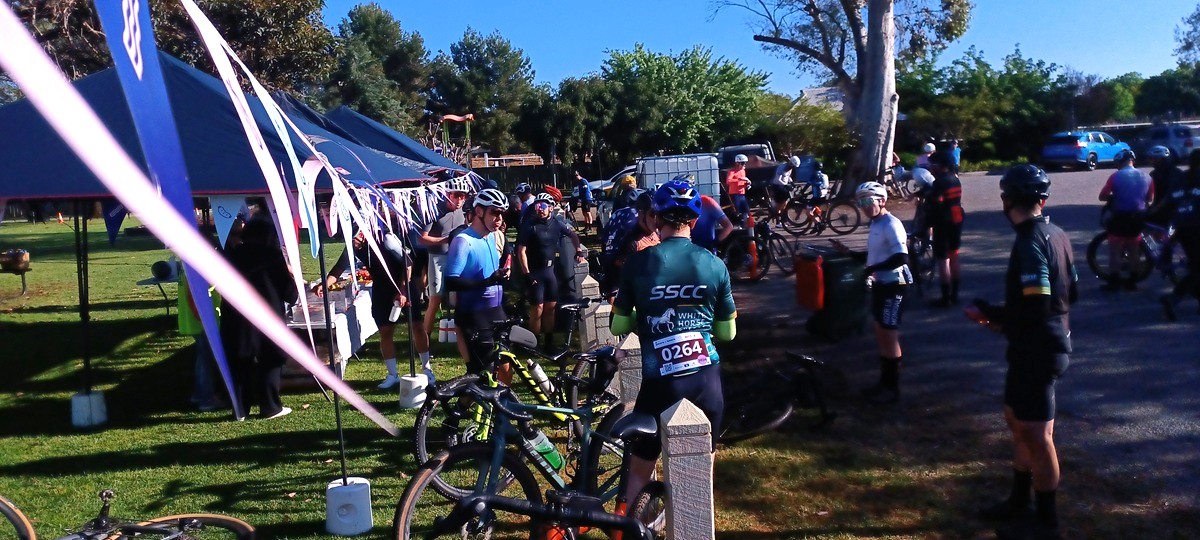
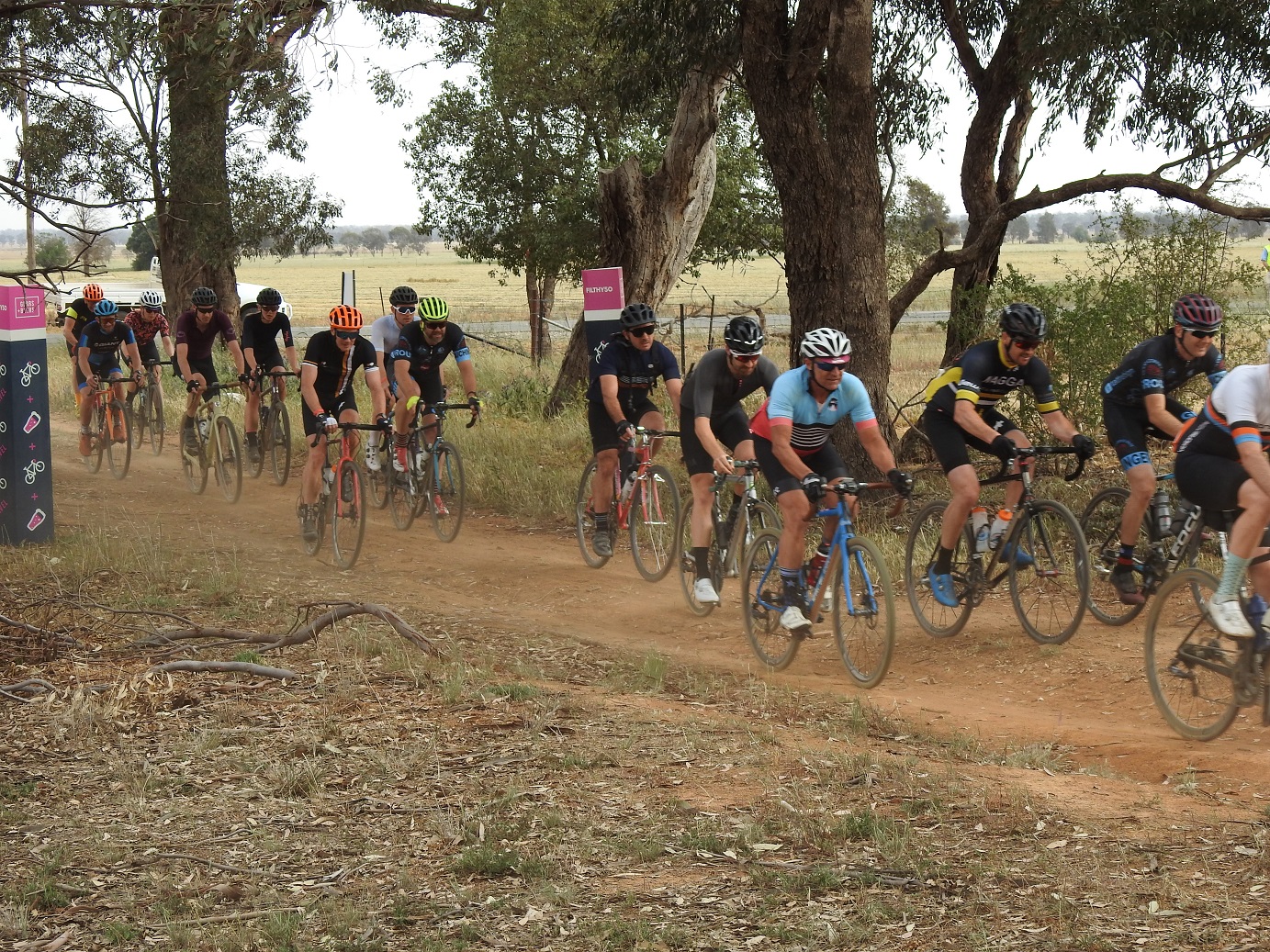
- Daryl confirmed that the Gears & Beers team from Wollundry will be presenting the post mortem on Monday 8th December.
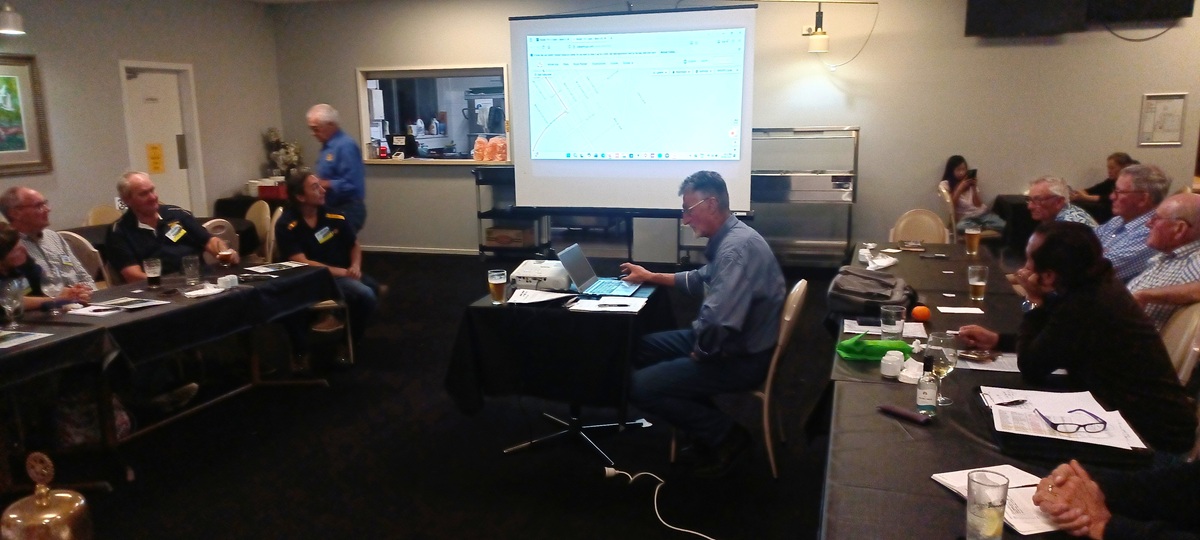
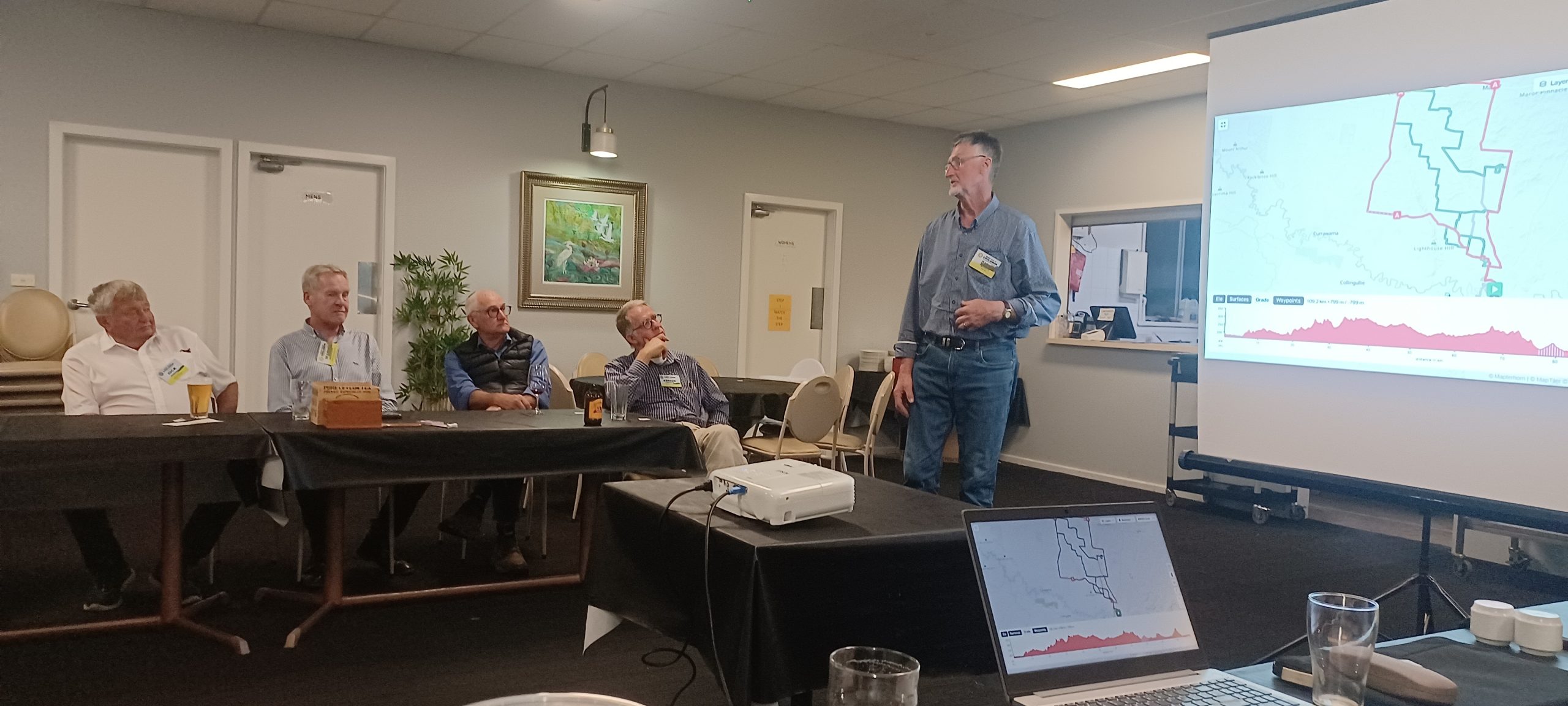
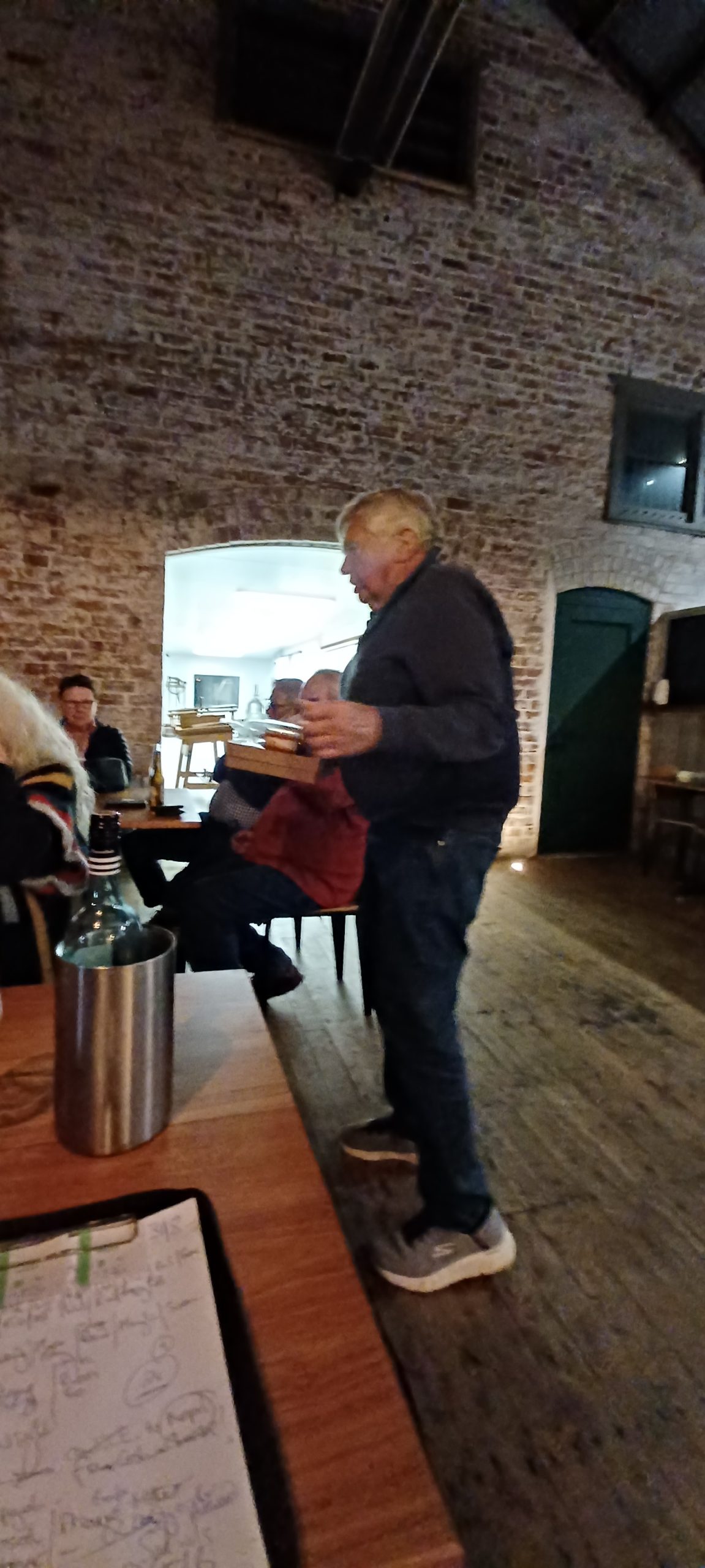
After dinner Dick Jennings introduced our speaker Deidre Tome from Wagga Wagga Sunrise RC and Deidre’s subject was about Cambodia and the work that is being done there to rid Cambodia of the insidious land mines that cause so much death and wounding in Cambodia.
Deidre and Philip were representing Heartbeat and you can see the excellent work that Heartbeat is doing for Cambodia below:
Wagga Wagga Kooringal and our old mate Garth have also been involved in community building on the ground in Cambodia see:
Community Build Cambodia with Heartprint
They built a house with water tanks and toilet for $4,500.
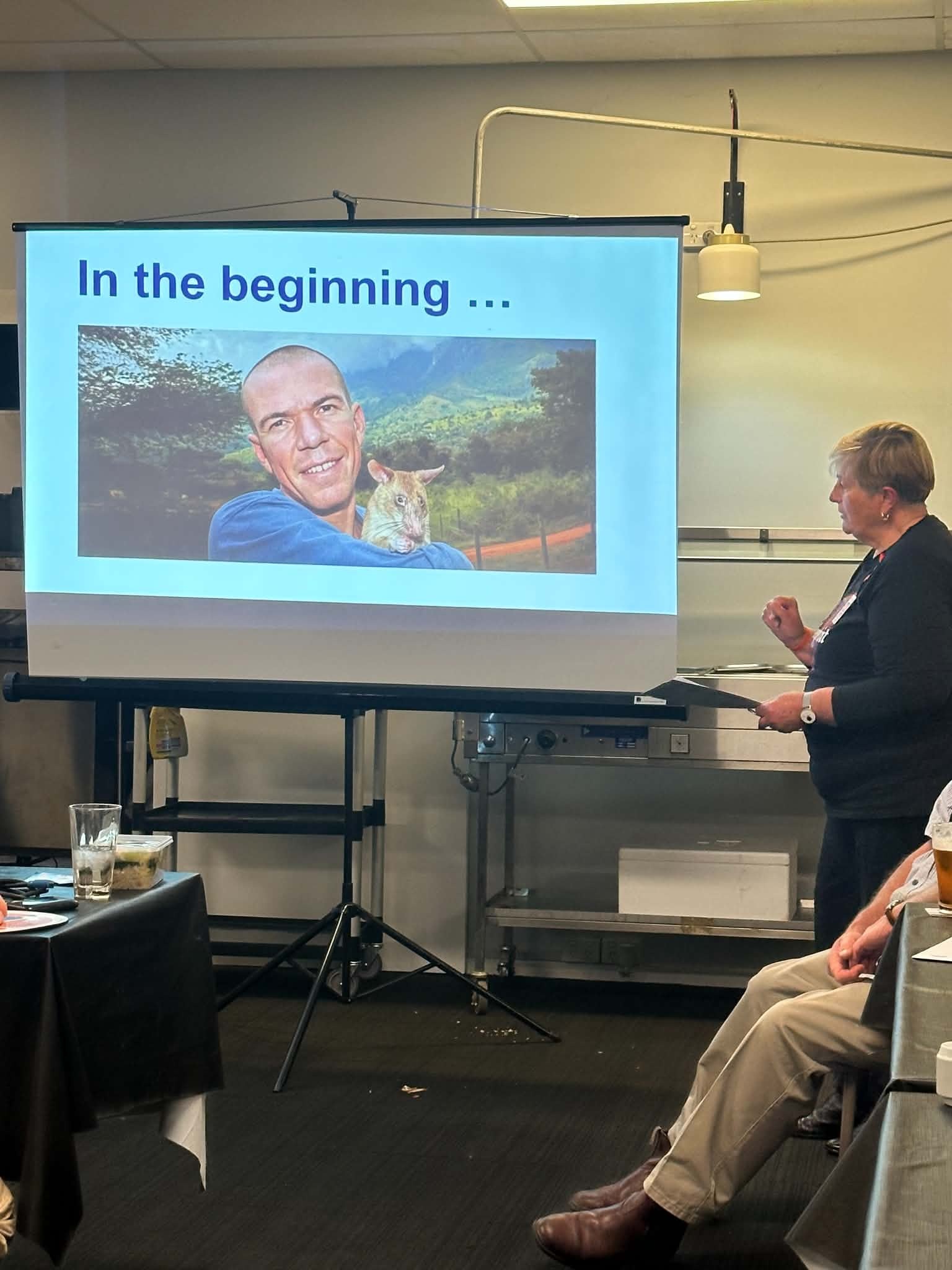
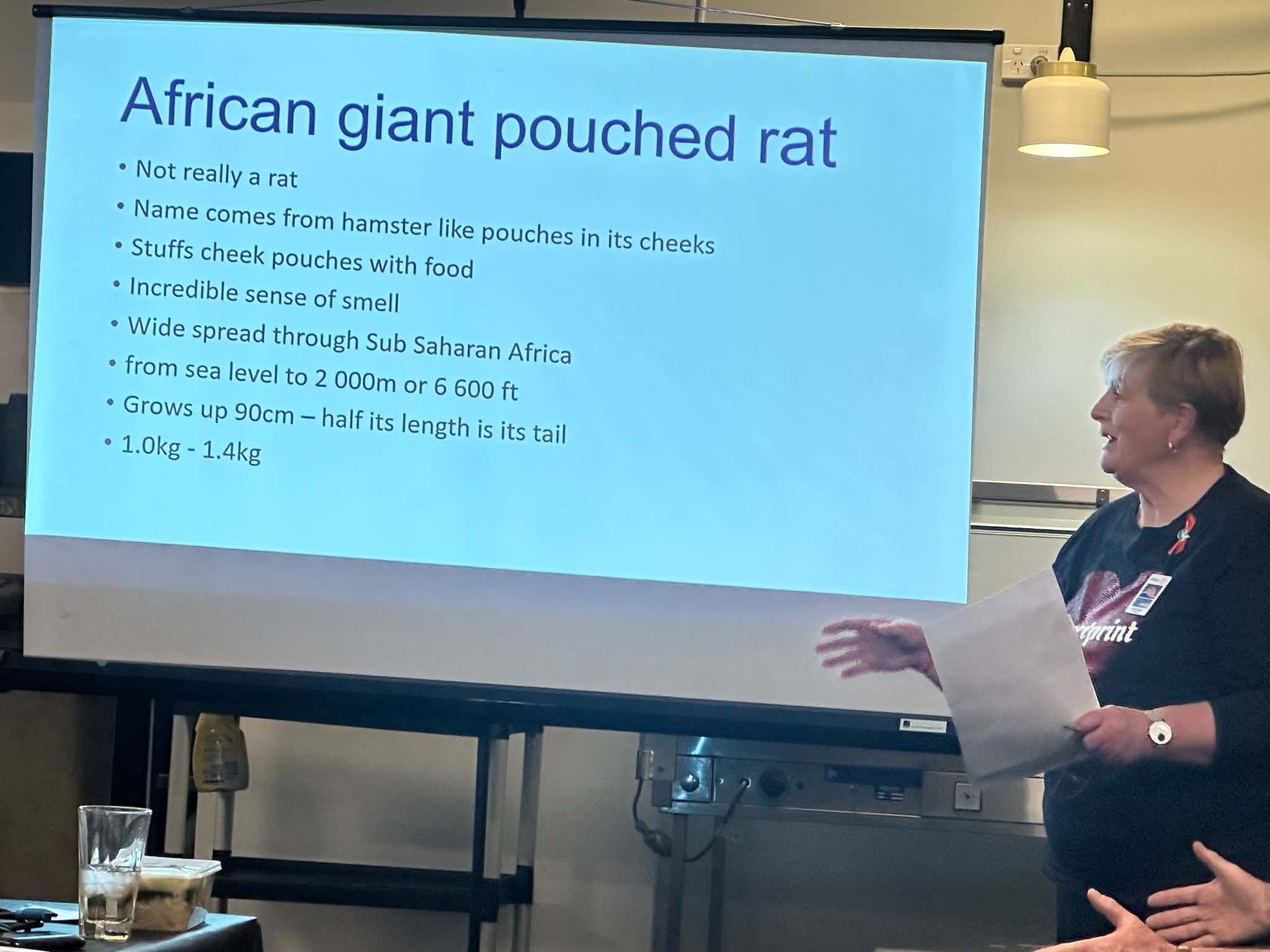
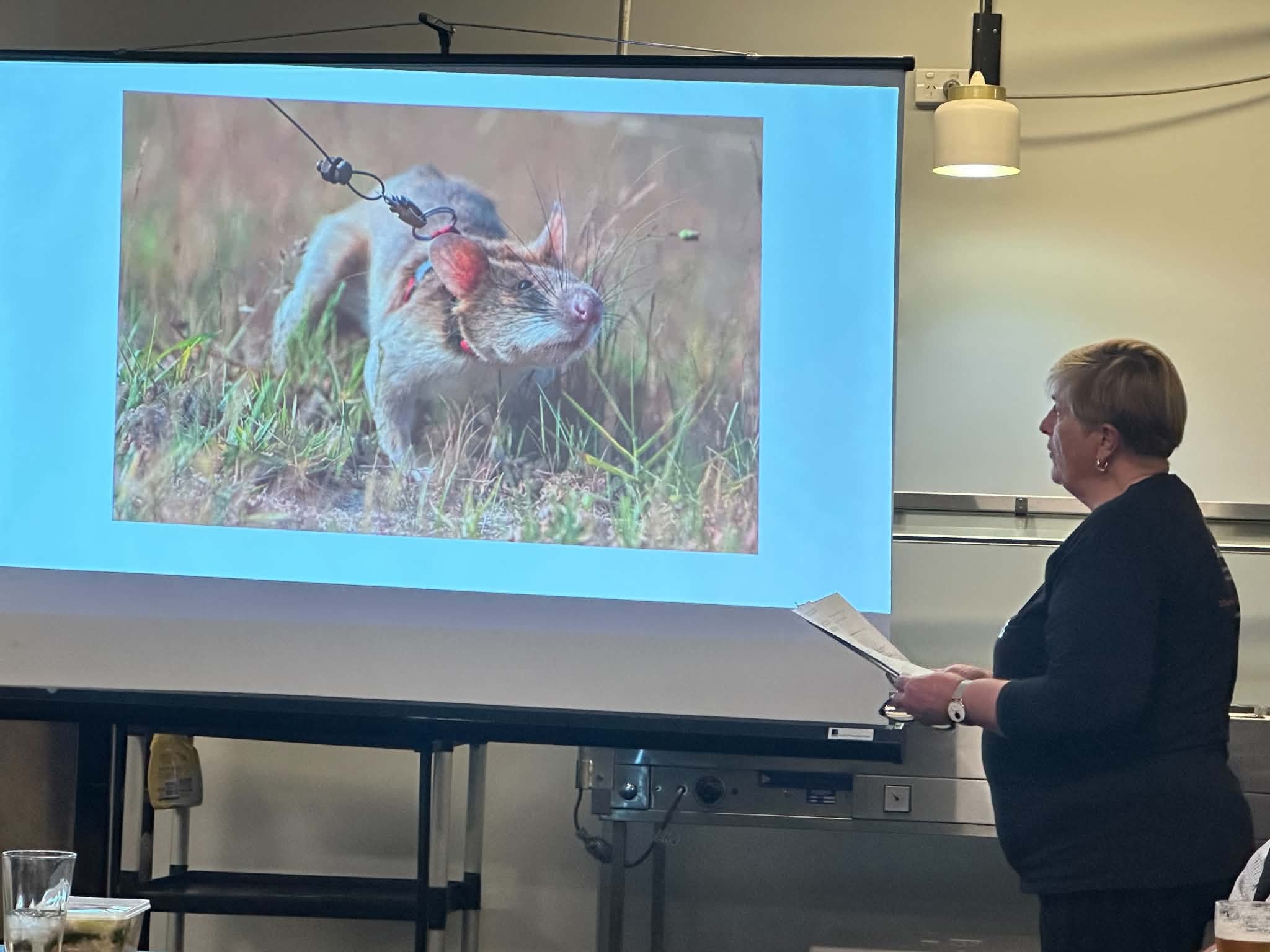
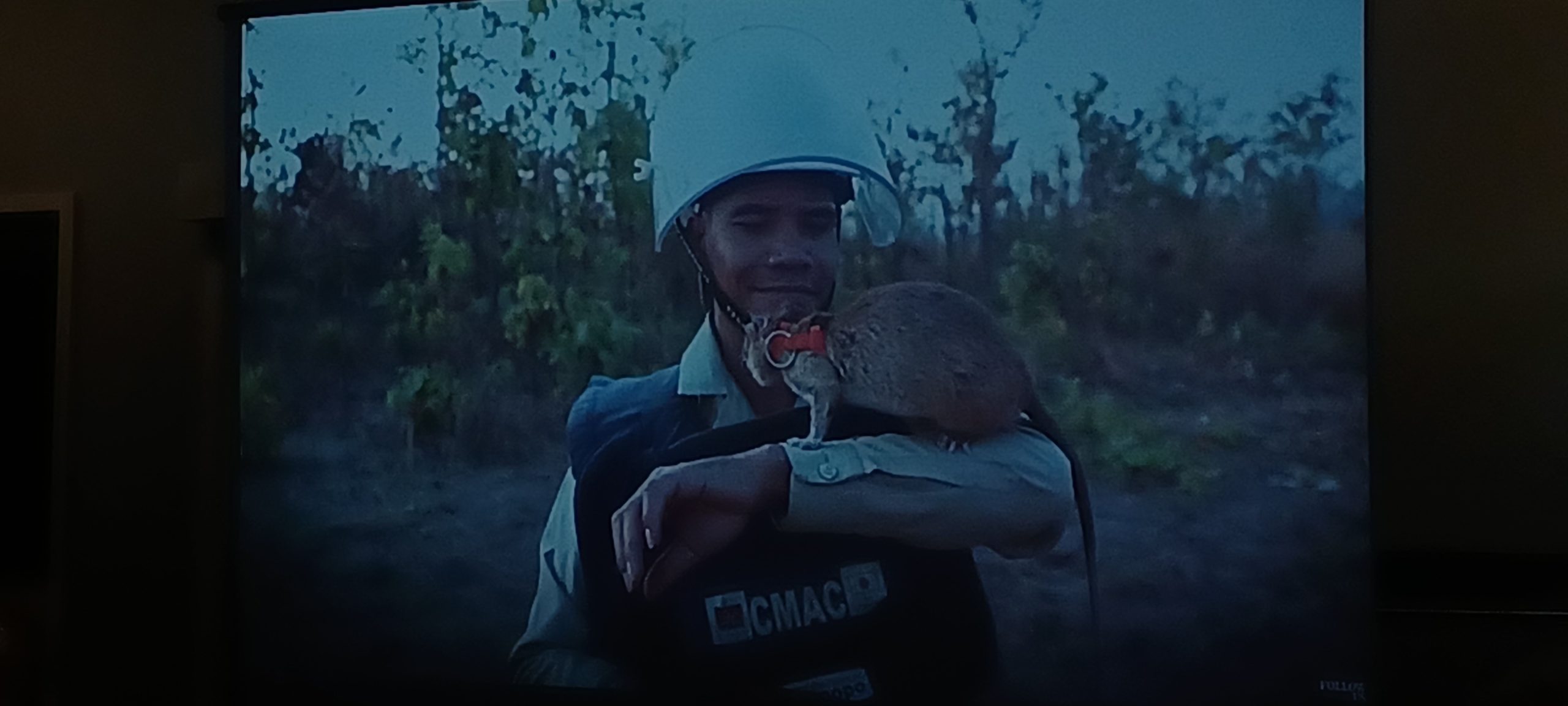
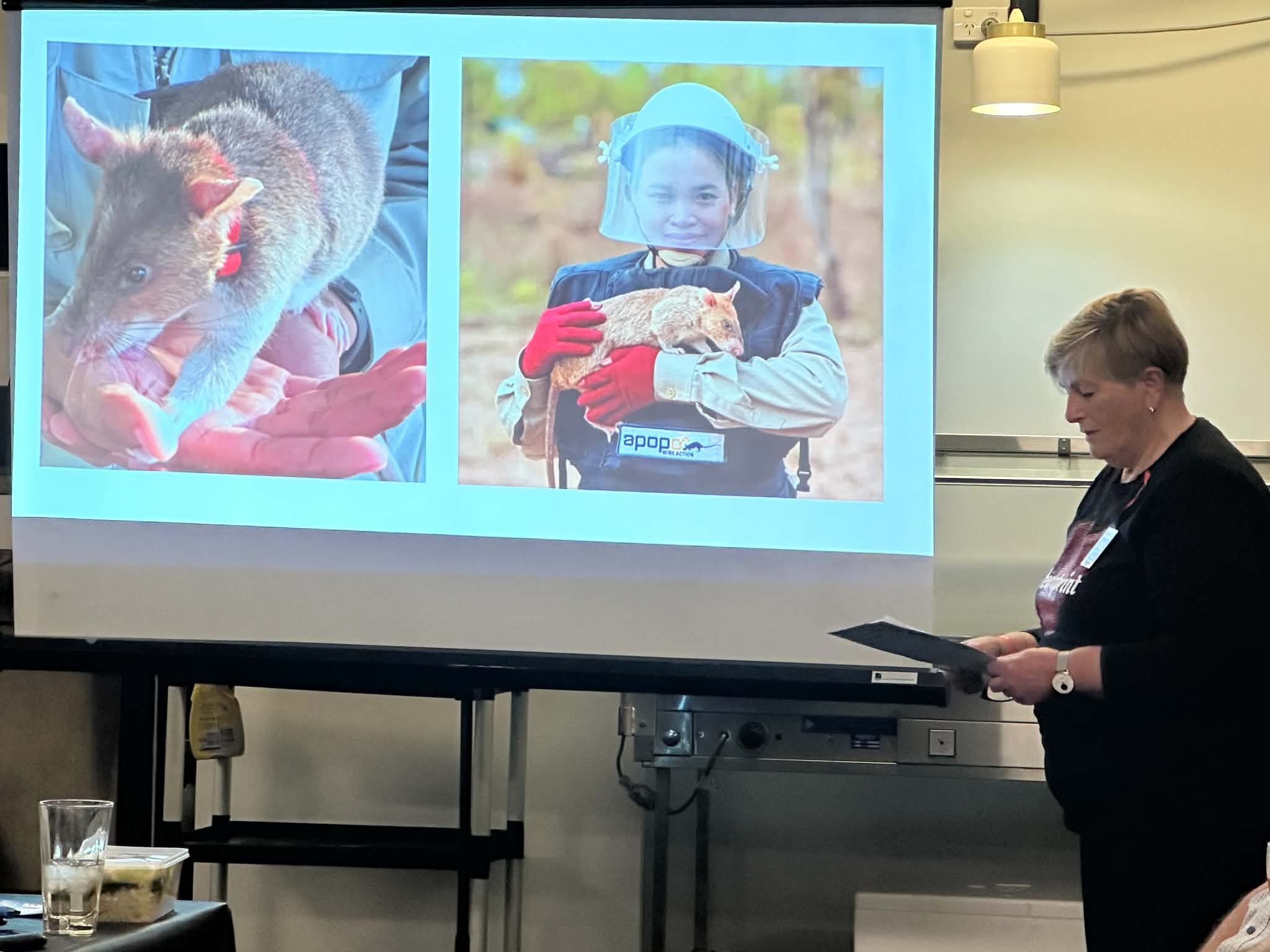
The story that attracted the most interest was the RATS project to seek land mines left after the war in Cambodia with Vietnam. Which is still killing people today.
This is a project run by APOPO which use Landmine Rats also known as HeroRATs! If you’re looking for cool things to do in Siem Reap, why not stop by the APOPO Visitor Center and take a unique guided tour? Take an hour to visit the APOPO Visitor Center which is conveniently just a quick 10-minute tuk-tuk ride from downtown. Here, you’ll discover how we train African Giant Pouched Rats (they are much cuter than they sound and super smart, too!) to detect landmines and unexploded ordnance in Cambodia and beyond, playing a vital role in clearing these dangers. See our rats in action, learn about Cambodia’s recent history, and even hold a rat yourself!
These HeroRATs are also being used for TB detection and even carrying small video cameras to seek people buried in buildings after an earthquake.
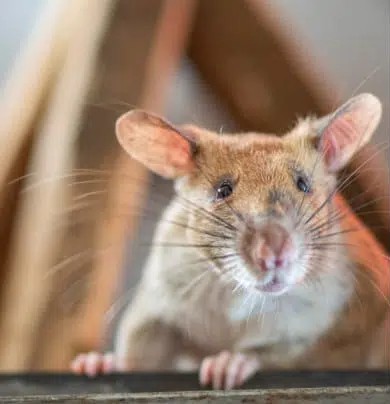 Above Imelda can be adopted.
There was so much information from Dierdre’s presentation, far too much to document here, however by clicking on the links in this story you will get the full picture.
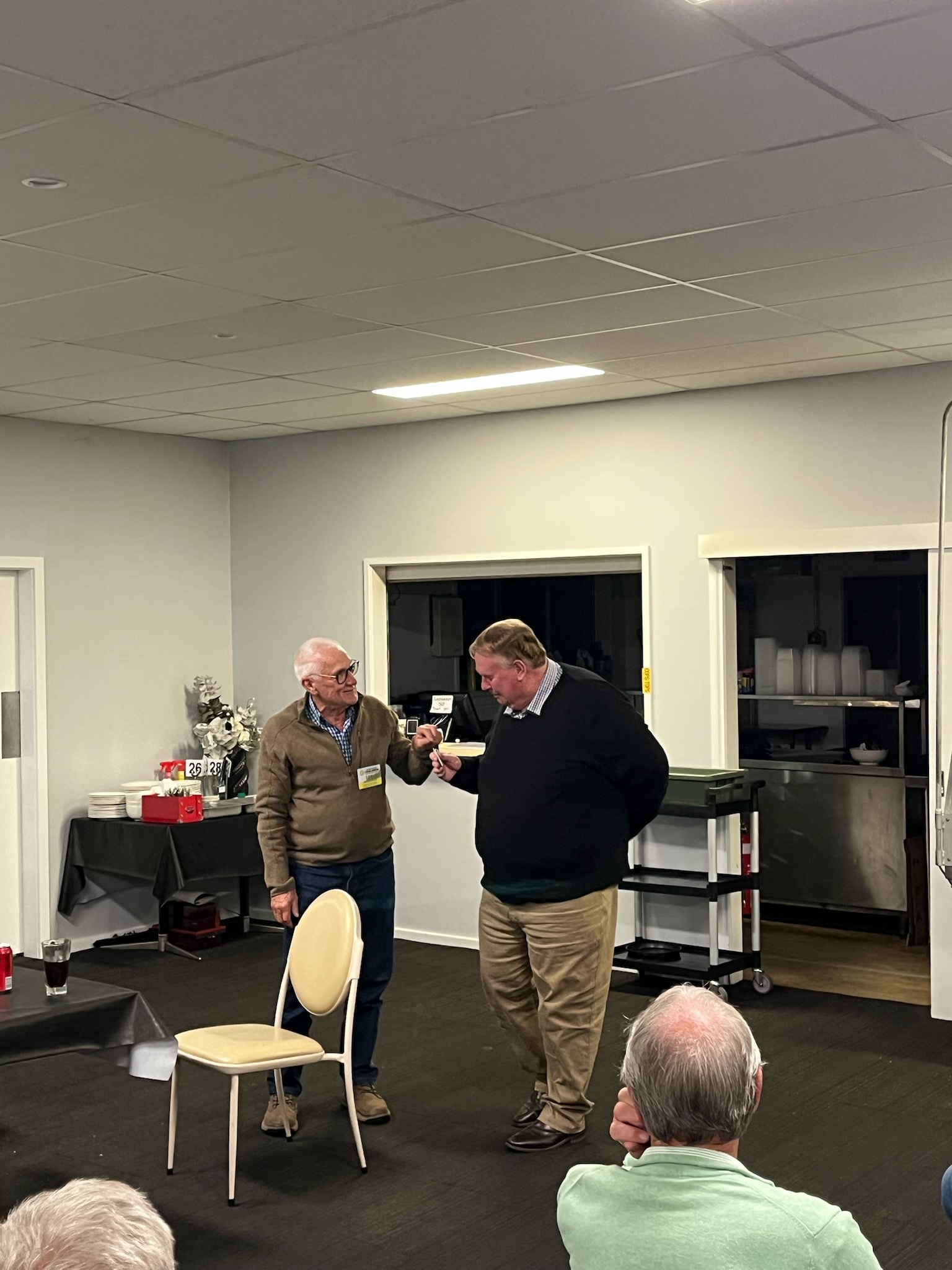
PP Garth gave Deidre a heartfelt vote of thanks on behalf of all present:
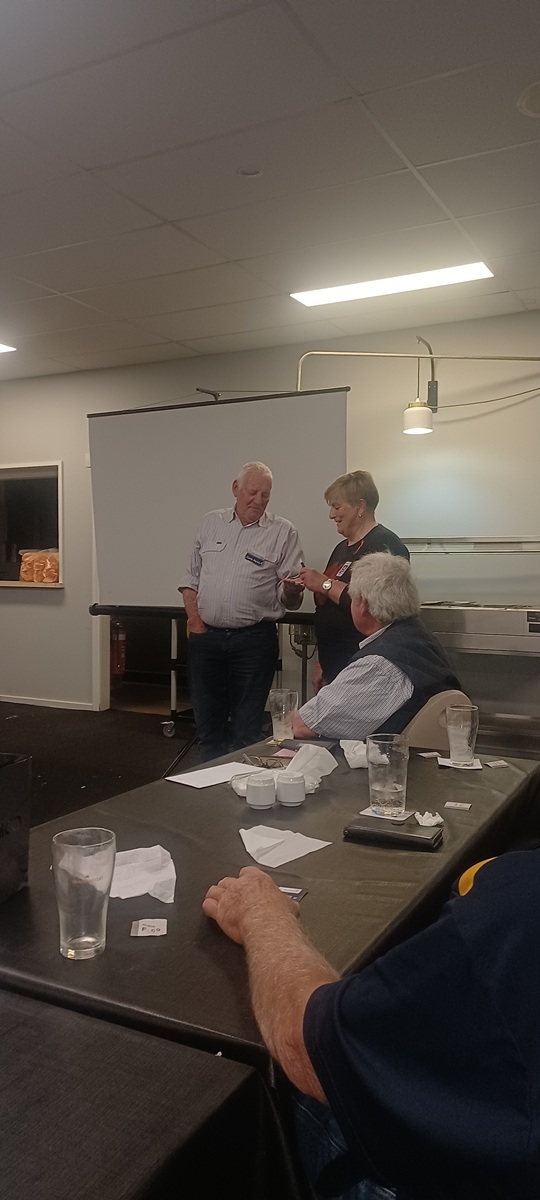
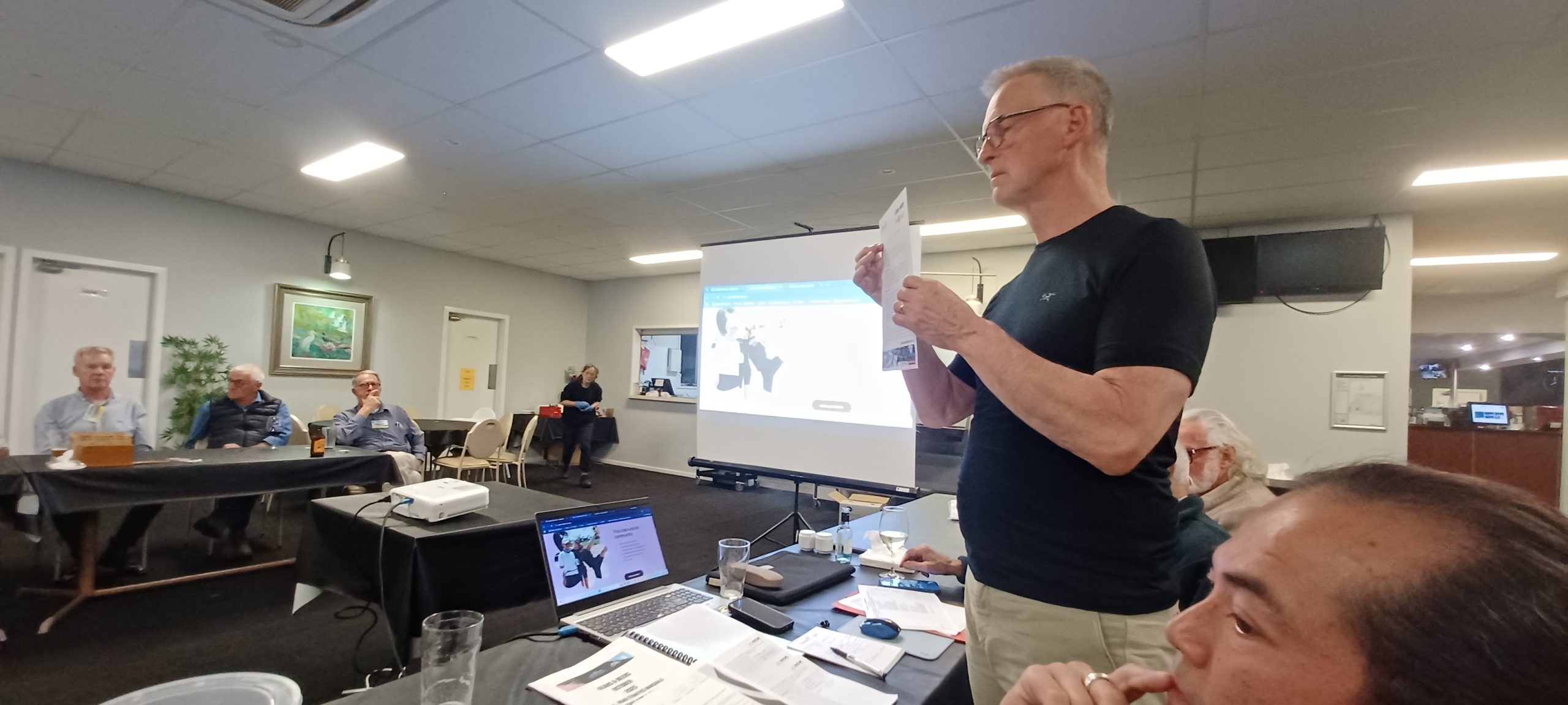
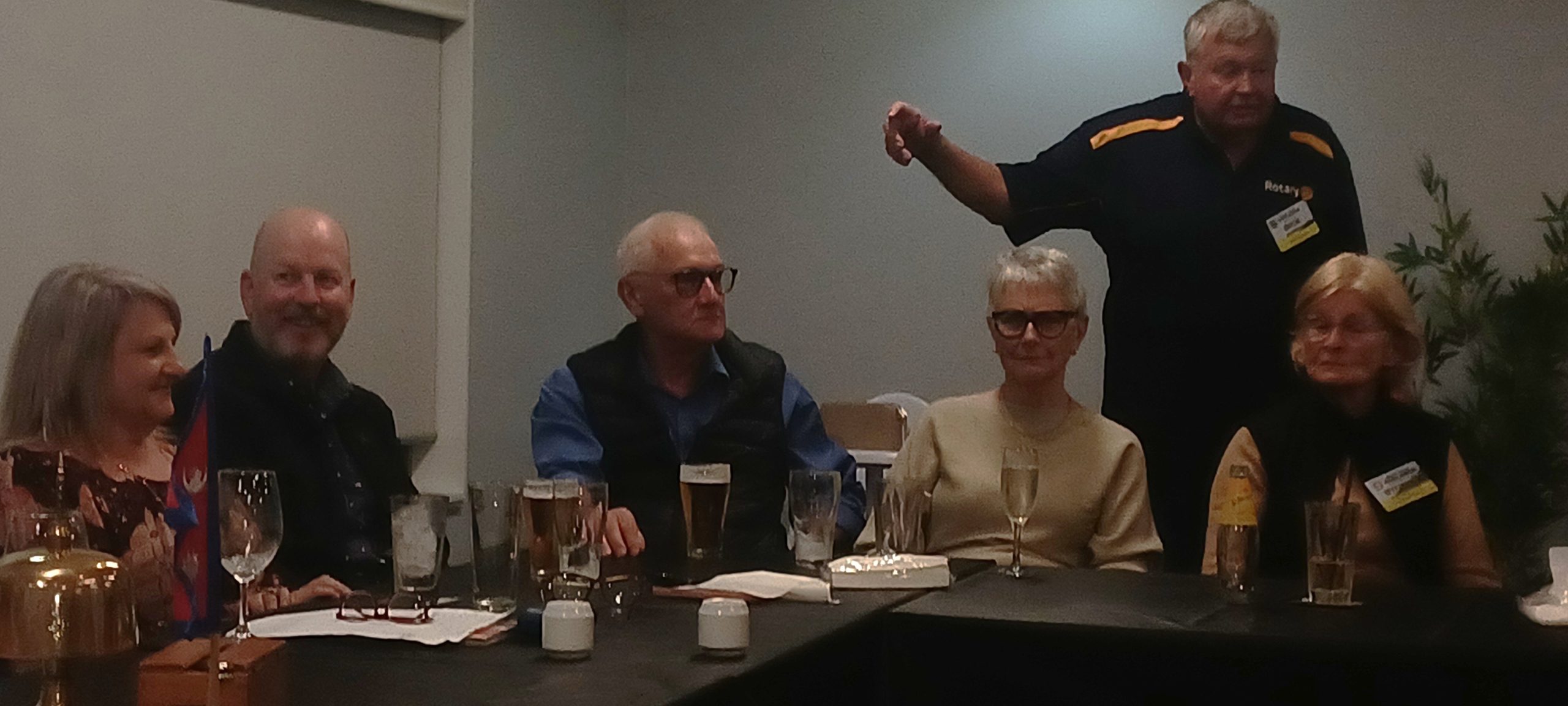
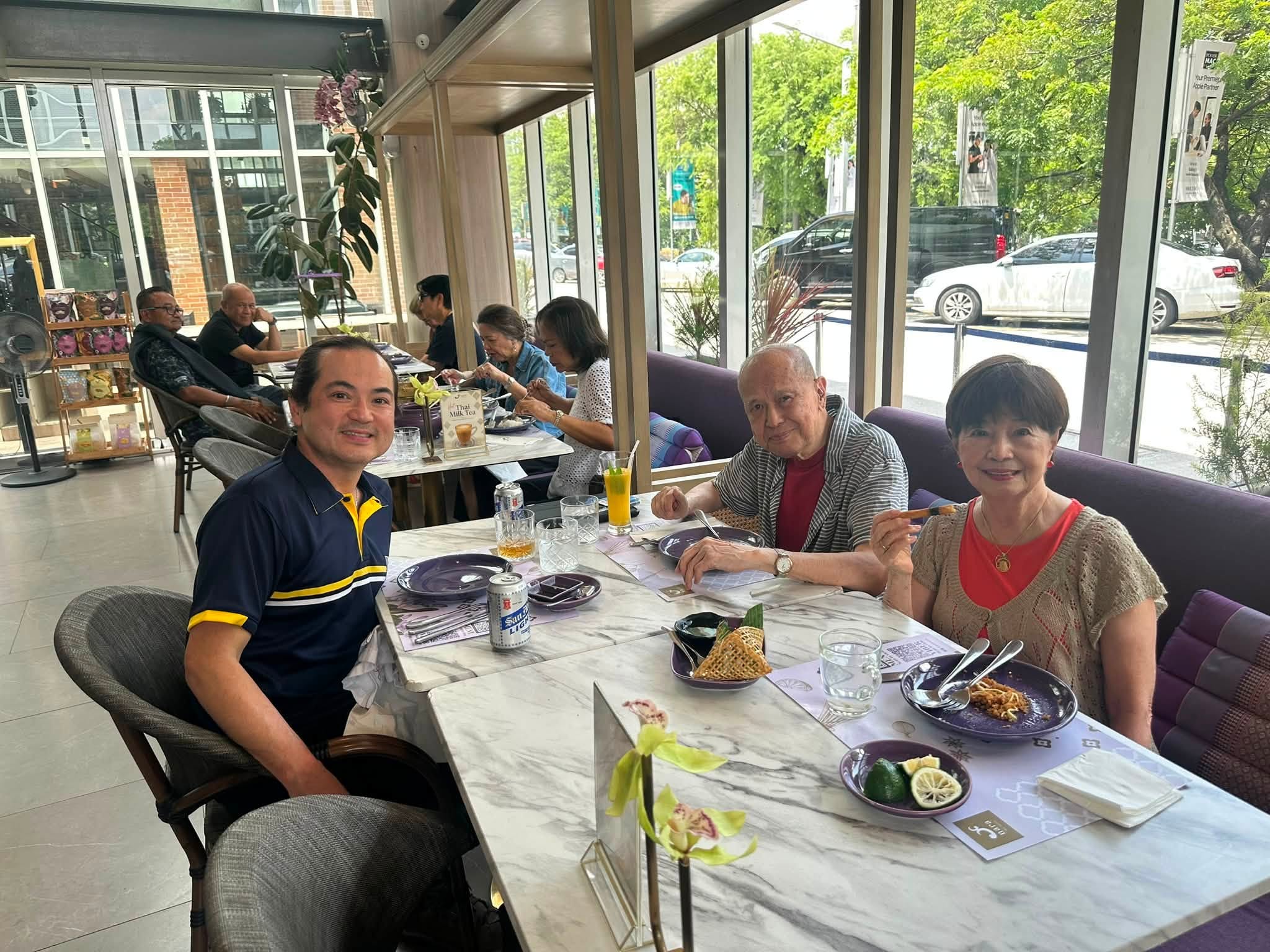
Some photos below thanks to Michael Trinidad.
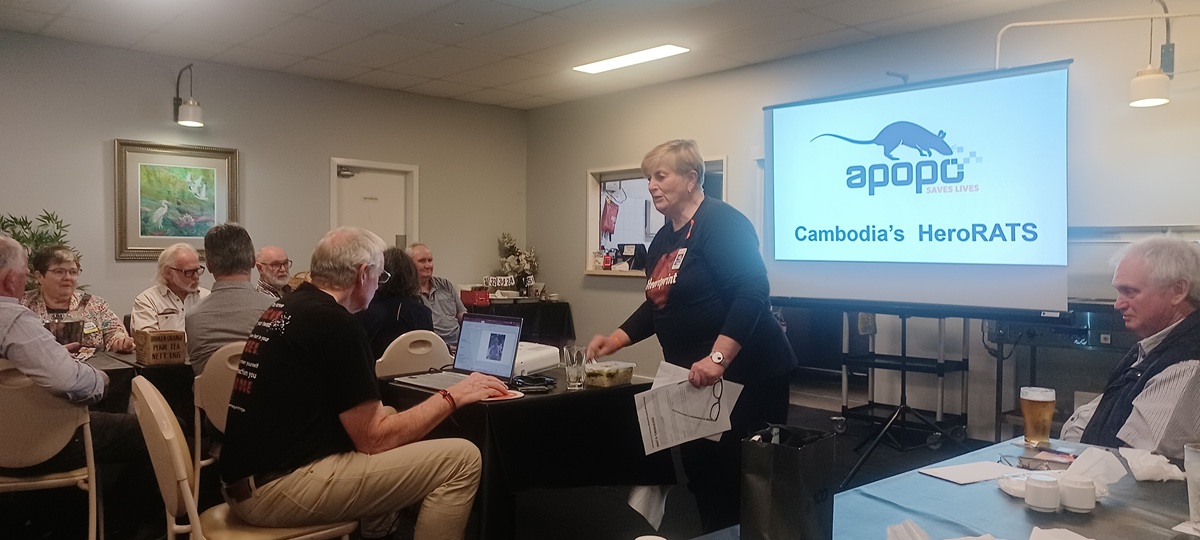
After Deirdre’s presentation S@A Daryl had the raffle draw and prizes went to:
Howard, Lexi, Mary, Daryl, Anne and Grahame.
The meeting closed at 9.10pm.
OUT AND ABOUT WAGGA WAGGA NETBALL
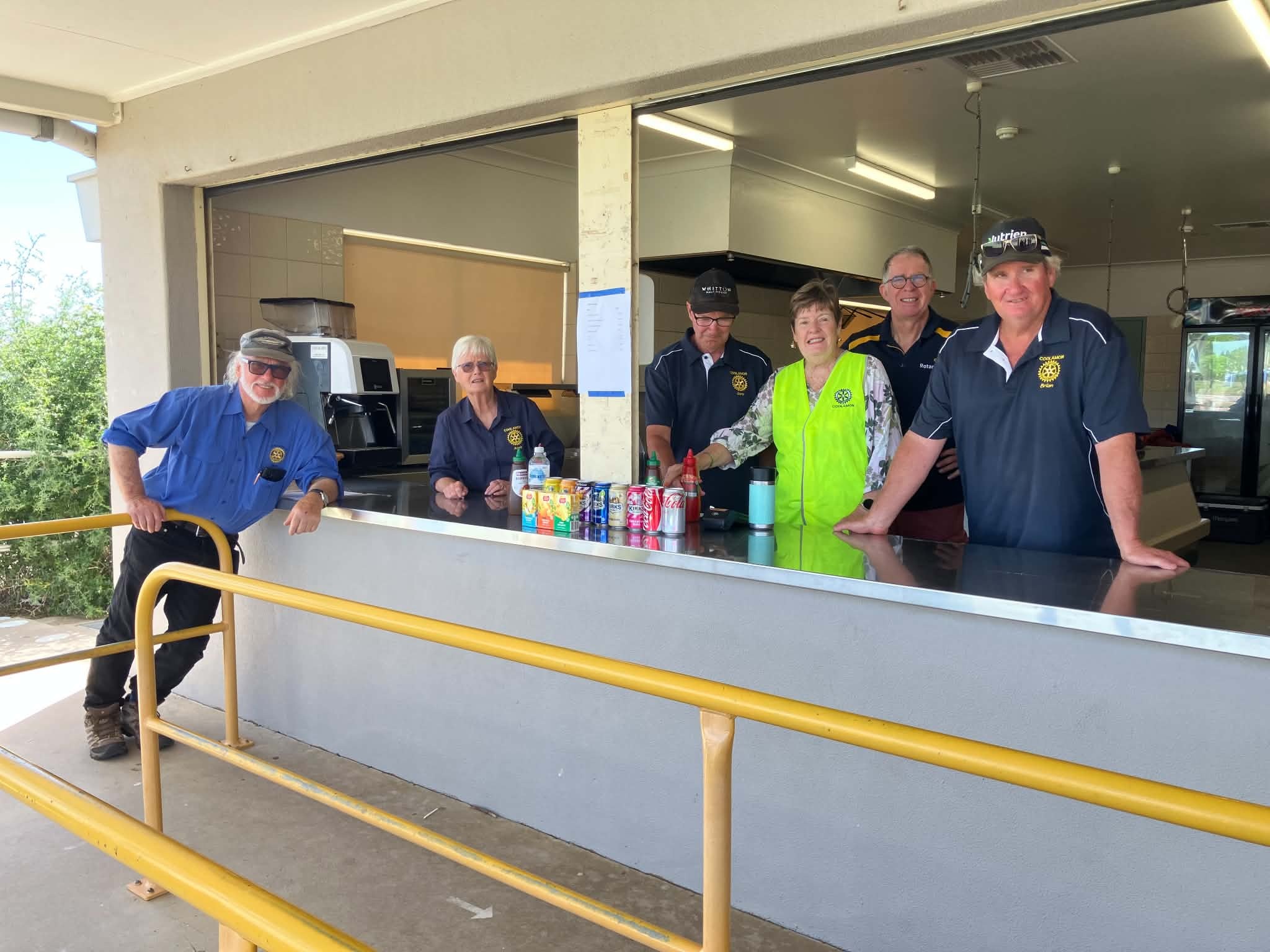
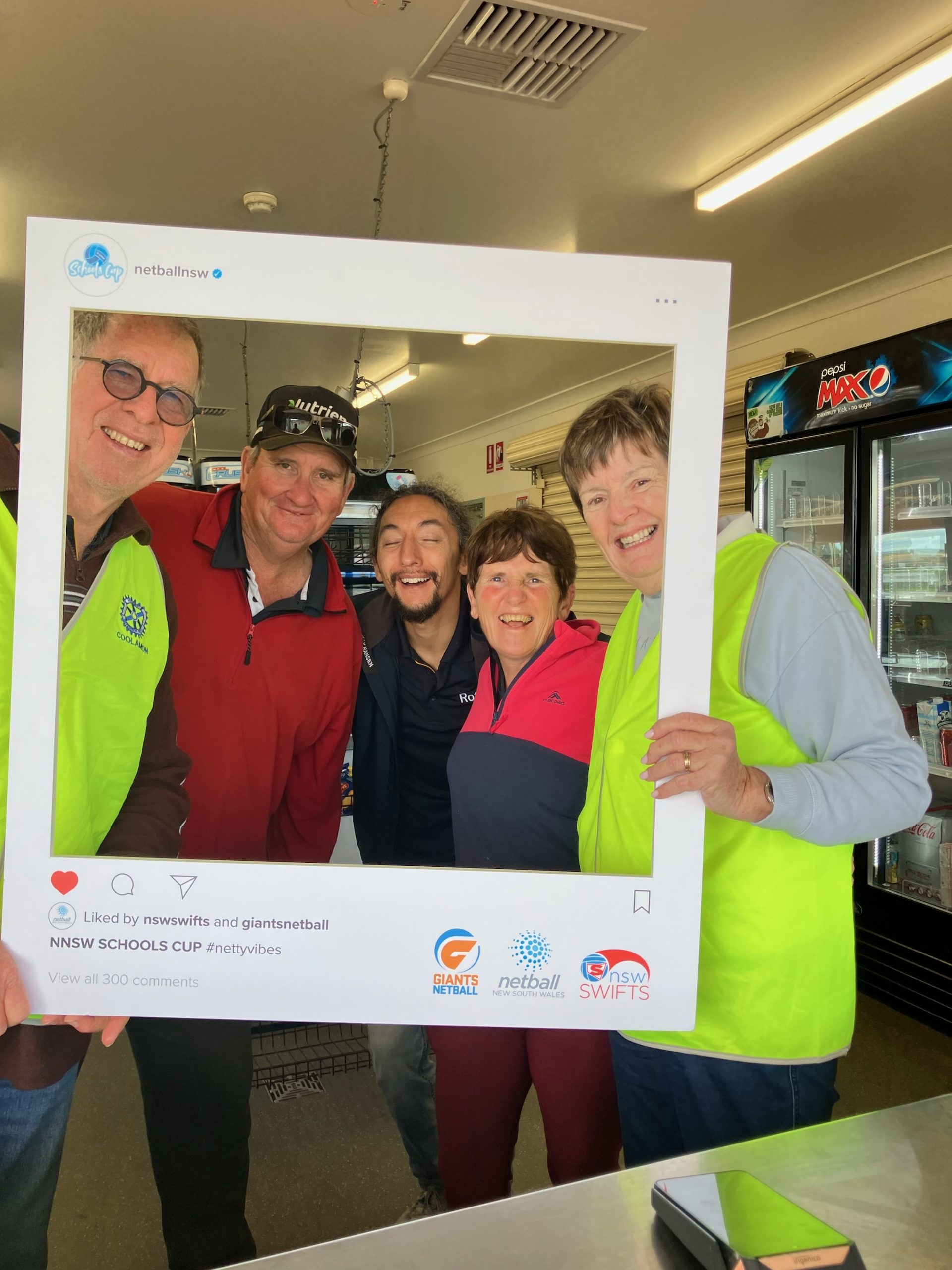
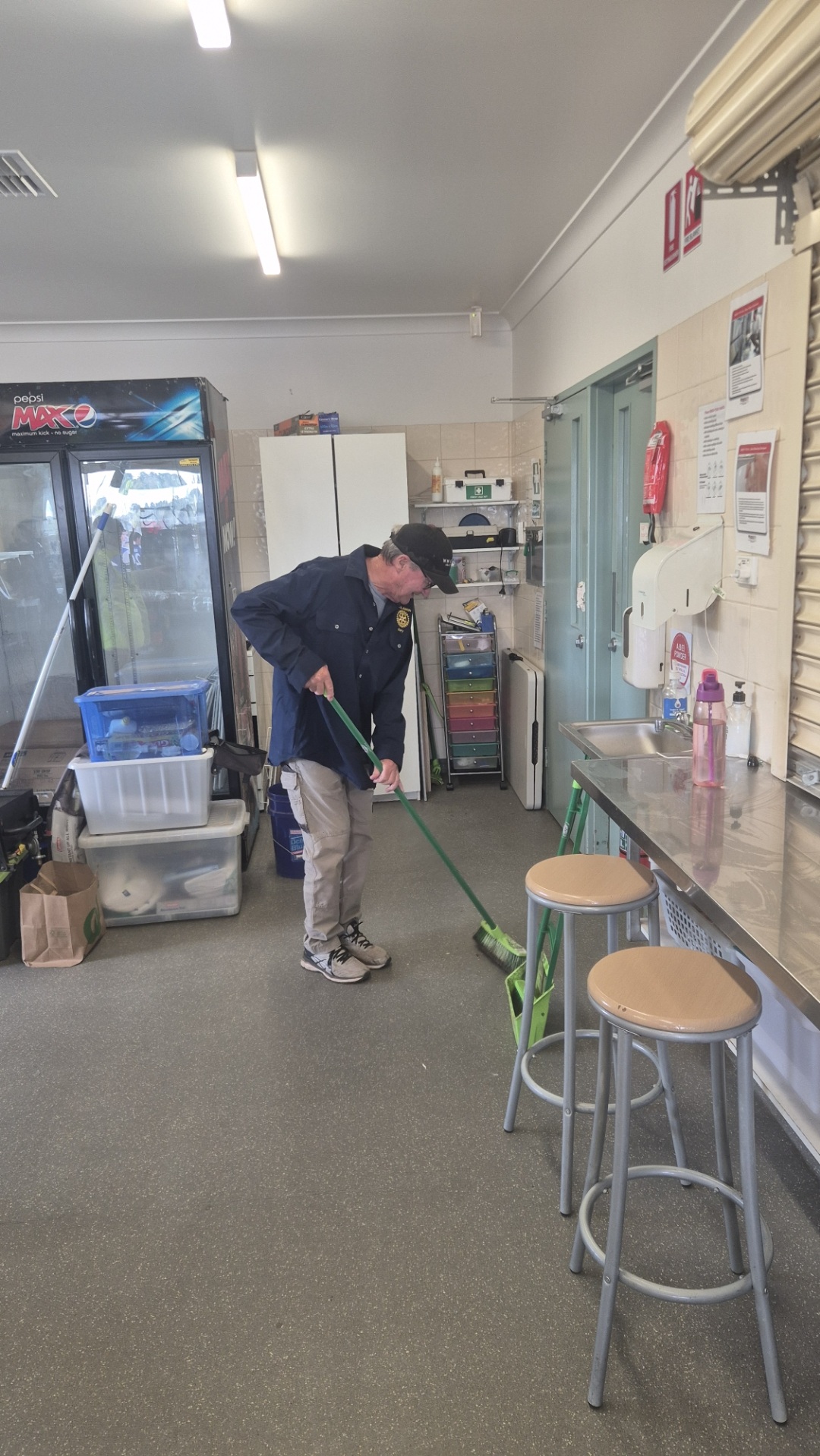
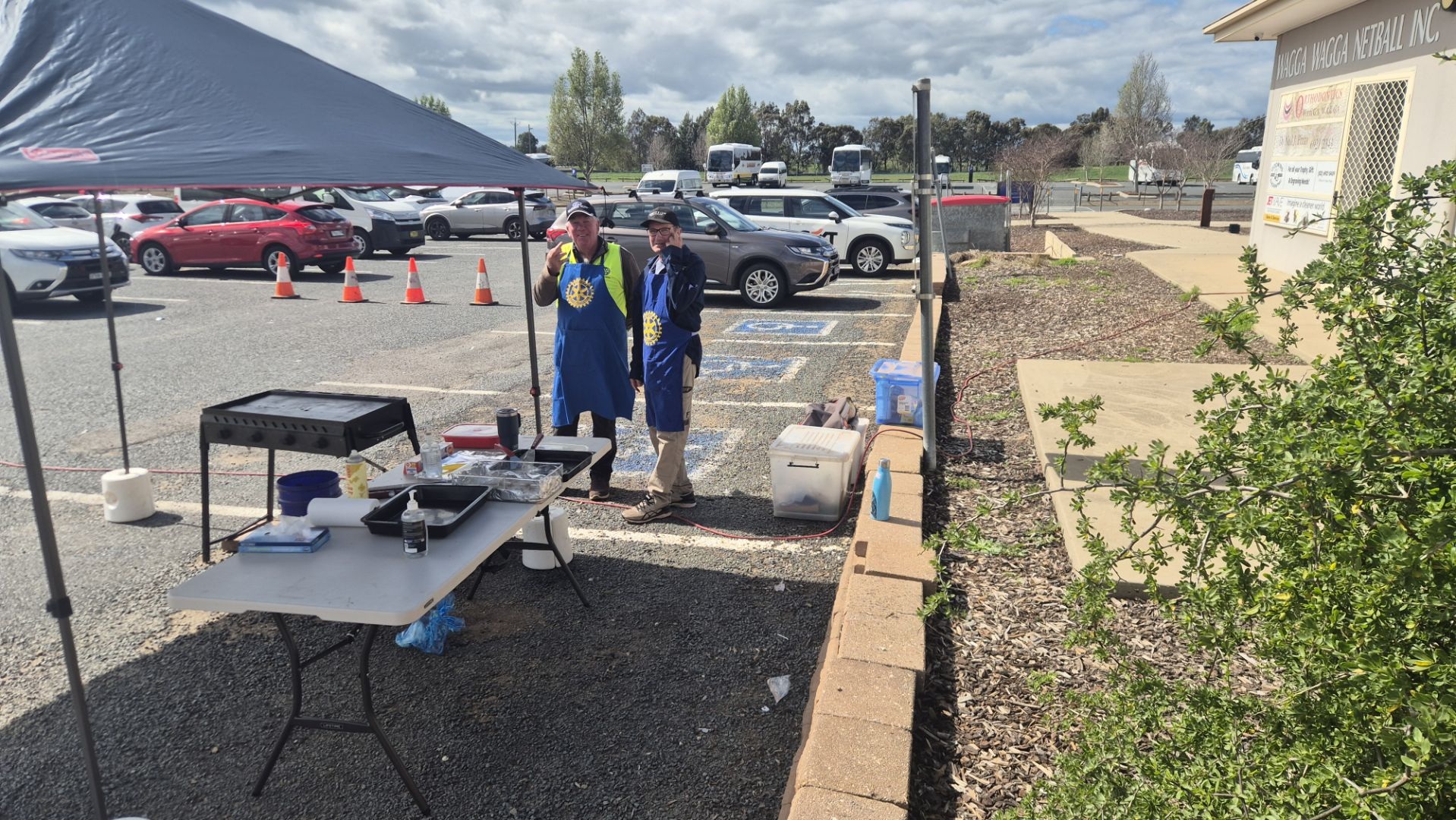
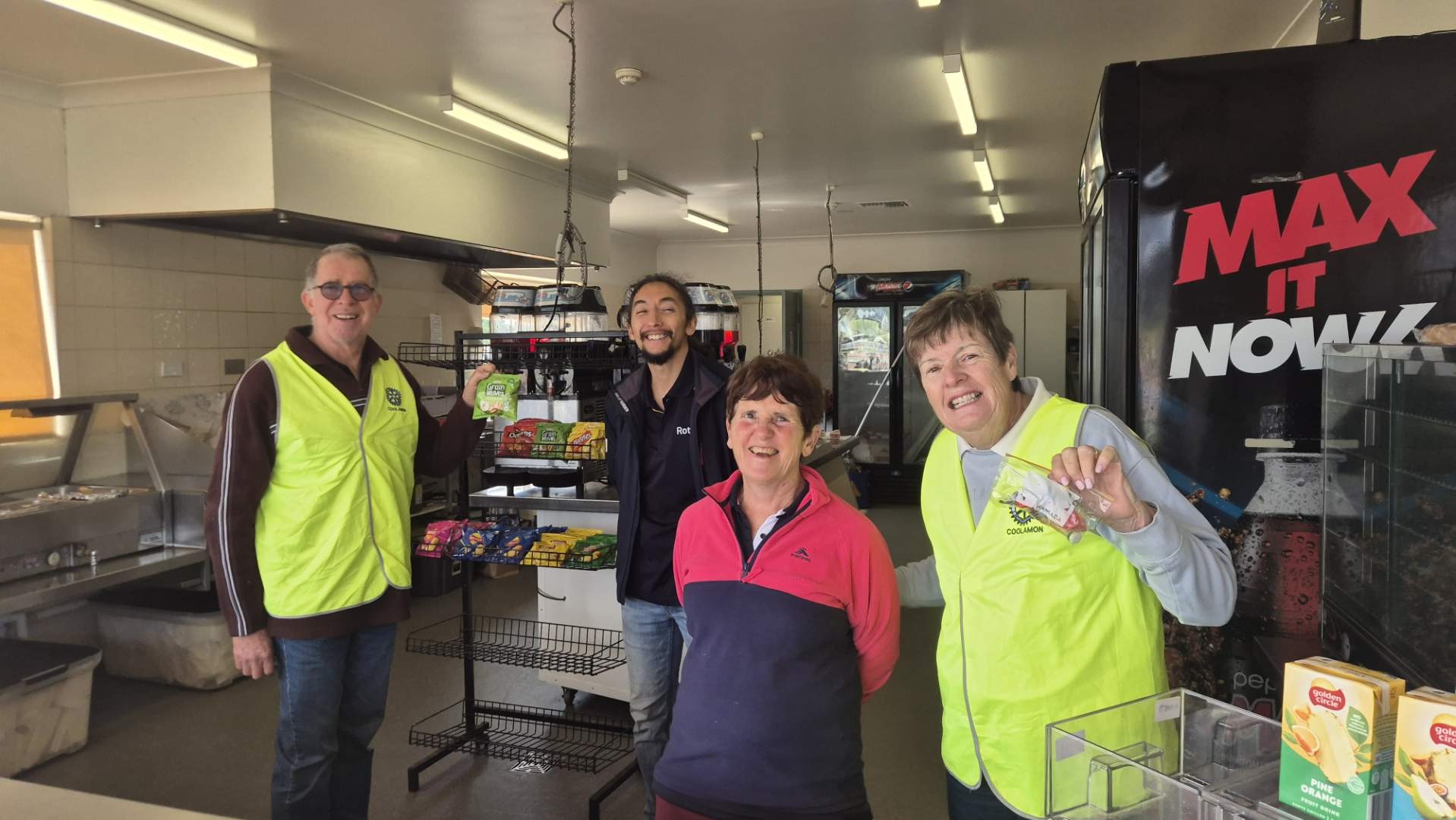
Anne and the above volunteers raised $319 last week at the Wagga Wagga netball carnival. The volunteers included: Anne, Don, Gary, Vicki, Adrian and Bear I am not sure who took the photo!
DIARY
N.B. You are always welcome to bring guests to most of our meetings, just advise Ian Jennings, 0428 492 157, if you want to bring a guest along when you respond to the weekly dinner roll call!
You can download the full programme here and note that it will change and that will be reflected in the weekly bulletin: CRC Diary On-Line
*Monday 2nd November Melbourne Cup Day Meeting 6.30 for 7.00pm start at the Coolamon Sports Club
Monday 9th November Board Meeting 5.30 at the Coolamon Sports Club.
Monday 9th November Dinner Meeting 6.30 for 7.00pm start at the Coolamon Sports Club.
*Monday 8th December Gears & Beers Post Mortem by the Wollundry RC 6.30 for 7.00pm at the Coolamon Sports Club.
*Guests welcome to bring their partners and friends.
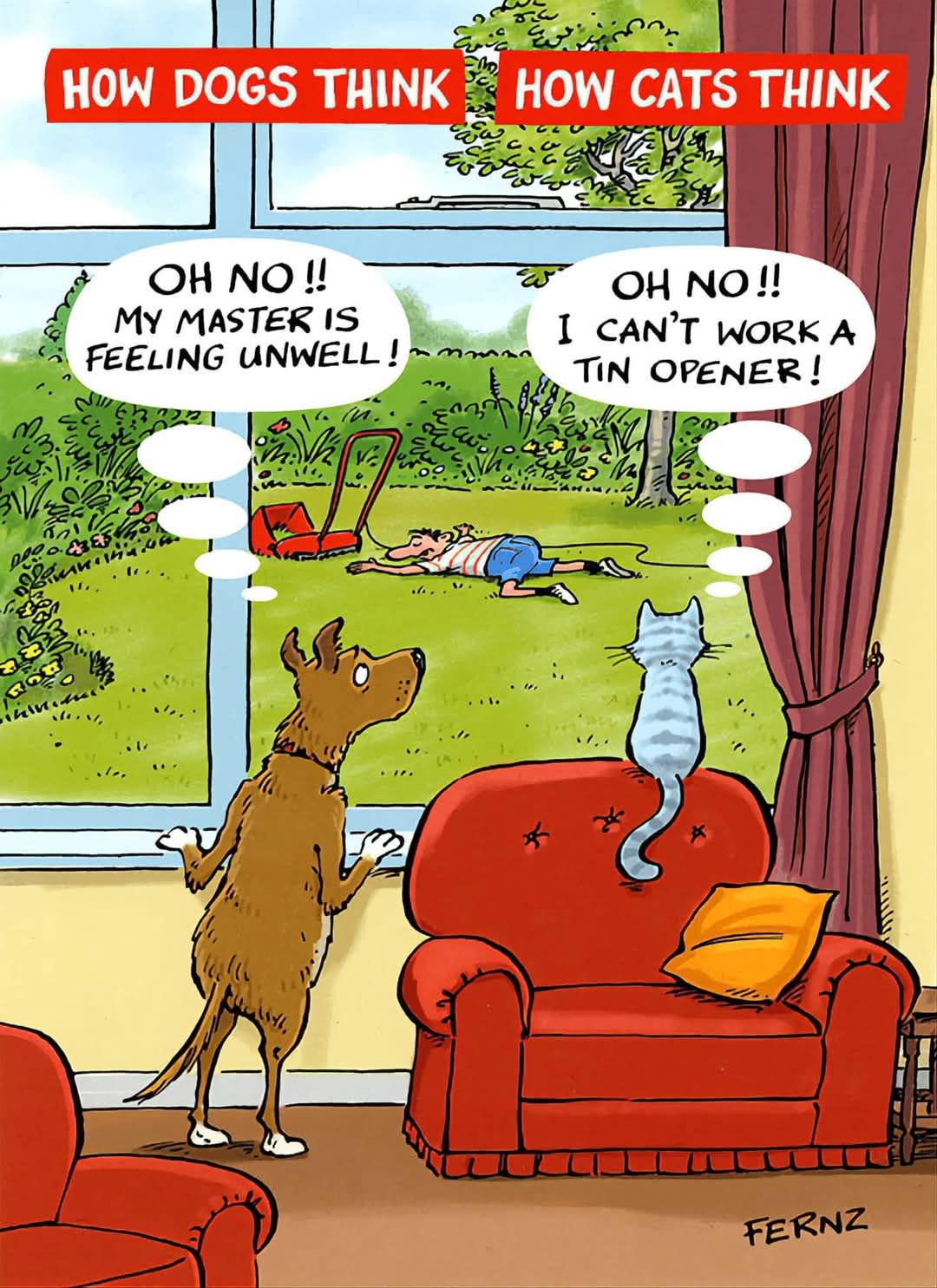
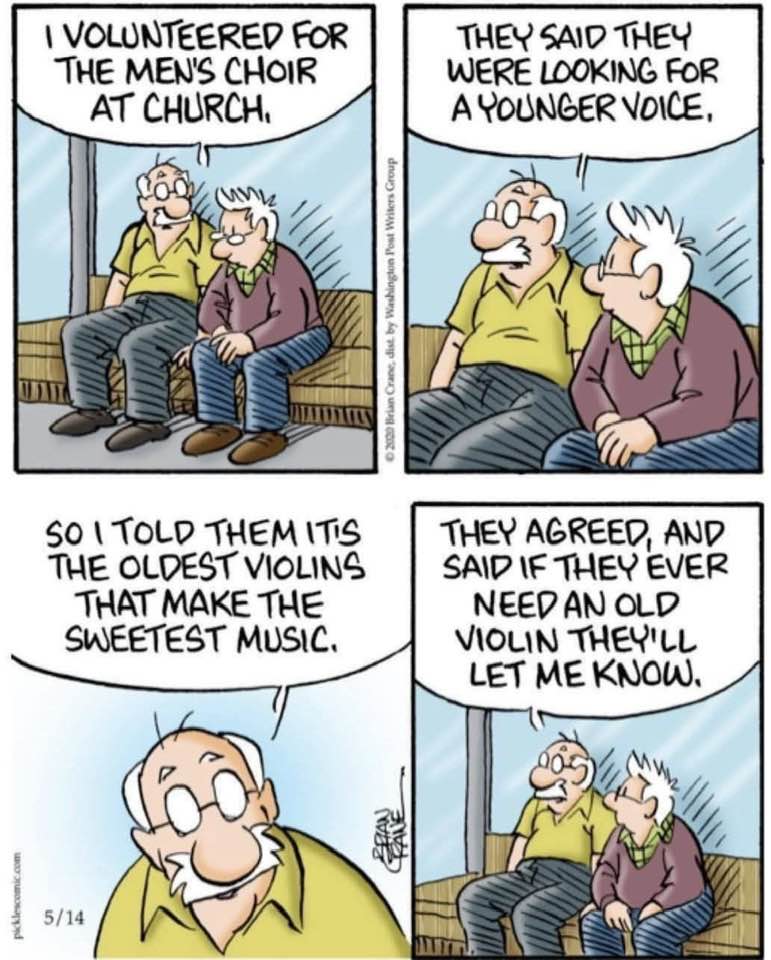
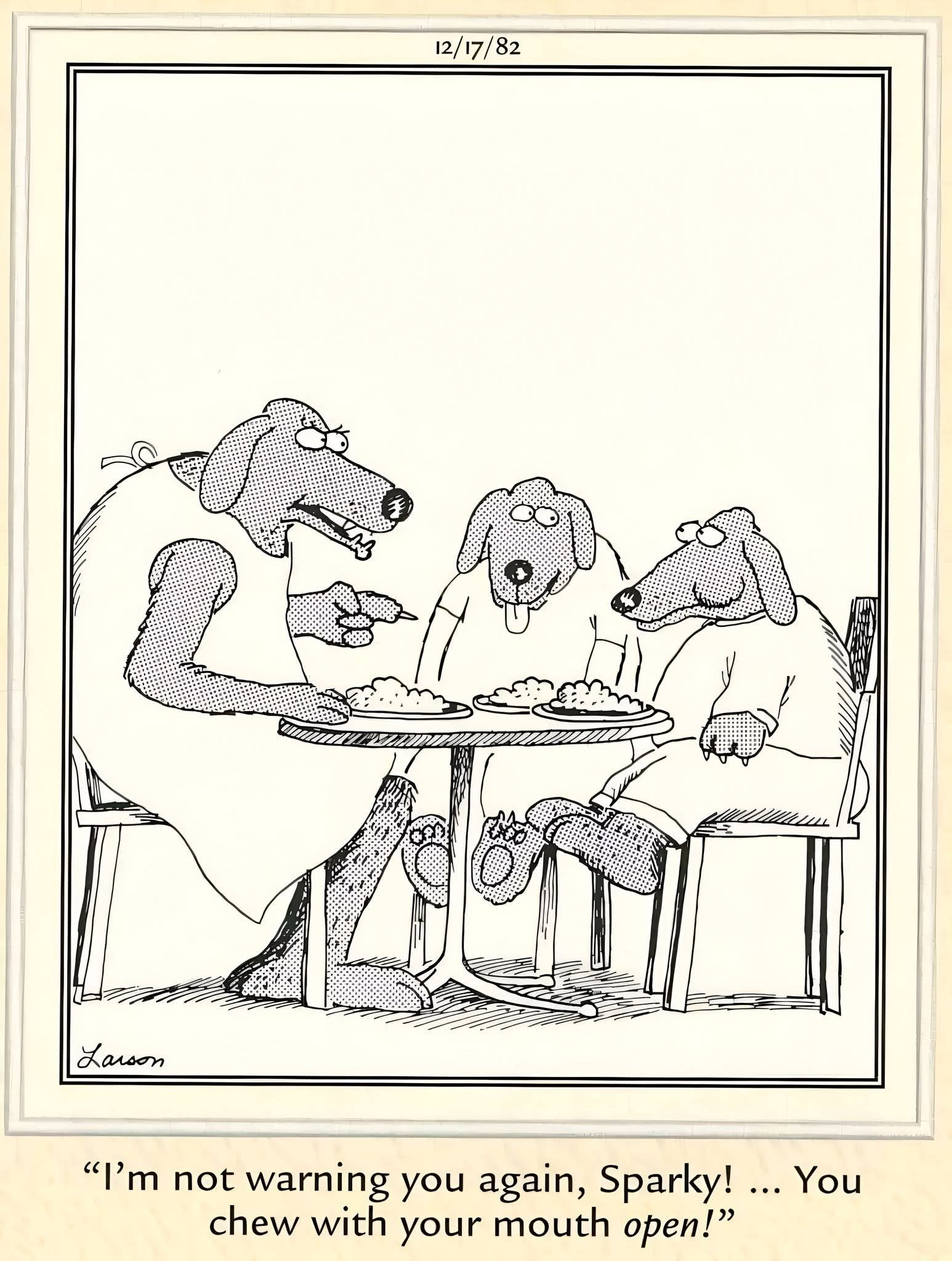
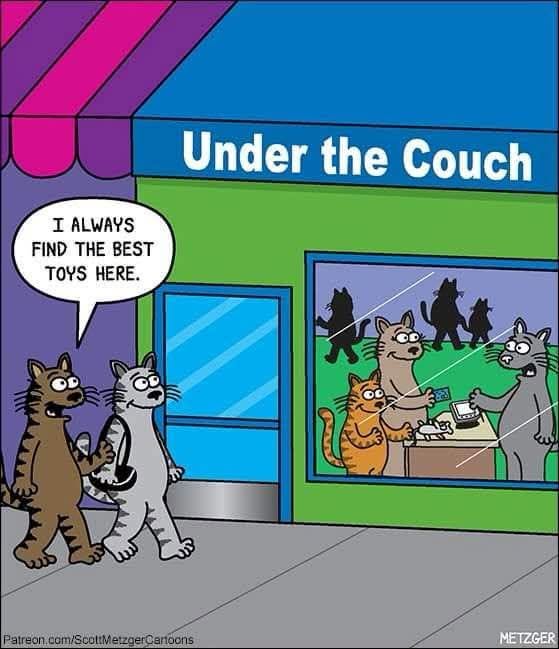
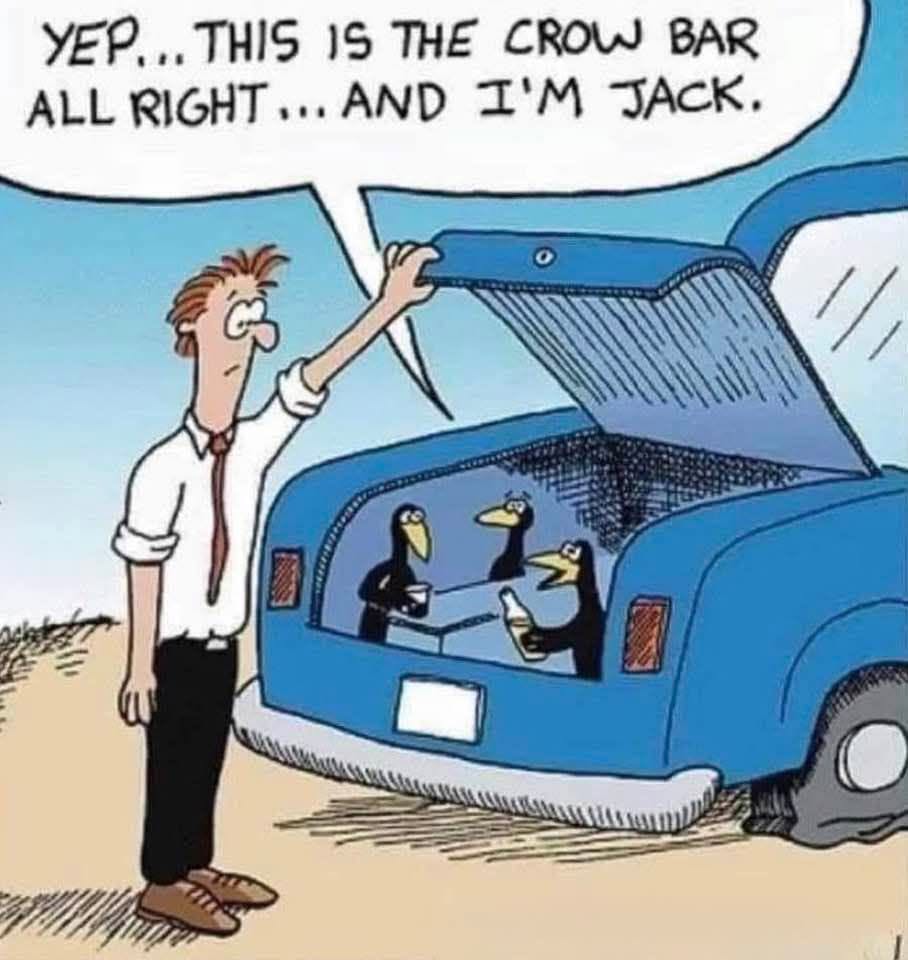
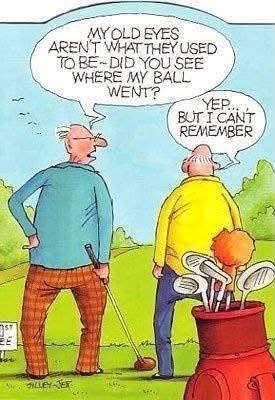
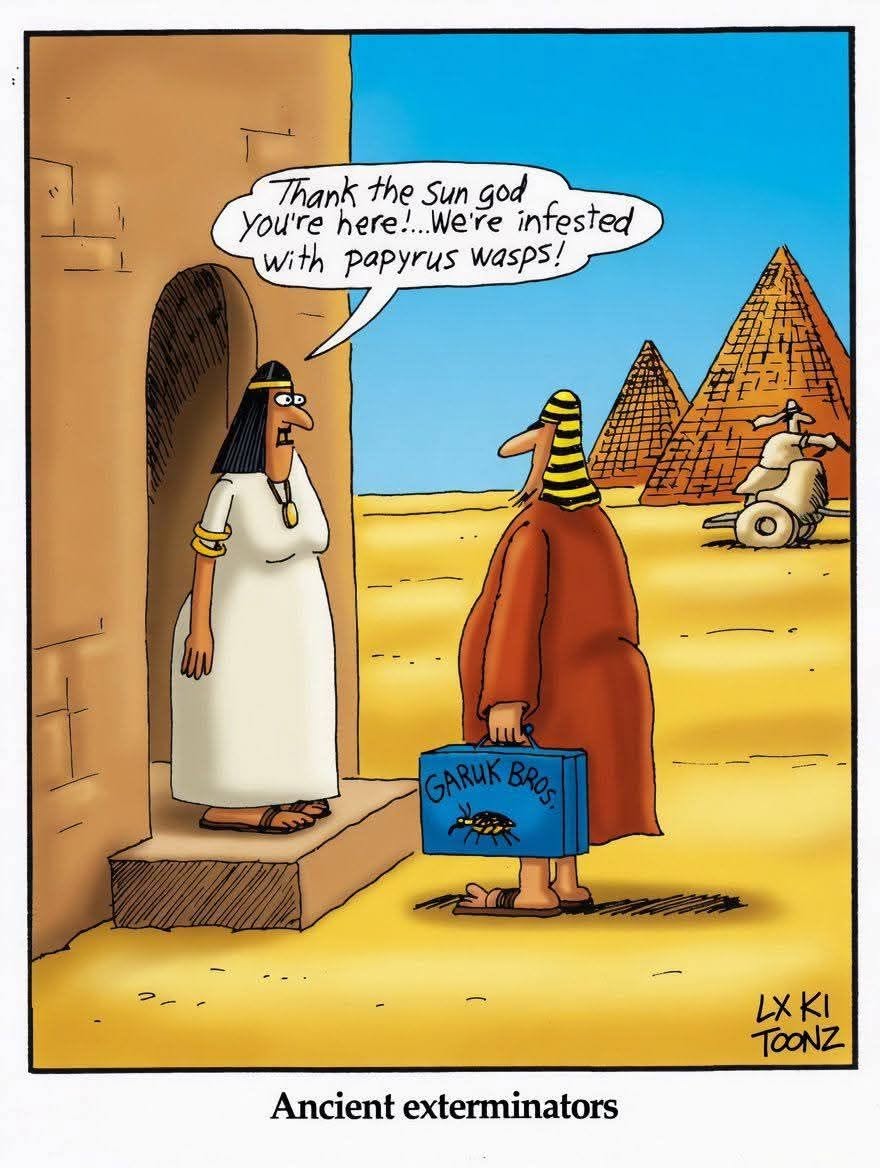
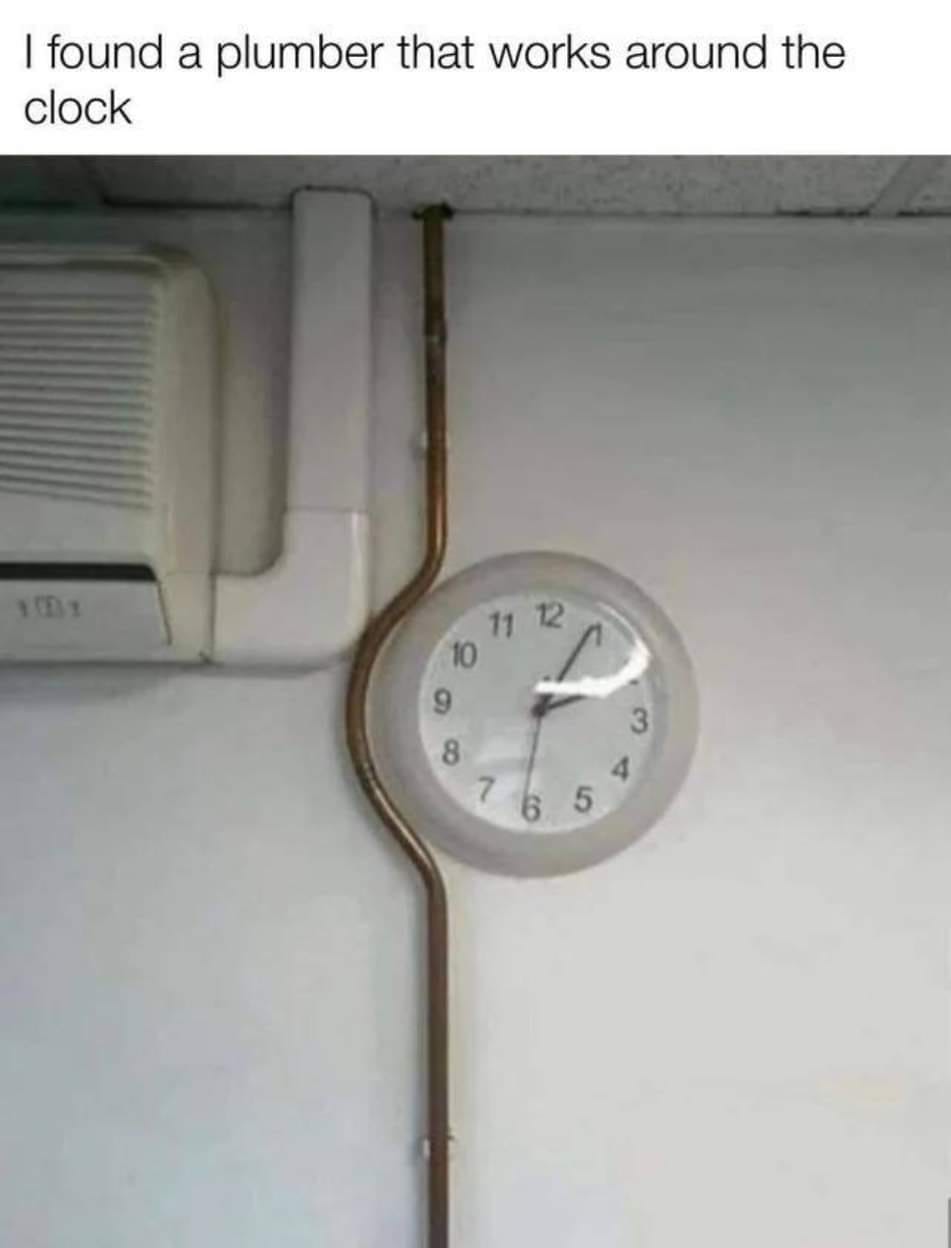
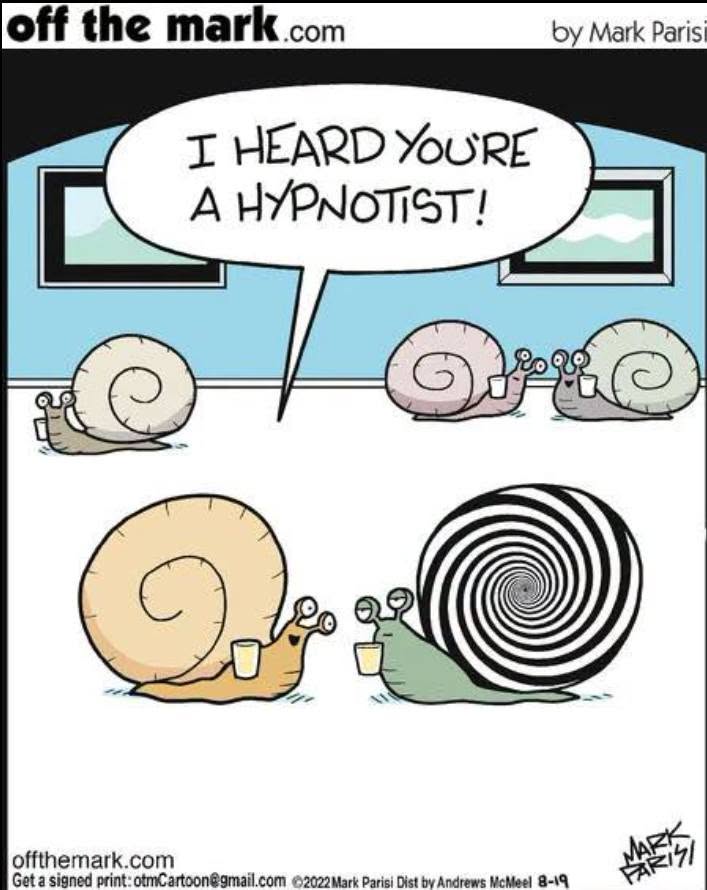
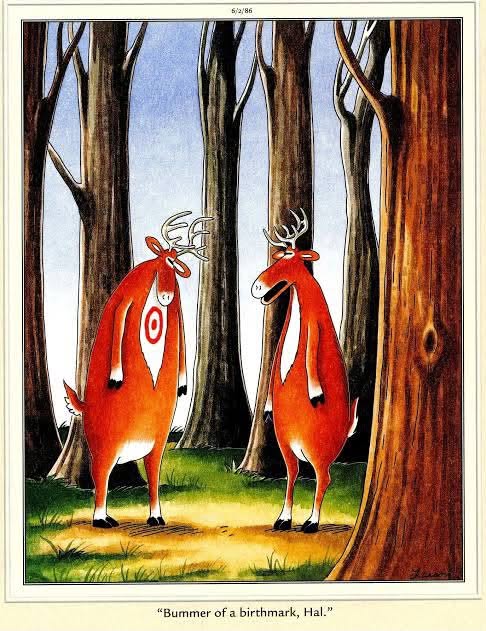
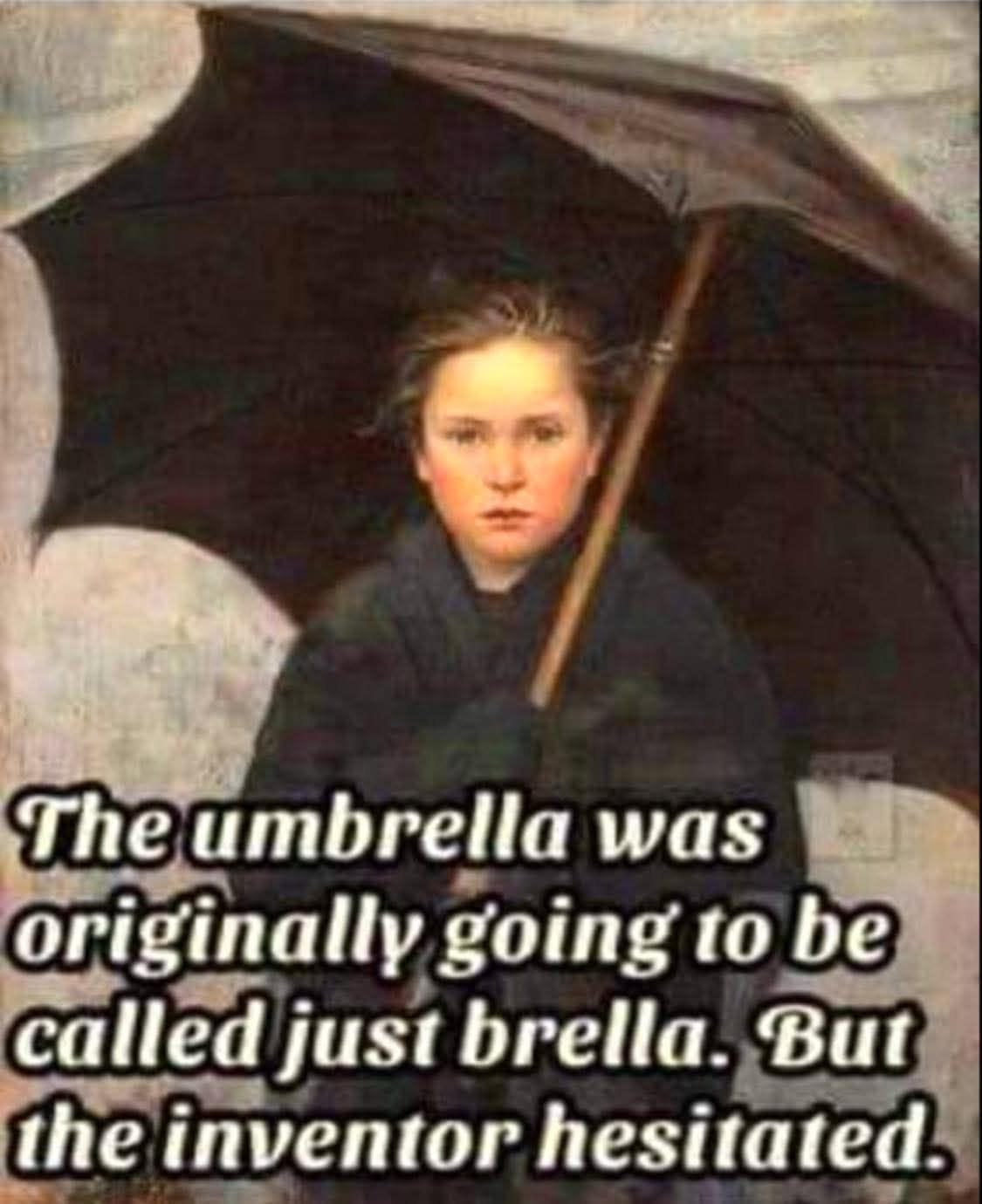
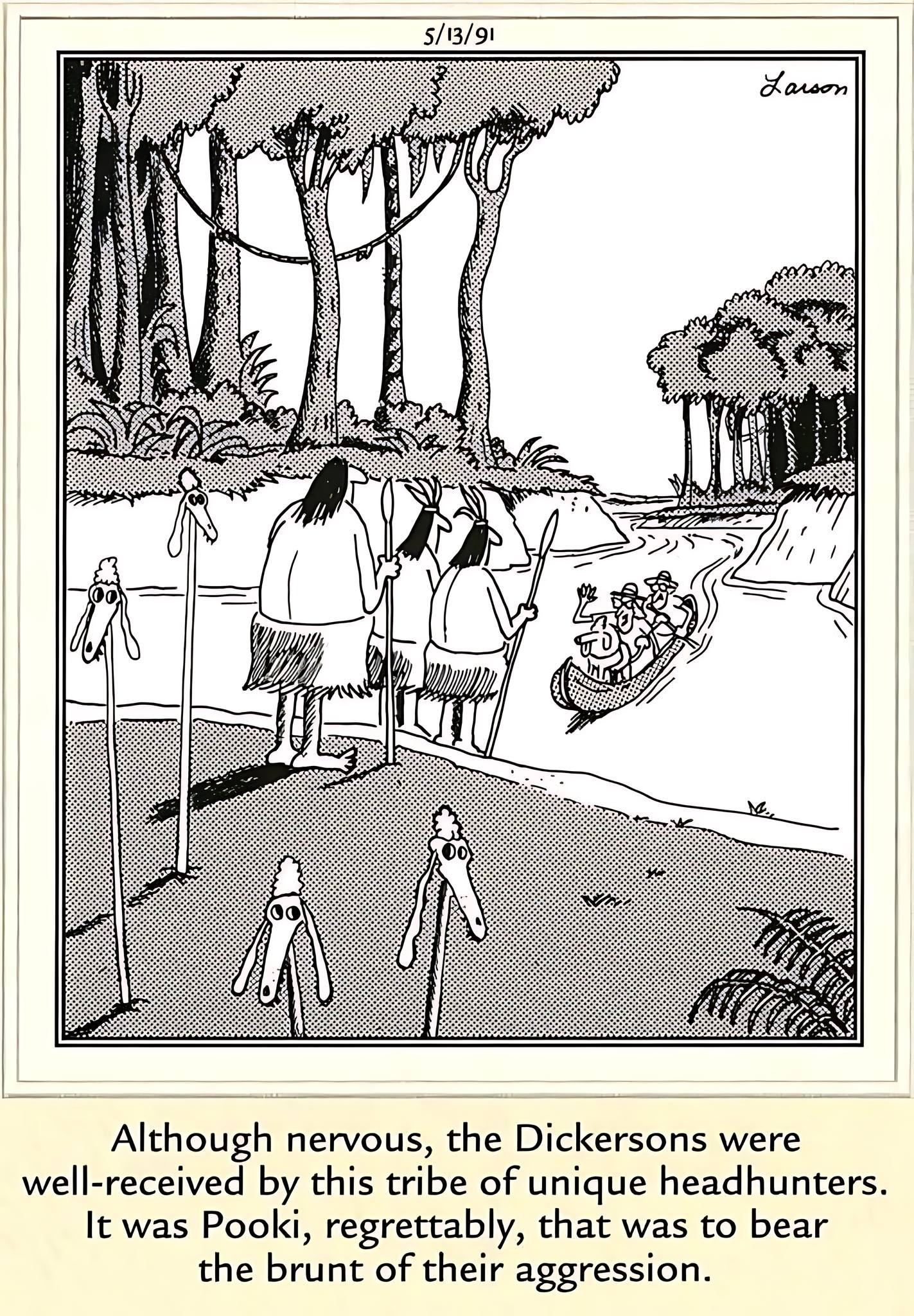
JUST FOR LAUGHS
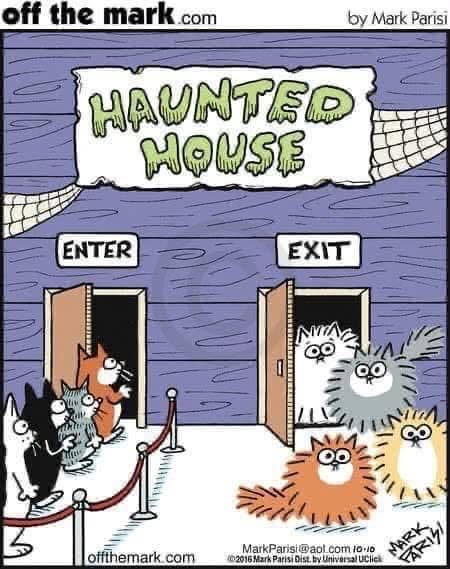
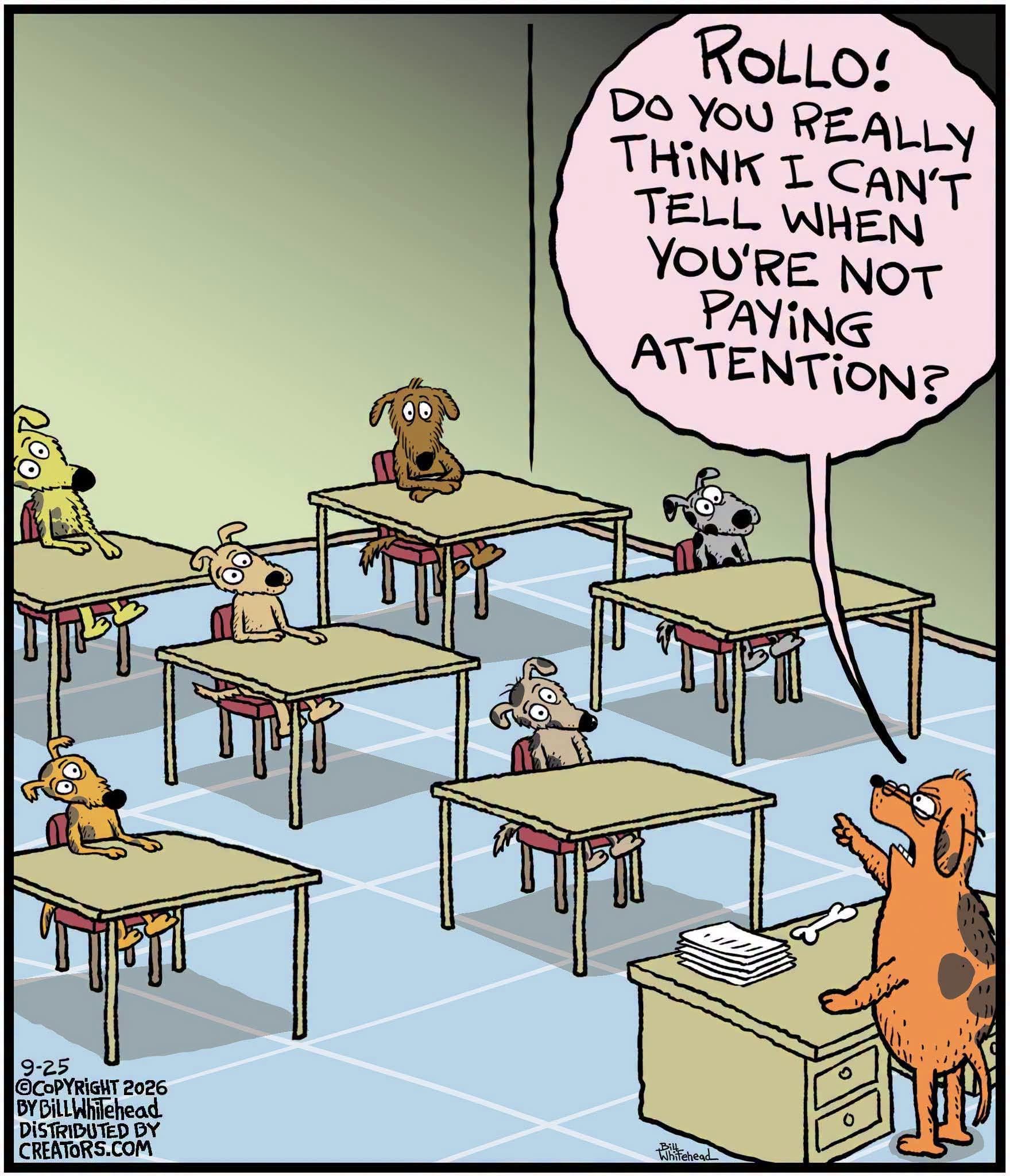

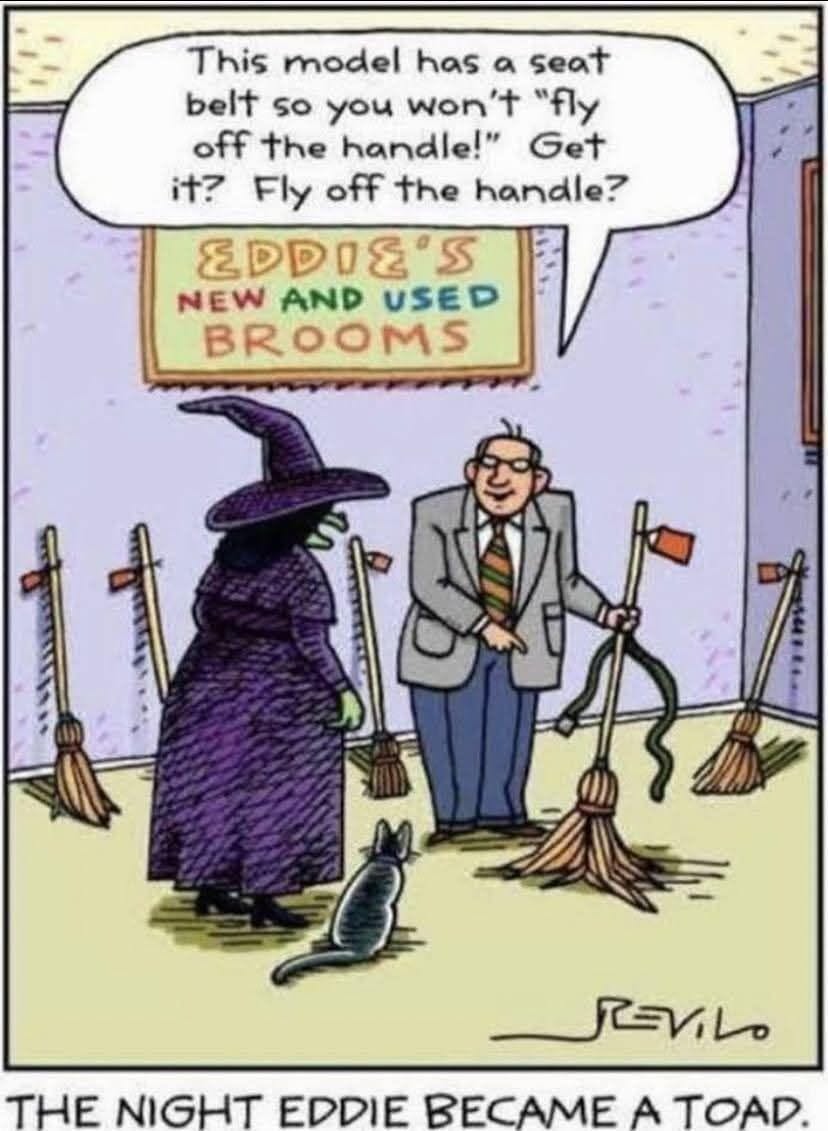
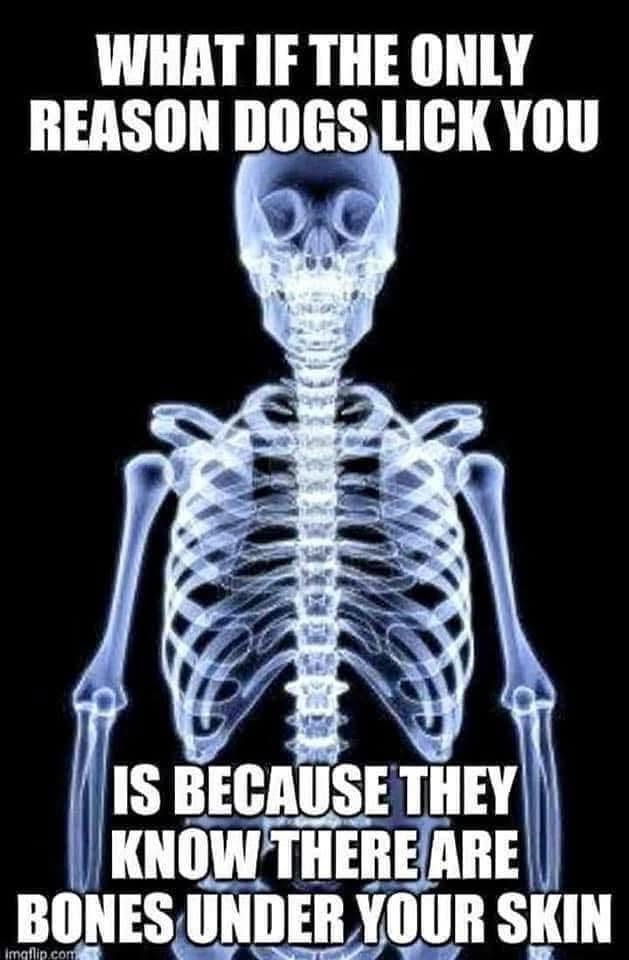
All of the above photos were obtained from Facebook. Credit to the owners.
ROTARY NEWS and ITEMS OF INTEREST
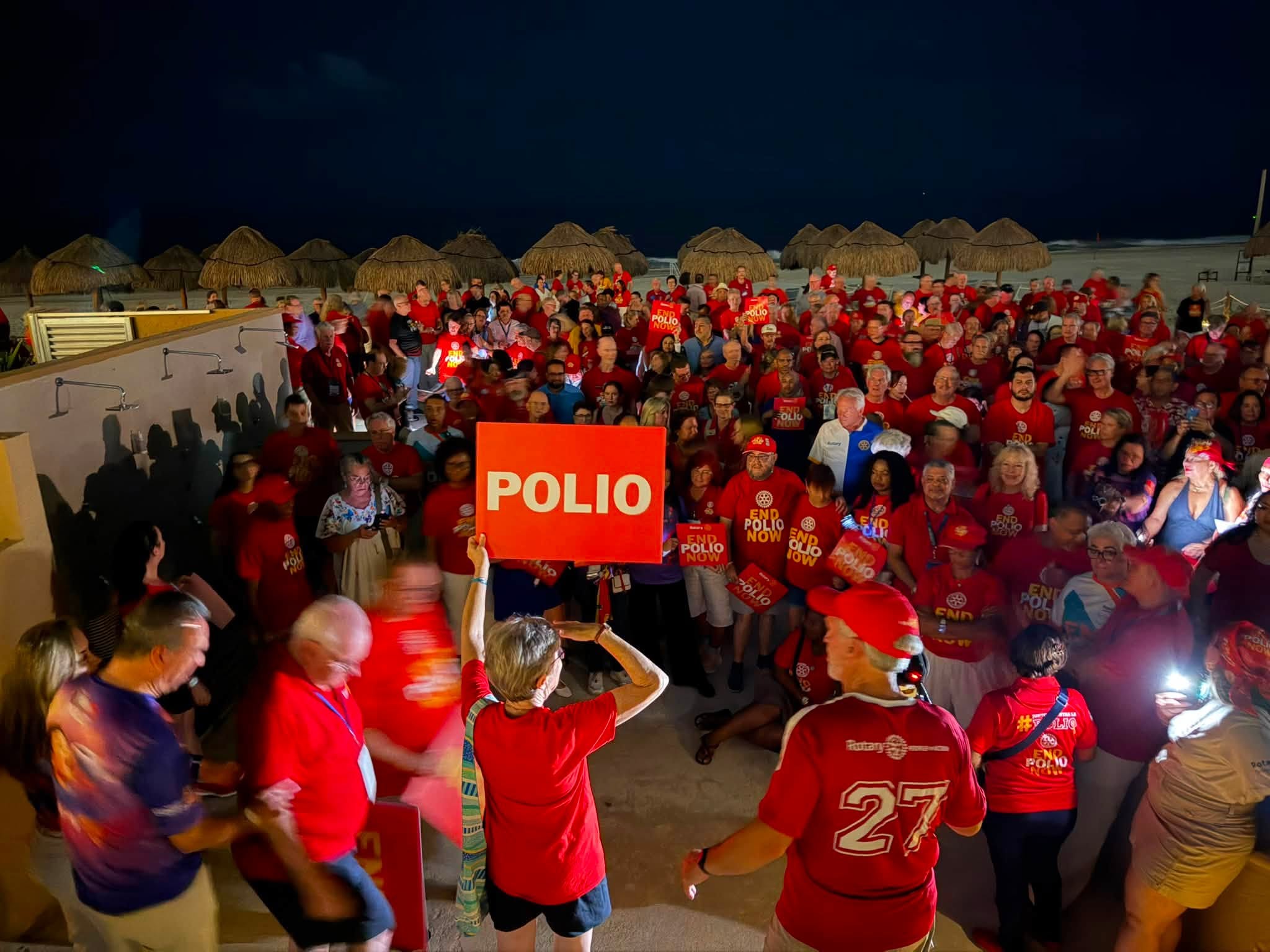
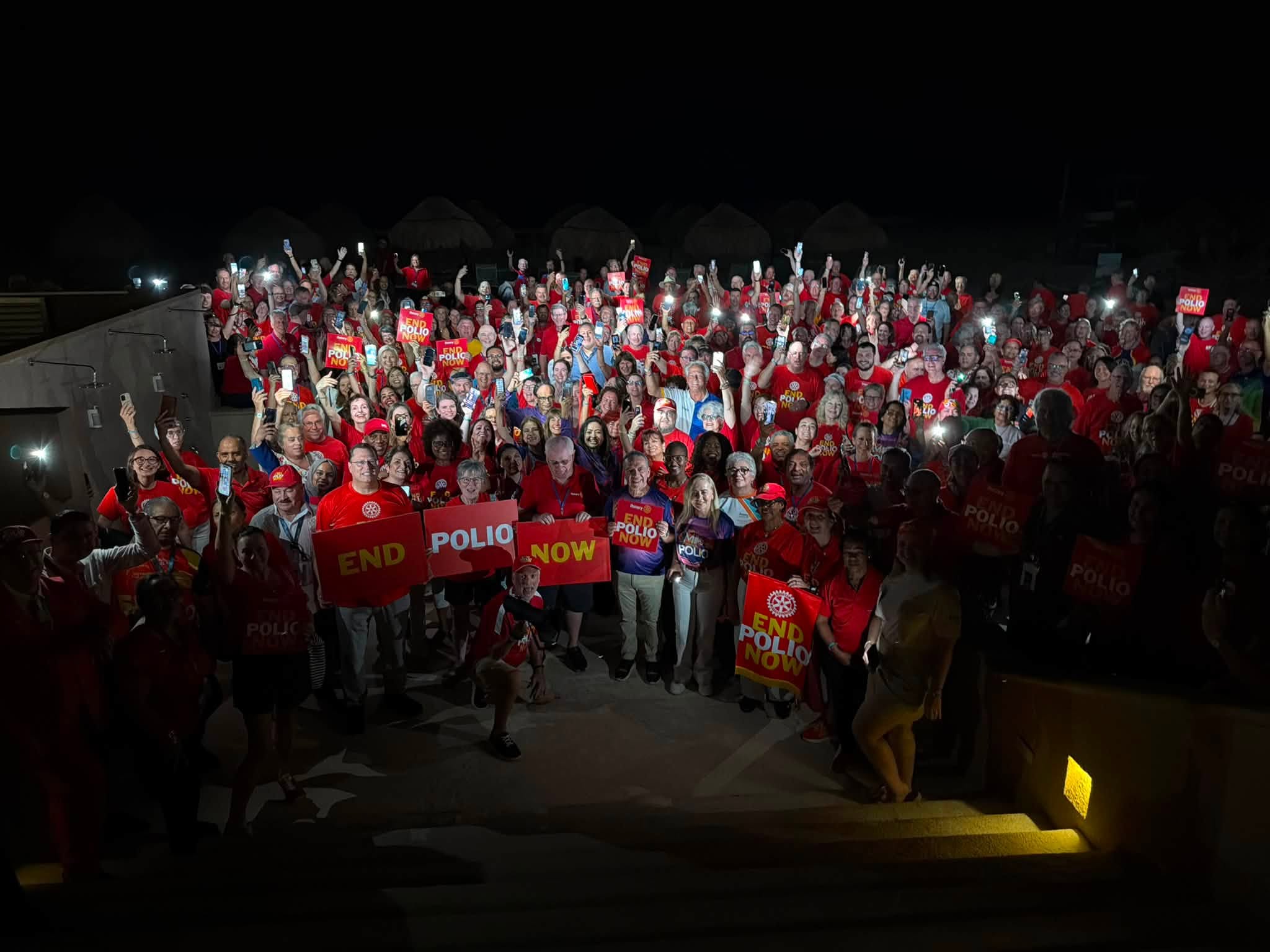
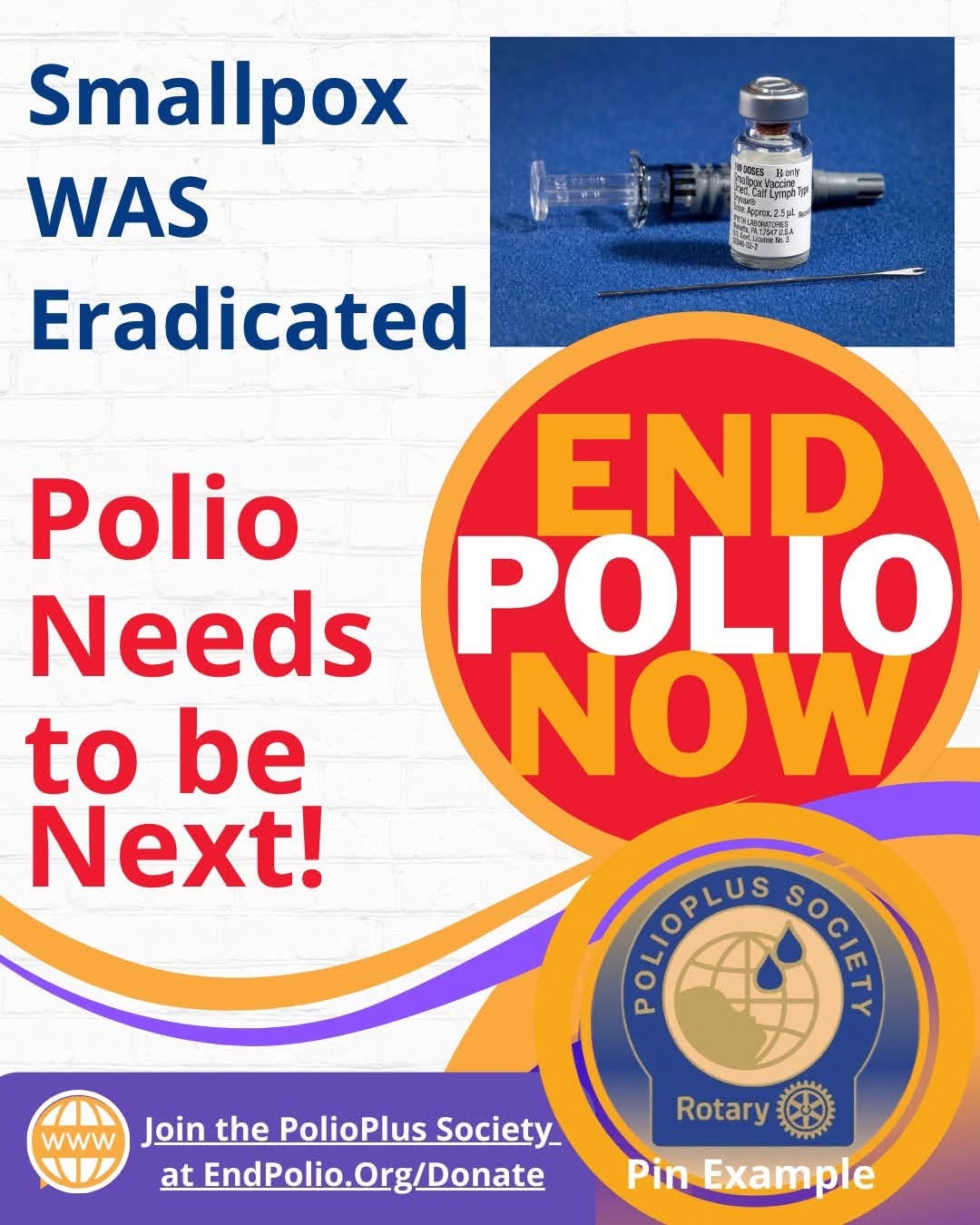
SPECIAL ON WORLD POLIO DAY OCTOBER 24th 2026
Saturday 24th October World Polio Day

This week I want to let you all know how important World Polio Day is around the world.
Many many Rotary clubs around the world hold a fund raising and promotion day to raise awareness around the world that poliomyelitis is only a plane away.
Next year October 24th 2027 I would like to help organise something special to create awareness in our community and further afield. This time next year I will have time available to do more for Rotary and Polio Plus.
1. What is polio?
Polio, or poliomyelitis, is a paralyzing and potentially deadly infectious disease that most commonly affects children under the age of five. The virus spreads from person to person, typically through contaminated water. It can then attack the nervous system.
Below an excellent description of poliomyelitis:
Learn more about the disease
2. Rotary and Poliomyelitis
Rotary is an international community that brings together leaders who step up to take on the world’s toughest challenges, locally and globally. The eradication of polio is one of our longest standing and most significant efforts. We have reduced polio cases by 99.9 percent worldwide and we won’t stop until we end the disease for good.
Rotary’s first polio project was to vaccinate children in the Philippines in 1979. Inspired by that successful vaccination campaign, Rotary went on to become a founding partner of the Global Polio Eradication Initiative in 1988.
The fight to end polio is led by the Our Partners (GPEI), which includes Rotary, UNICEF, the U.S. Centers for Disease Control and Prevention (CDC), the World Health Organization (WHO), the Gates Foundation, Gavi, the Vaccine Alliance, and governments of the world, with the support of many others around the globe.
Rotary has contributed more than US$2.9 billion in PolioPlus grants and countless volunteer hours to global polio eradication efforts since launching the PolioPlus program in 1985.
Since the GPEI’s launch in 1988, over US$ 20 billion has been invested through WHO and UNICEF in support of polio eradication activities carried out in over 70 countries.
The Australian connection; Sir Clem Renouf, OAM, the second Australian born Rotary International President, and the man who inspired Rotary’s polio eradication efforts has died age 99 in Queensland. He was the 1978-1979 Rotary International president who helped propel Rotary toward its top goal of eradicating polio worldwide. {Rotary’s first polio project was to vaccinate children in the Philippines in 1979}. Sir Clem was a member of the Rotary Club of Nambour, Queensland, for 70 years
The page below is another excellent description of what PolioPlus does. Remember when we donate to Rotary through PolioPlus for every $ we contribute the Bill and Malinda Gates Foundation matches it 2 to1. So when we award someone a Paul Harris fellow we donate $1,000 to PolioPlus and the Gates Foundation matches it with $2,000 a total of $3,000.
PolioPlus
Hence we need to maintain vaccinations see the video below from our 2026-2027 RI President, Yinka Babalola:
3. What is Needed?
Funds so that the vaccine can be delivered to every child in the world. With only two endemic countries left, the end is near. THEN I heard that In Chicago in 2005. We still have Pakistan and Afghanistan to go.
In October 2024, the GPEI’s Polio Oversight Board (POB) announced the difficult but necessary decision to extend the timelines needed to achieve polio eradication to the end of 2027 for wild poliovirus and the end of 2029 for type 2 variant poliovirus.
The POB approved a revised budget of US$6.9 billion budget for the extended 2022-2029 strategic period, an increase from the US$4.8 billion projected for the 2022-2026 strategic period.
4. What All Rotarians can Do and Did on October 24th 2026
Here is only a small example of some of the events that Rotarians took part in last Saturday to raise awareness and funds for Polio Plus.
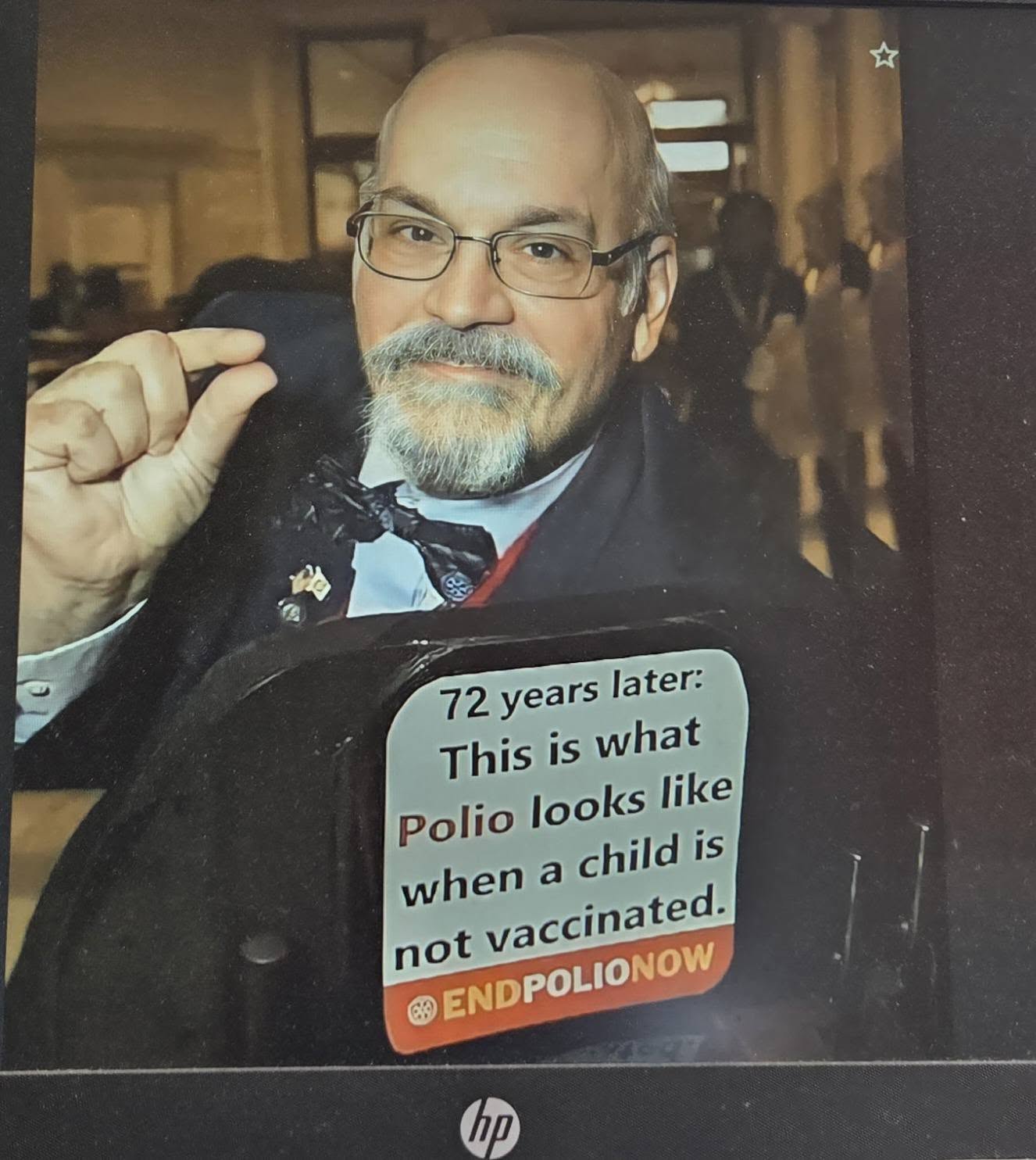
1 John Nanni Polio Survivor.
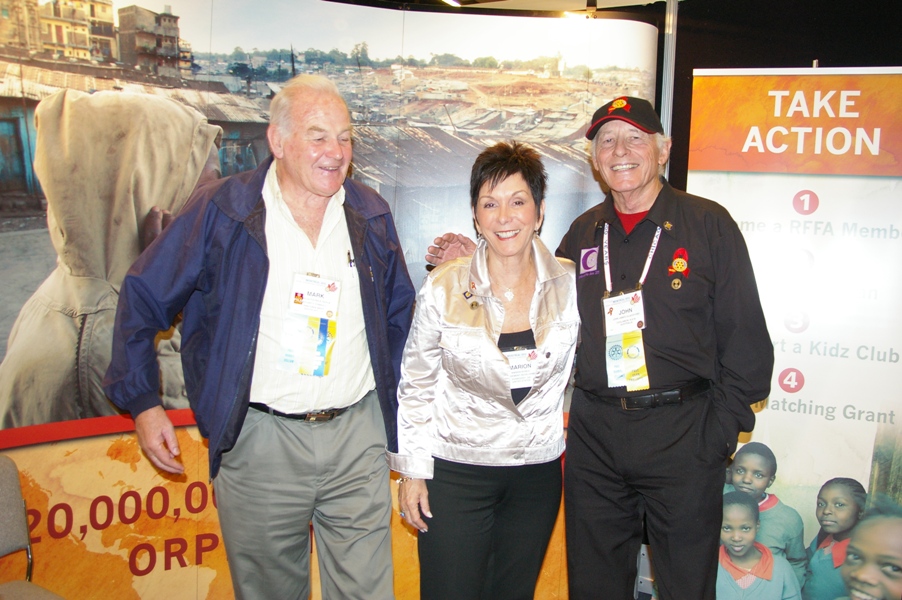
I met John Nanni at the Montreal Convention in 2010.
With World Polio Day tomorrow October 24th now is the perfect time to post an awesome presentation to the RC Vancouver Arbutus by our friend and Polio Survivor, John Nanni. It brought home the world of Polio from the perspective of a survivor and the future impact on the End Polio Program by Rotary.
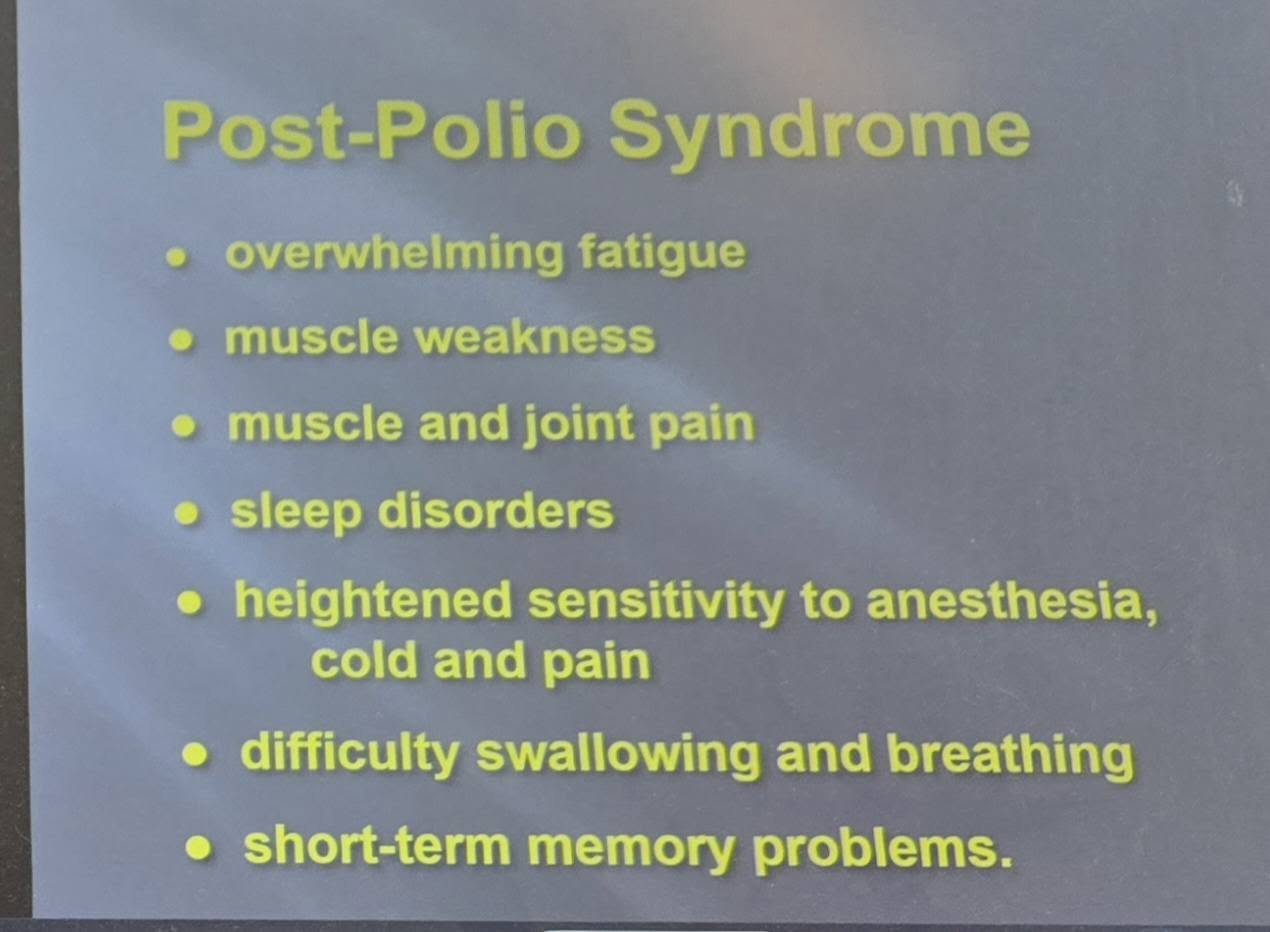
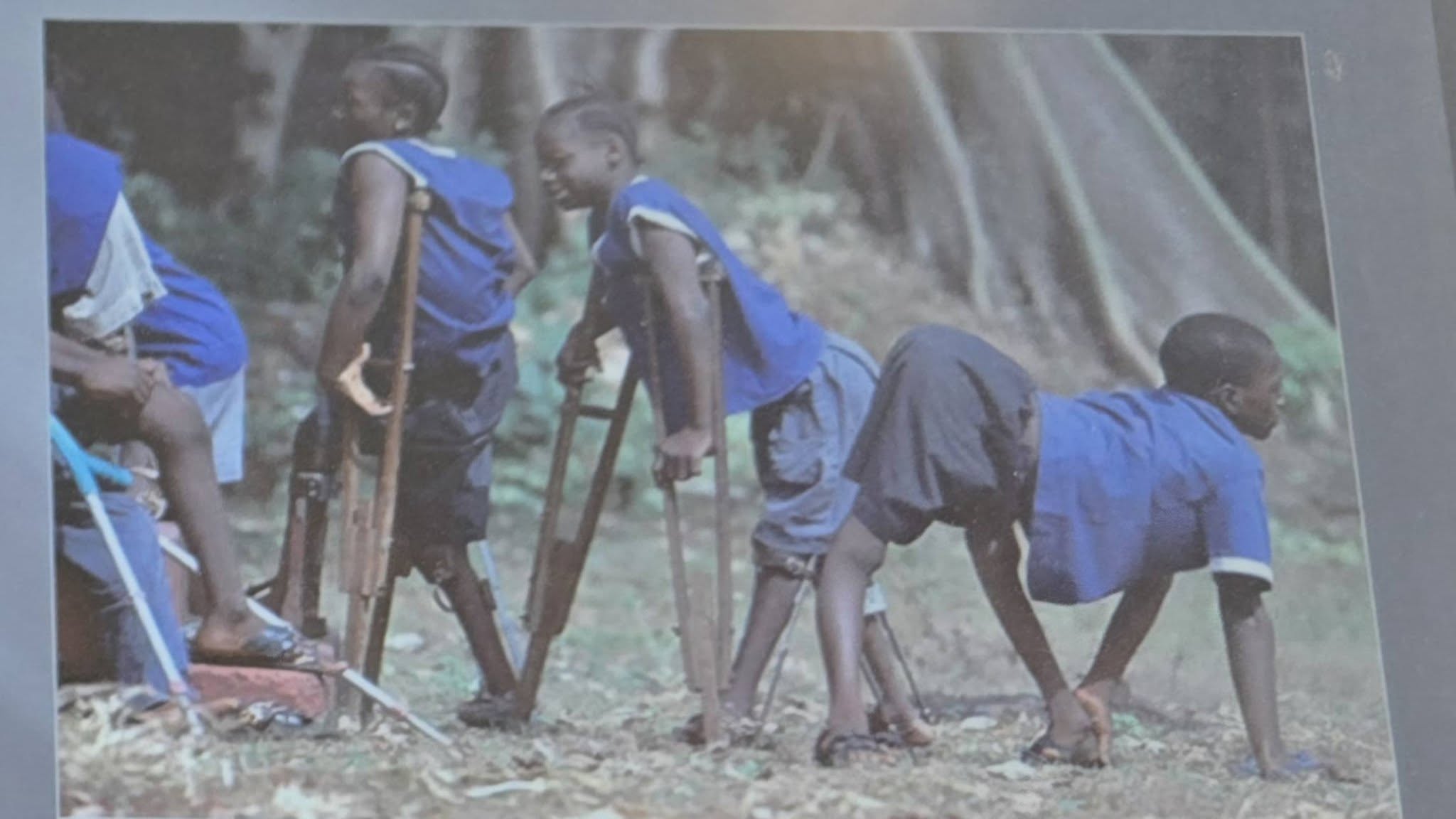
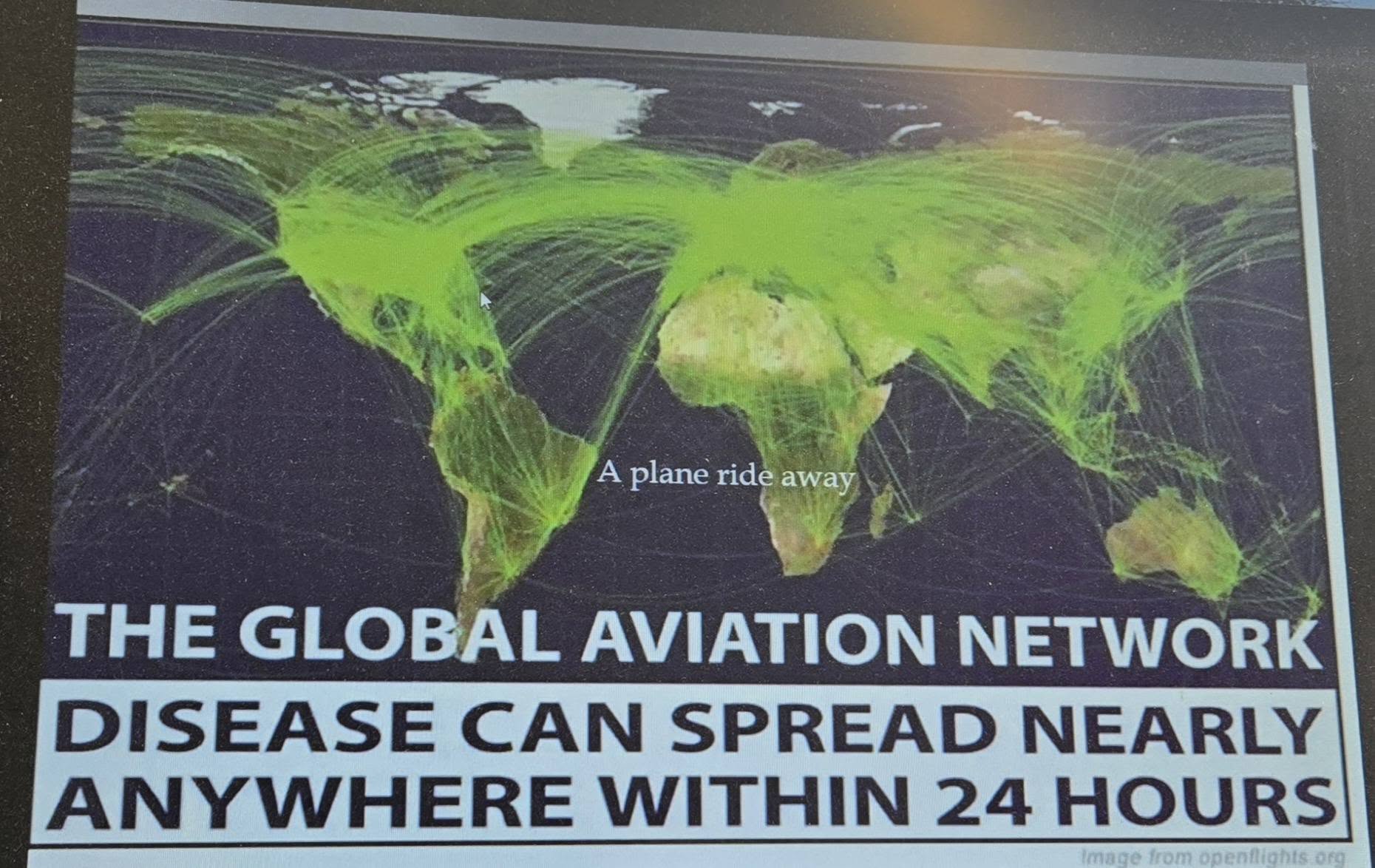

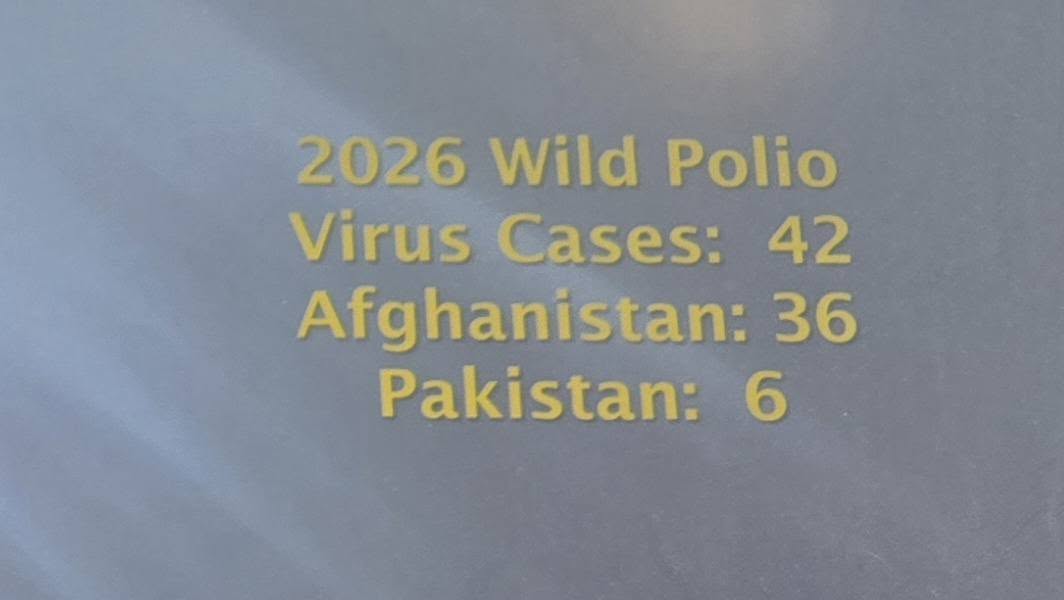
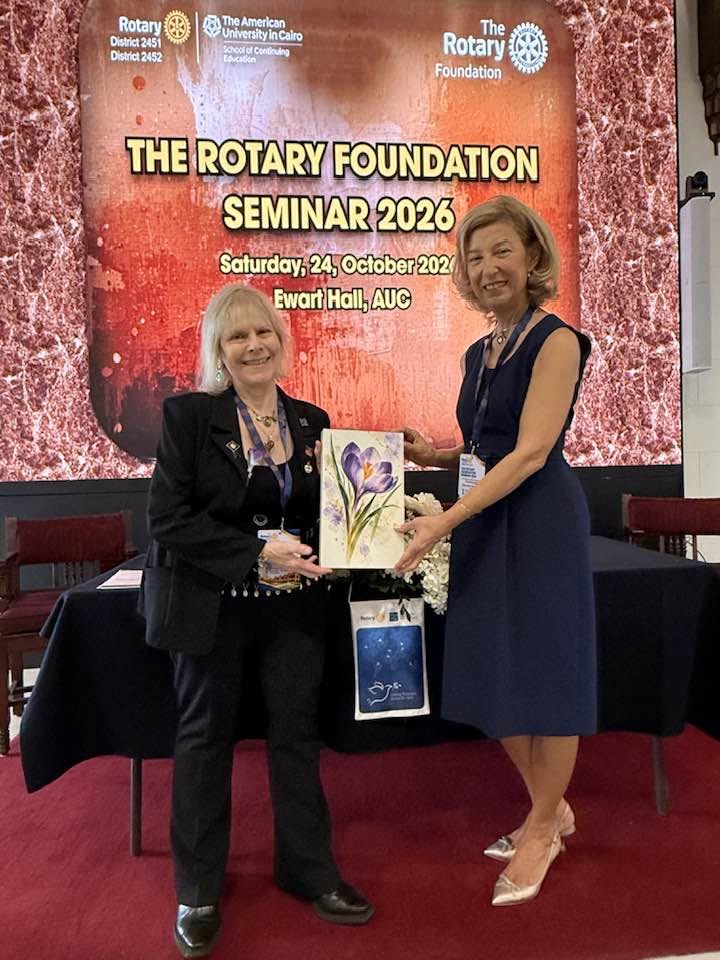
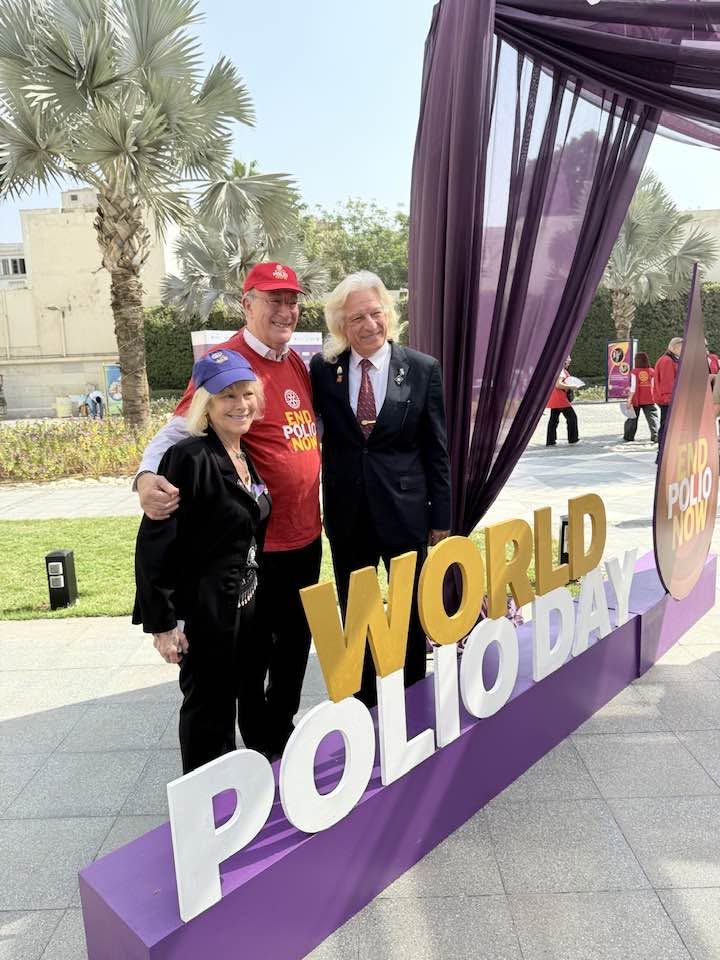
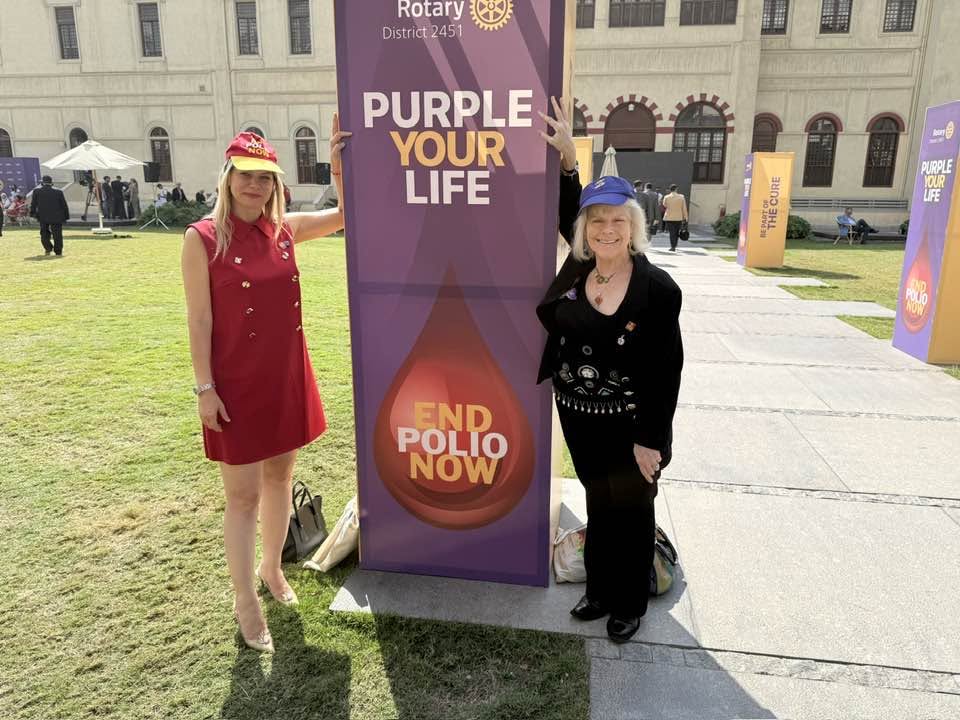
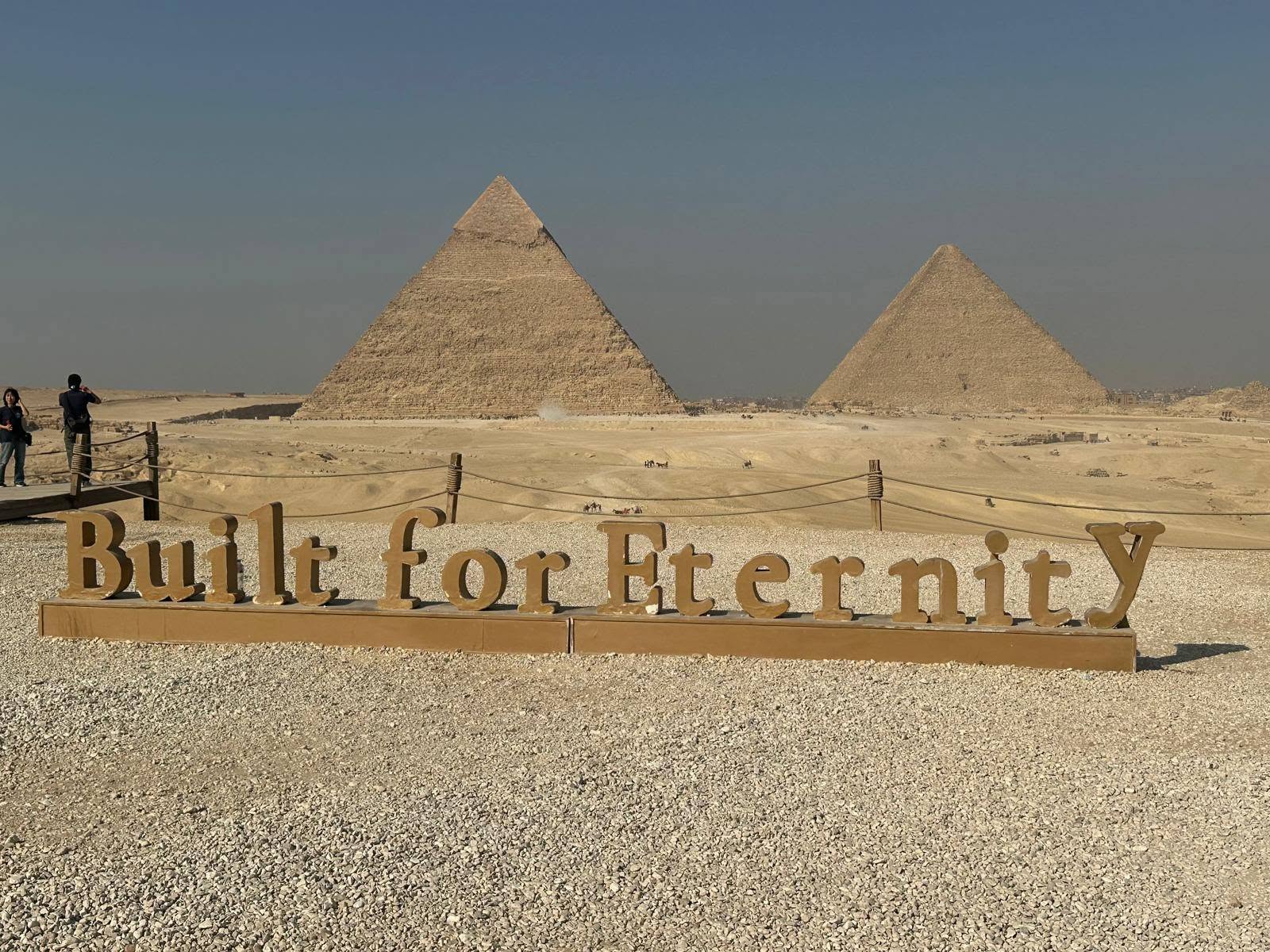
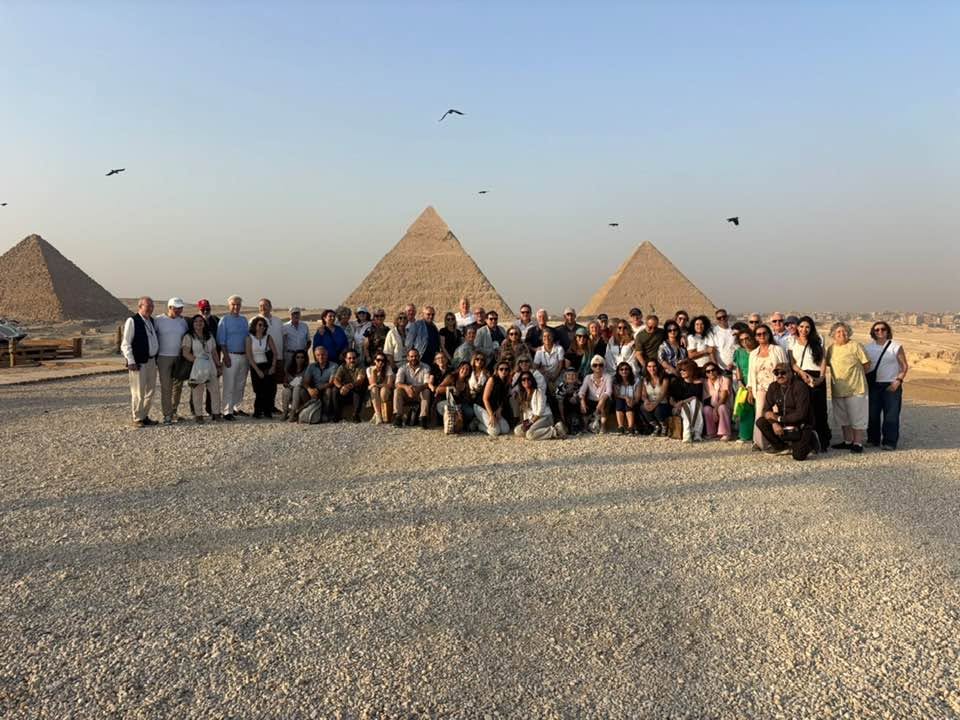
2. World polio Day in Cairo.
Marking World Polio Day in Cairo! We are getting ever closer to achieving Rotary International’s goal of a polio free world. Rotary International Director Eve Conway is a good friend of mine from the RAGES days Eve was on the Board of RAGES.

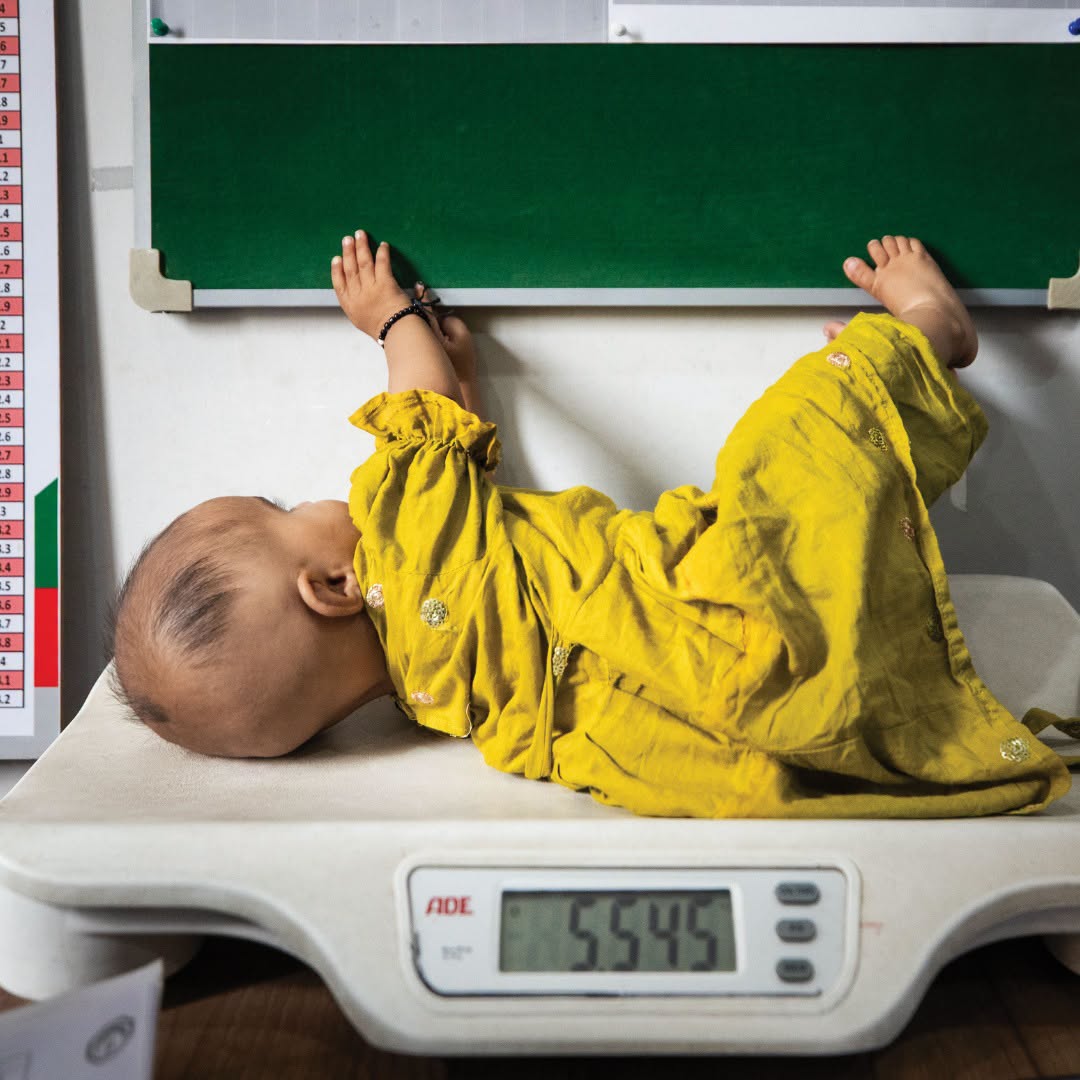
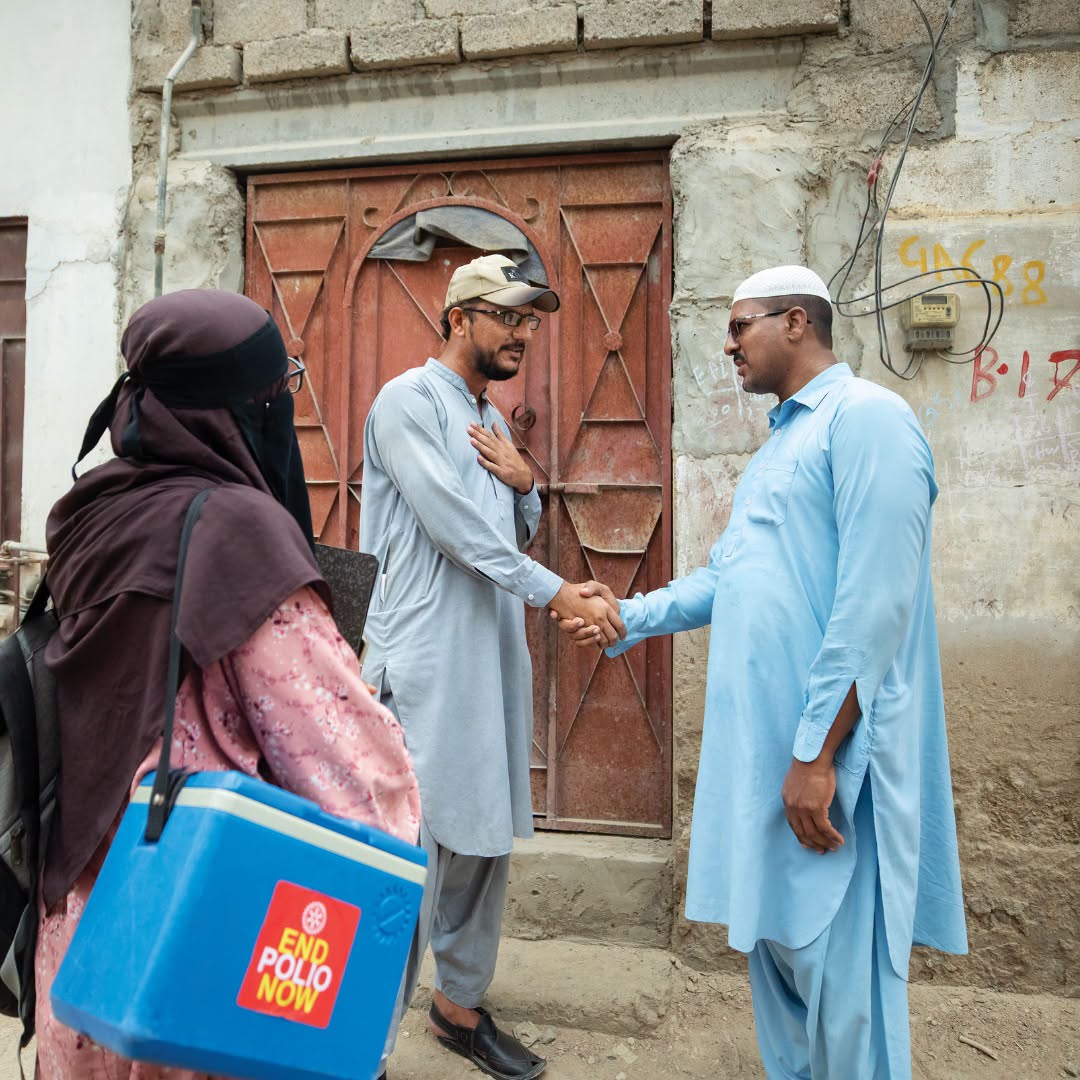
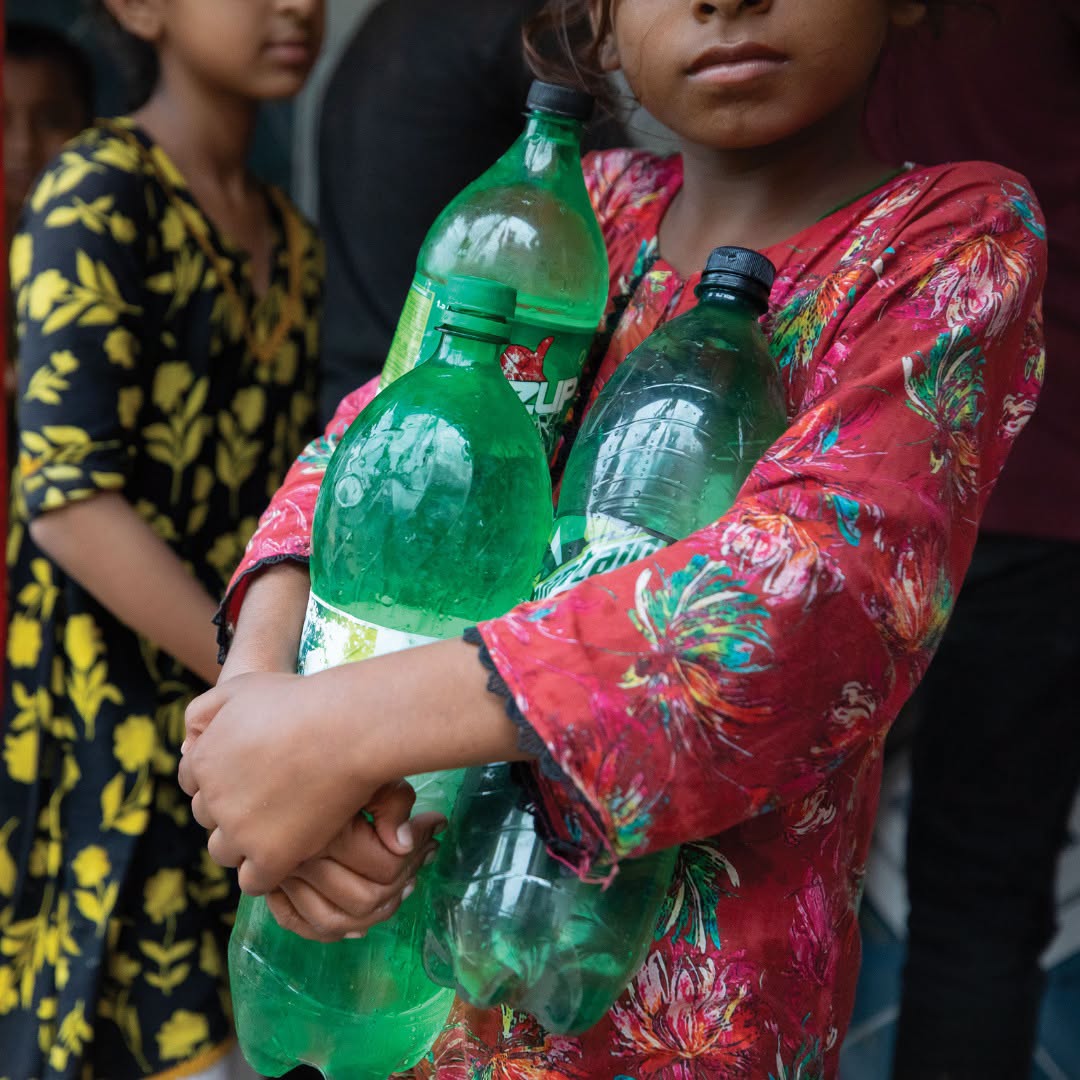
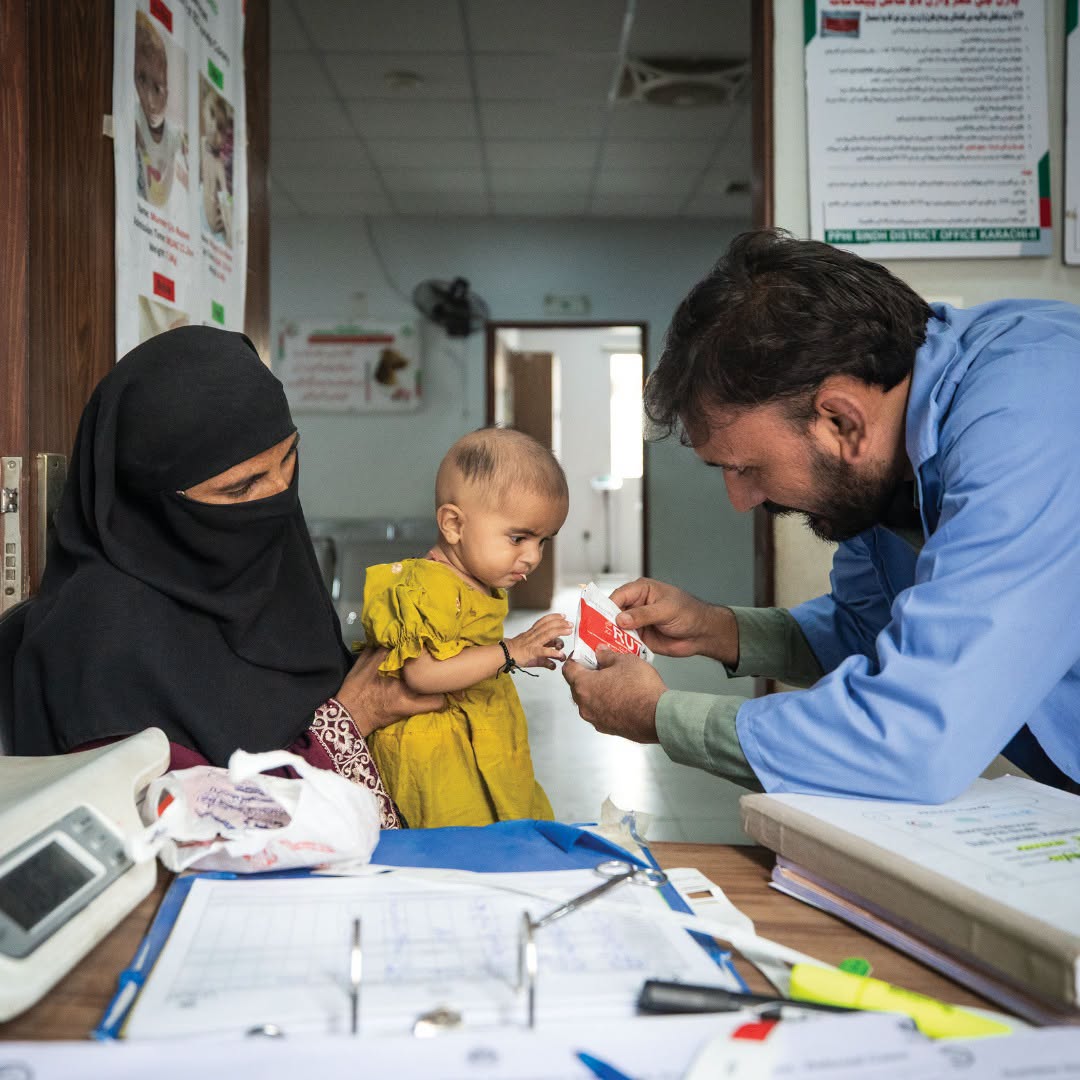
3. Polio Plus in Pakistan
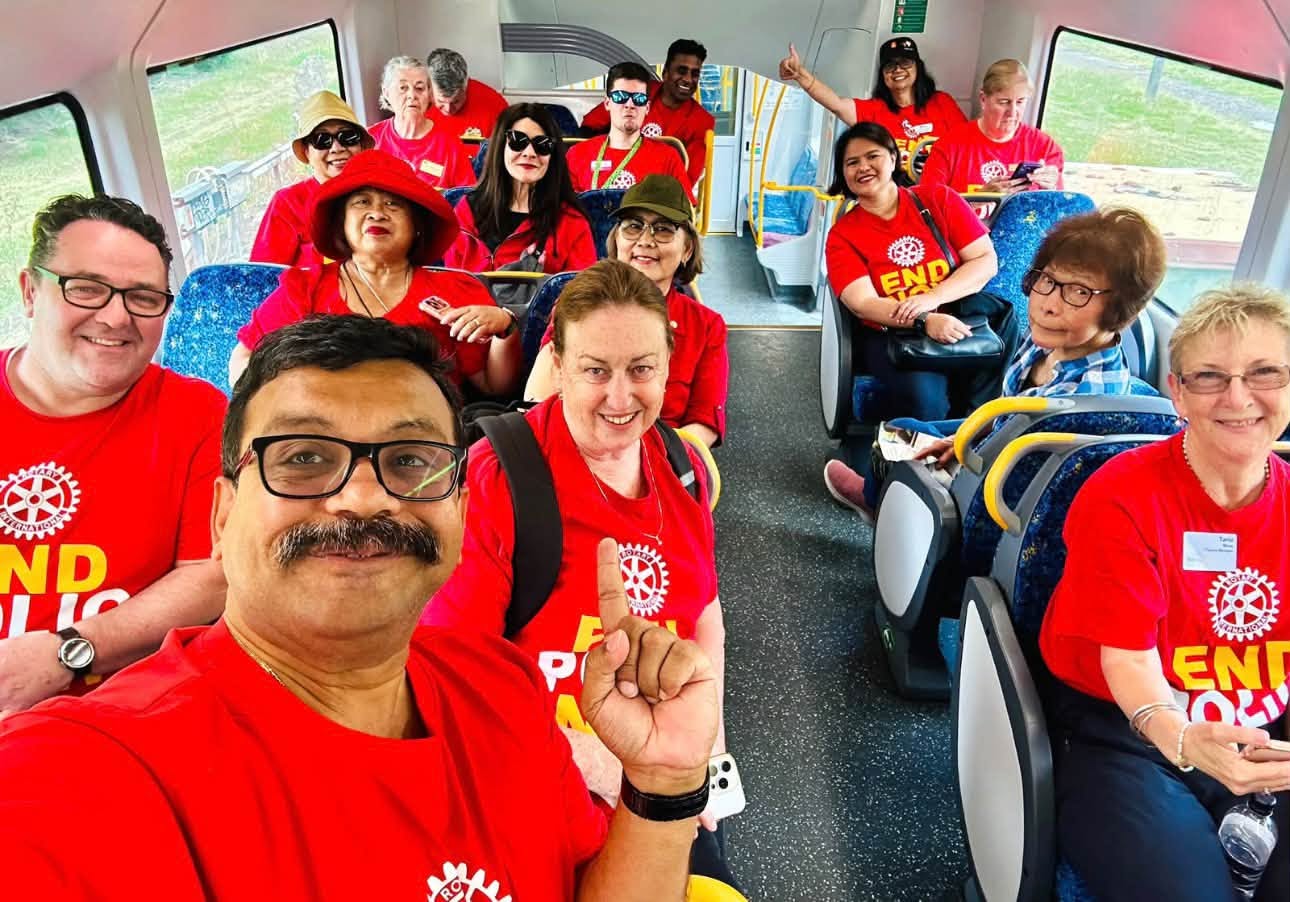
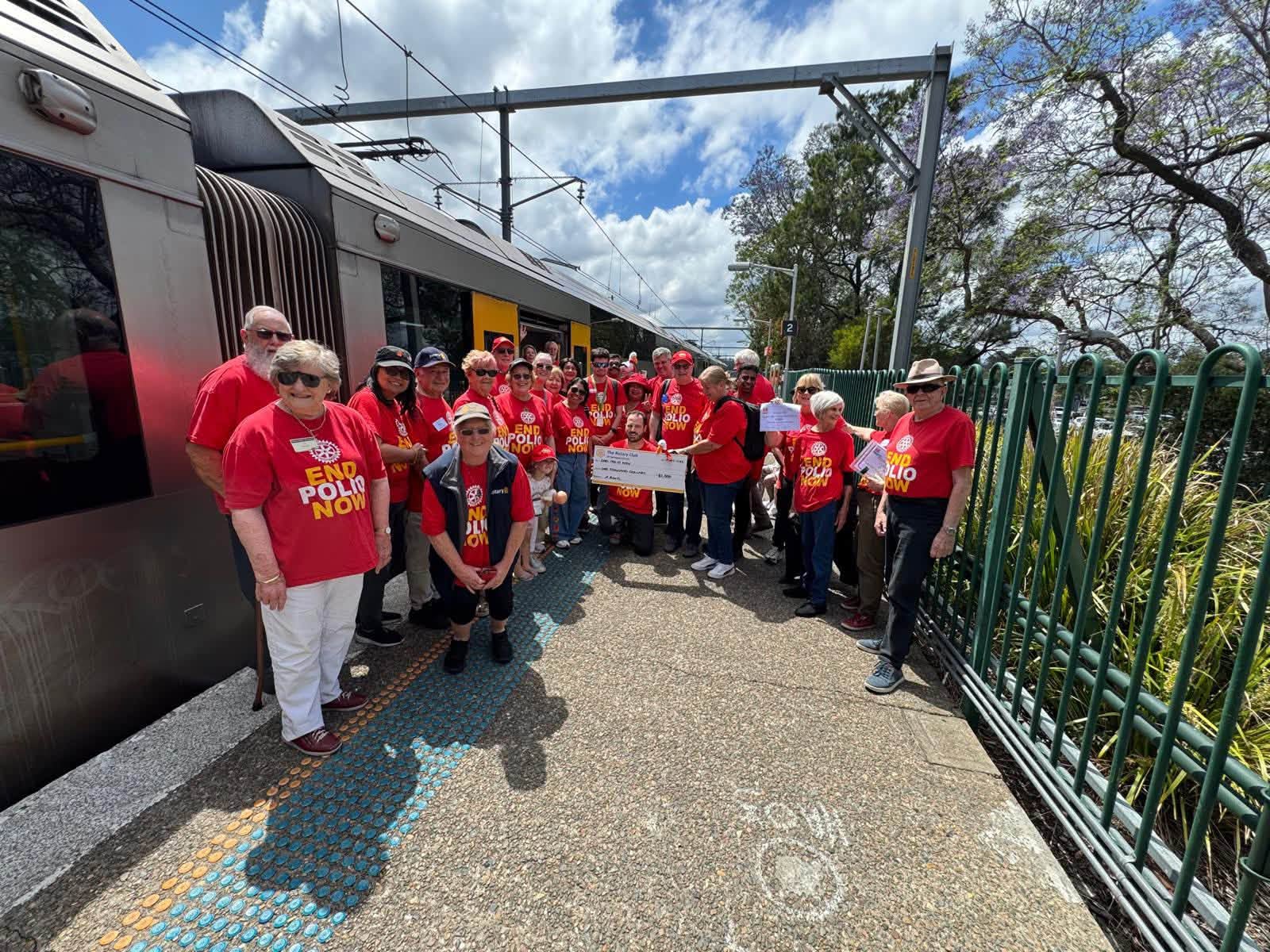
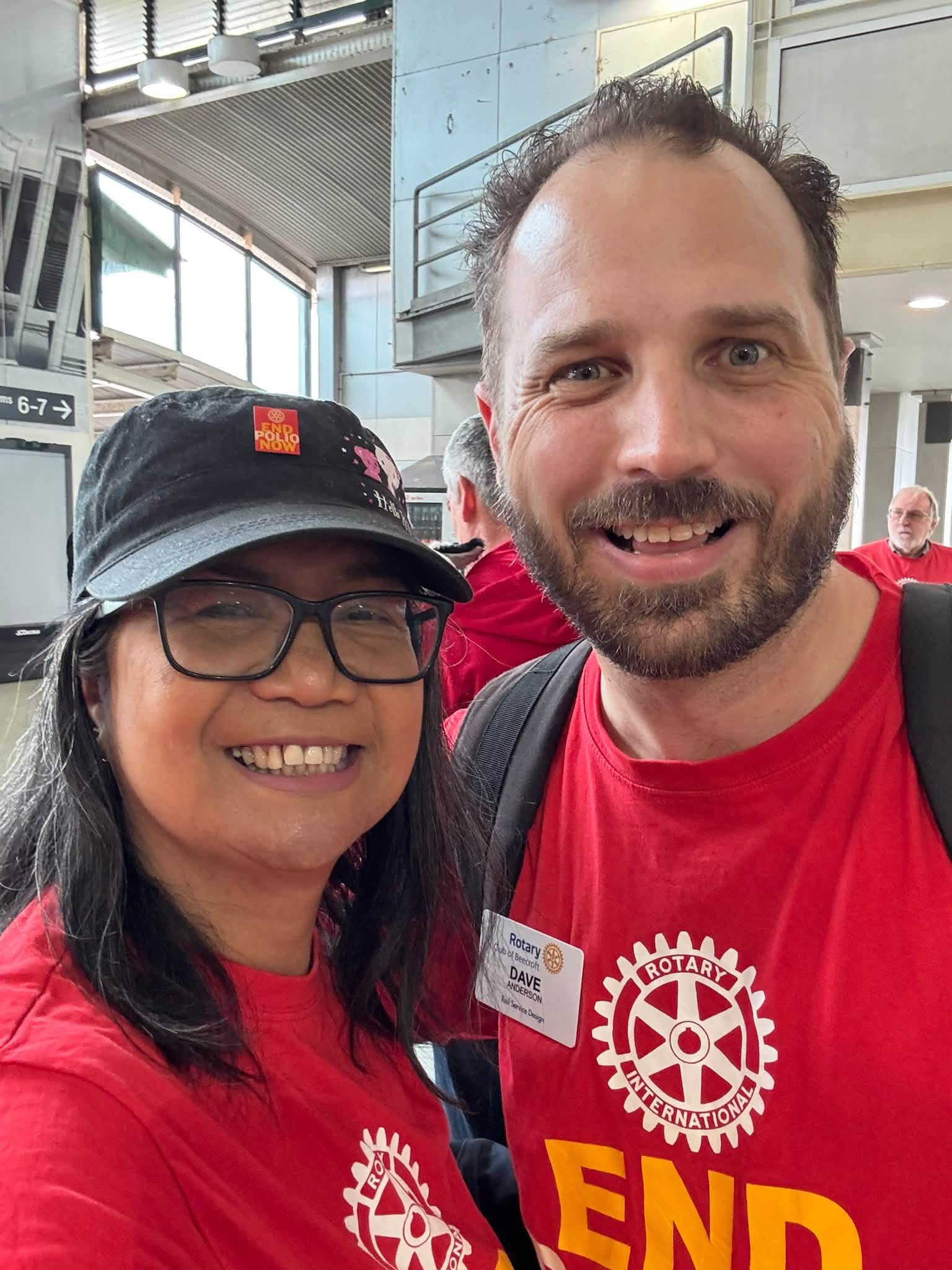
4. From Cronulla to Tallawong
The RC of Norwest Sunrise:
5. The Past and Why Polio must be Eradicated.
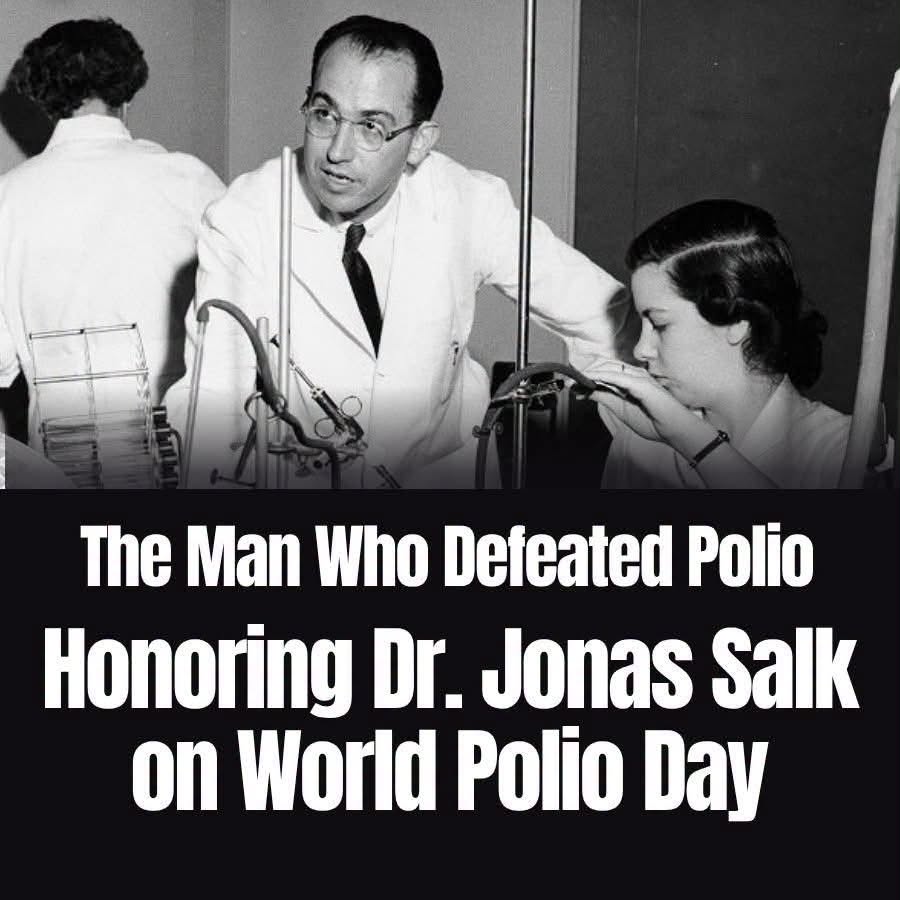
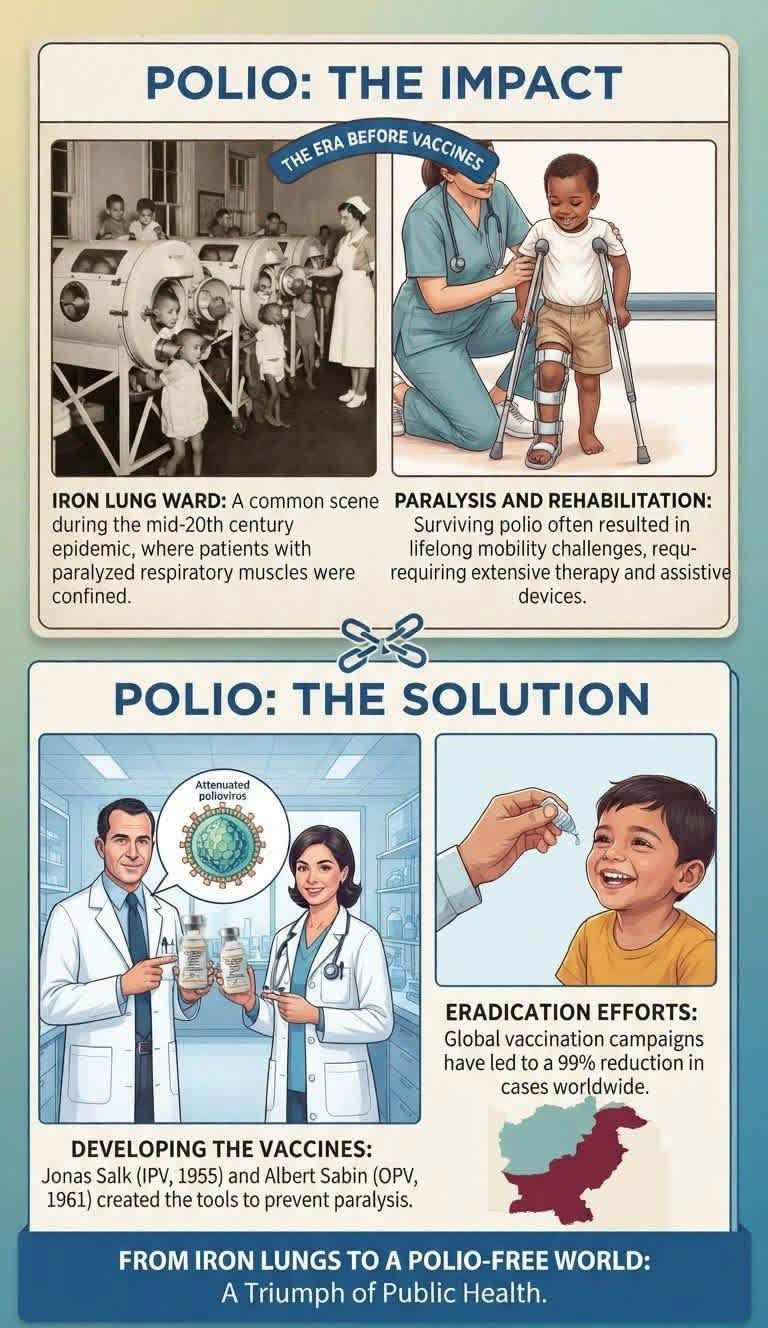
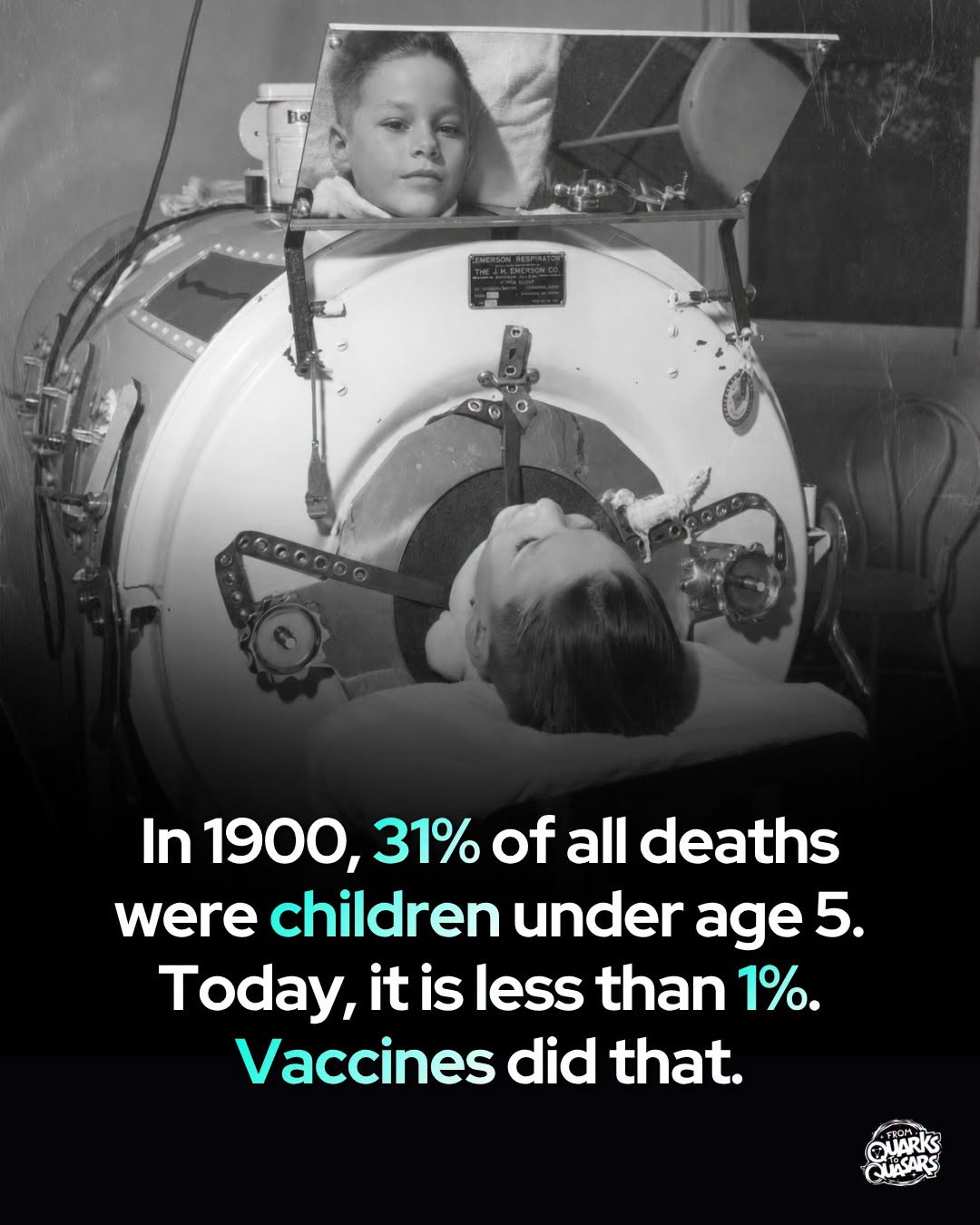
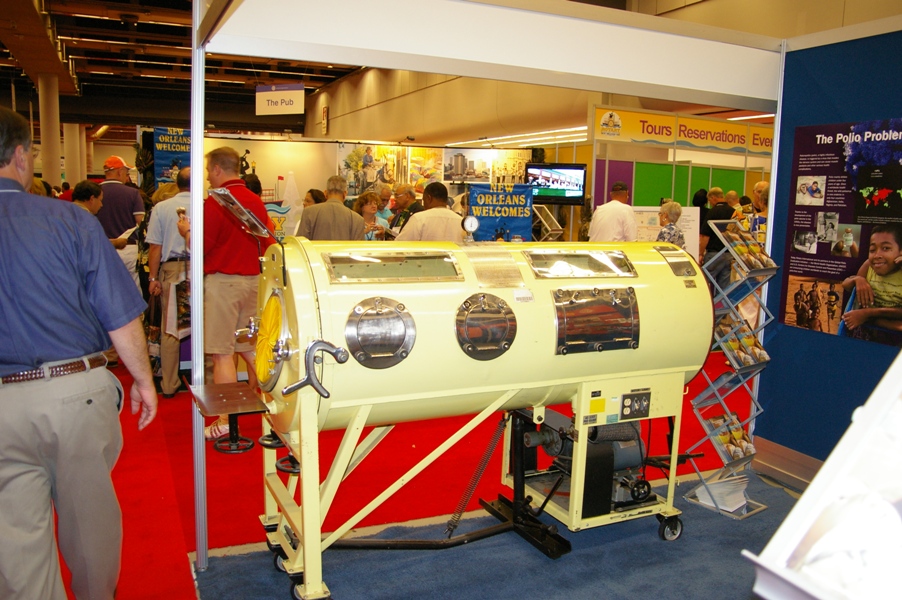
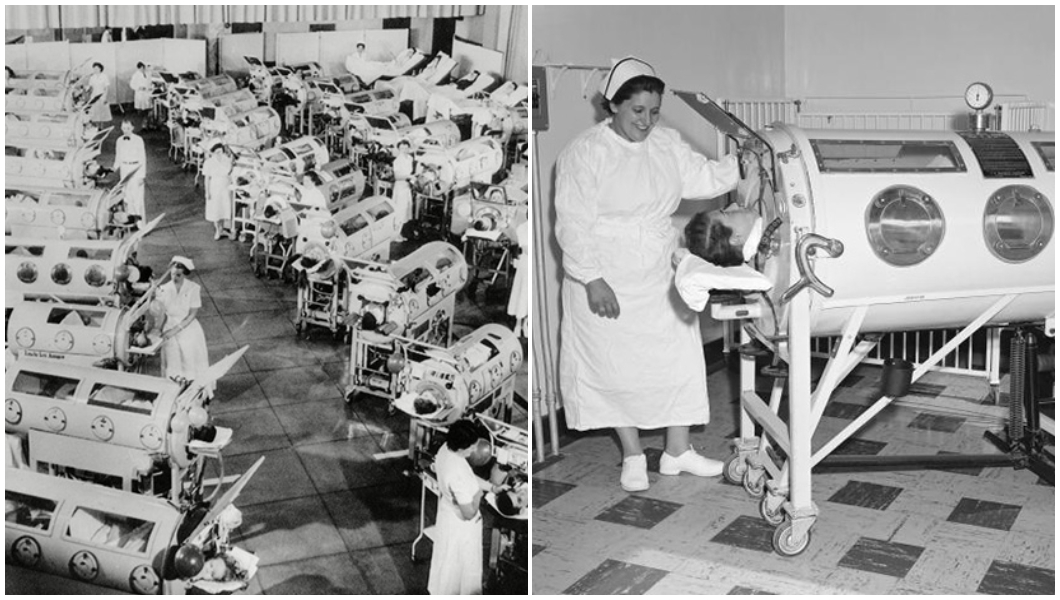
Before the poliomyelitis vaccine as developed by Dr Jonas Salk in 1955, there was no way to prevent polio from spreading. Those 10% of us who contracted poliomyelitis had to breath and live in an iron lung for the rest of their lives.
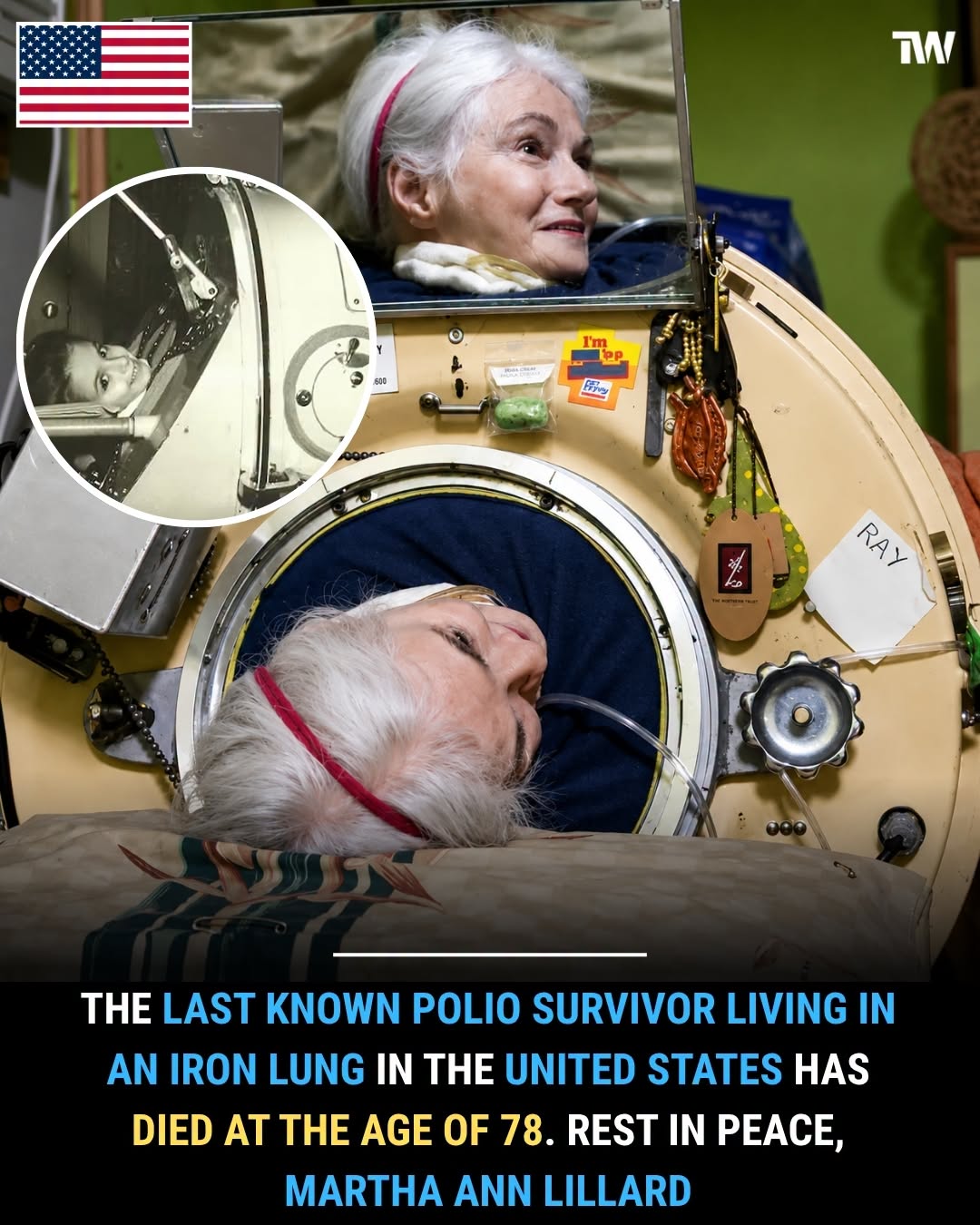
Martha Lillard had just turned 5 when she was diagnosed with polio and depended on an iron lung to live. She died June 26 in Oklahoma, the last U.S. polio patient who used the machine, her sister said. She was 78.
6. District 9700 2019 Conference and Polio Plus.
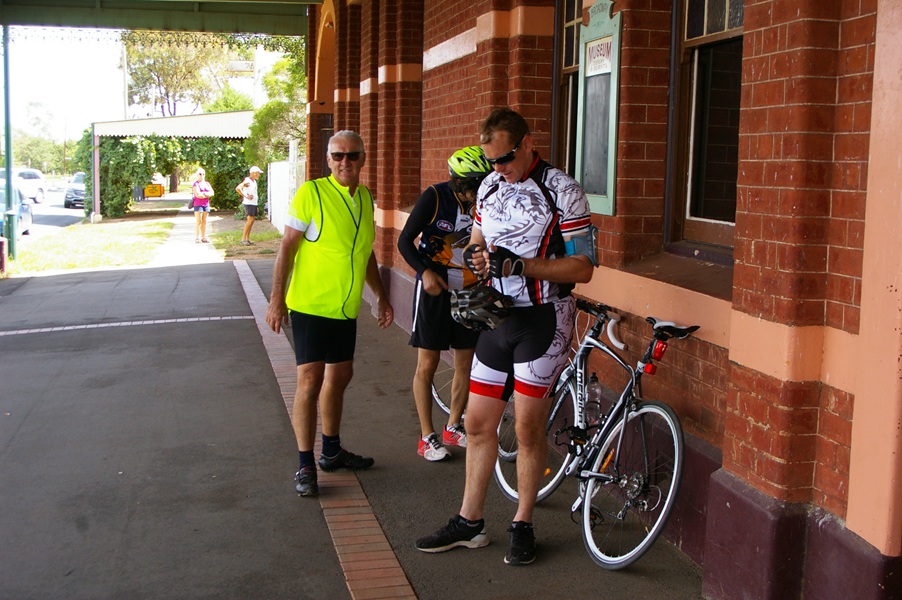
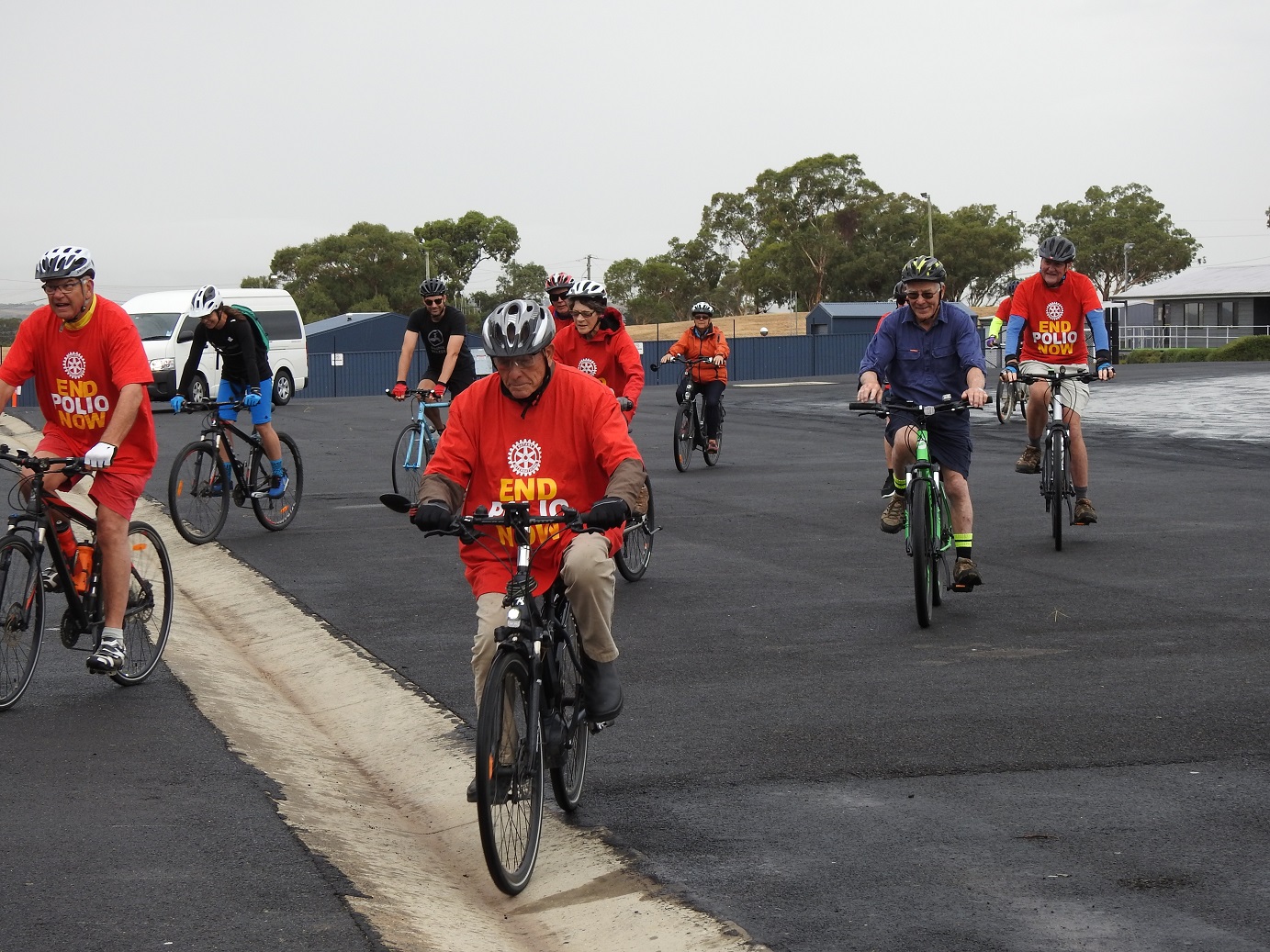
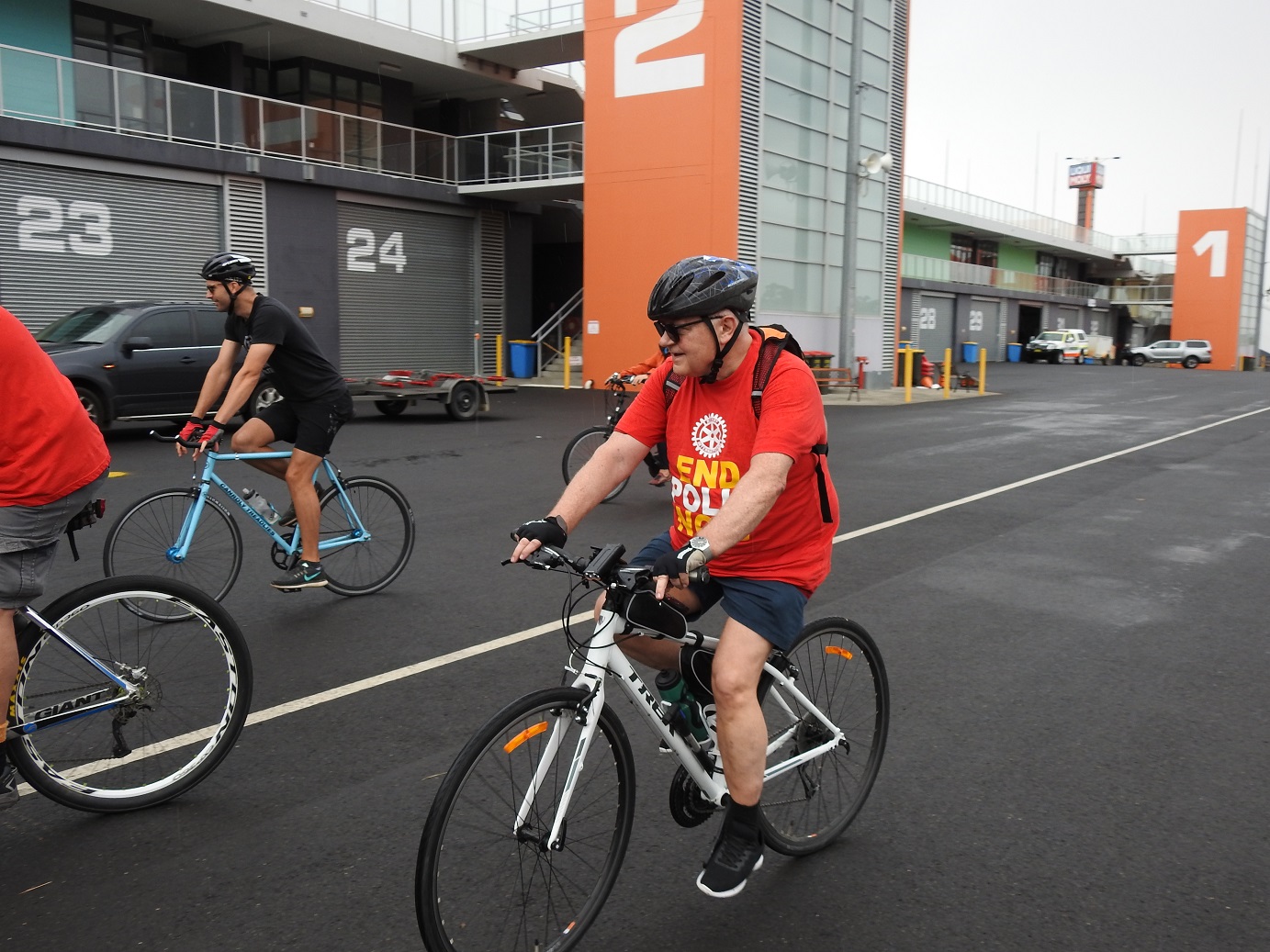
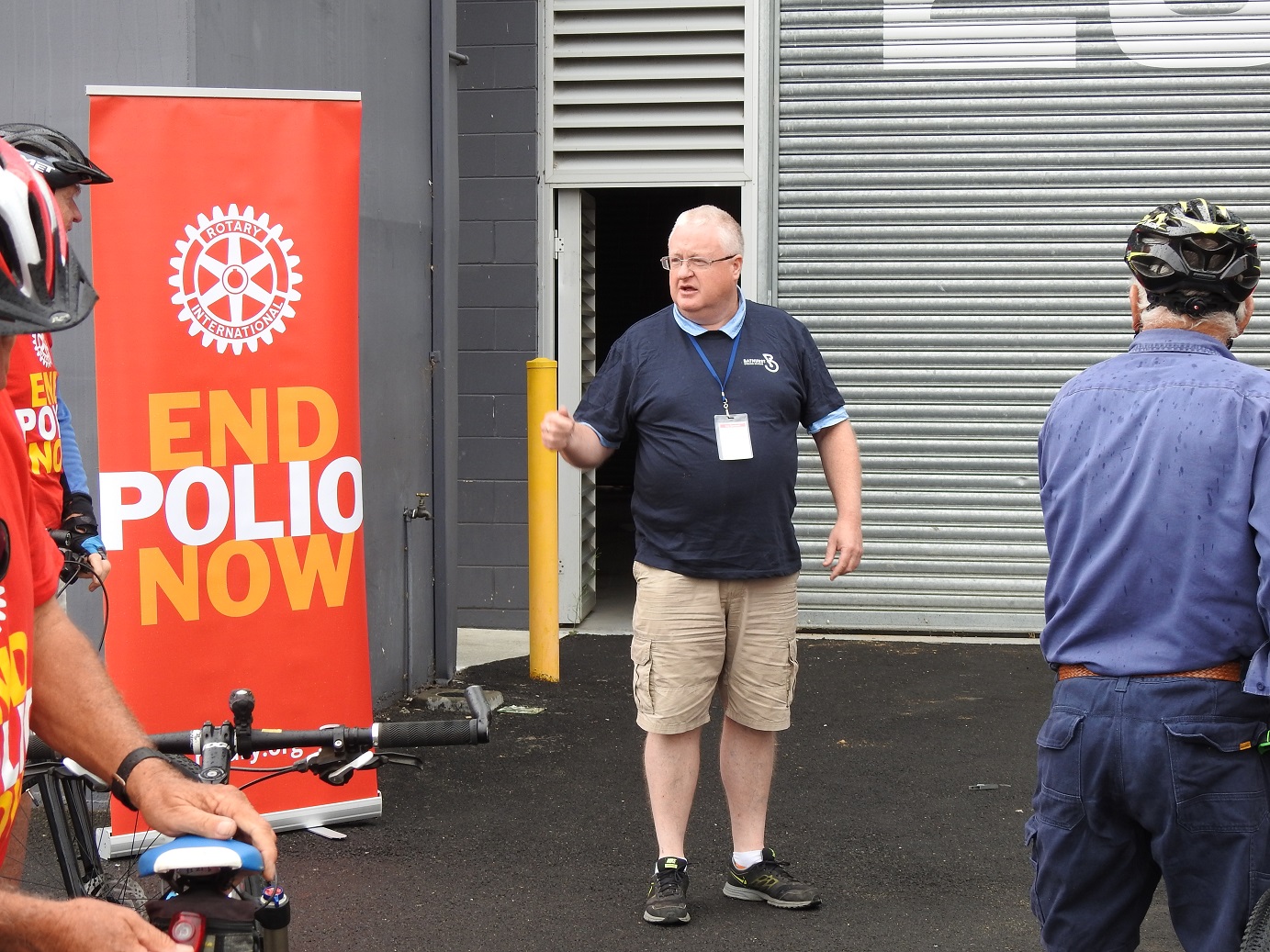
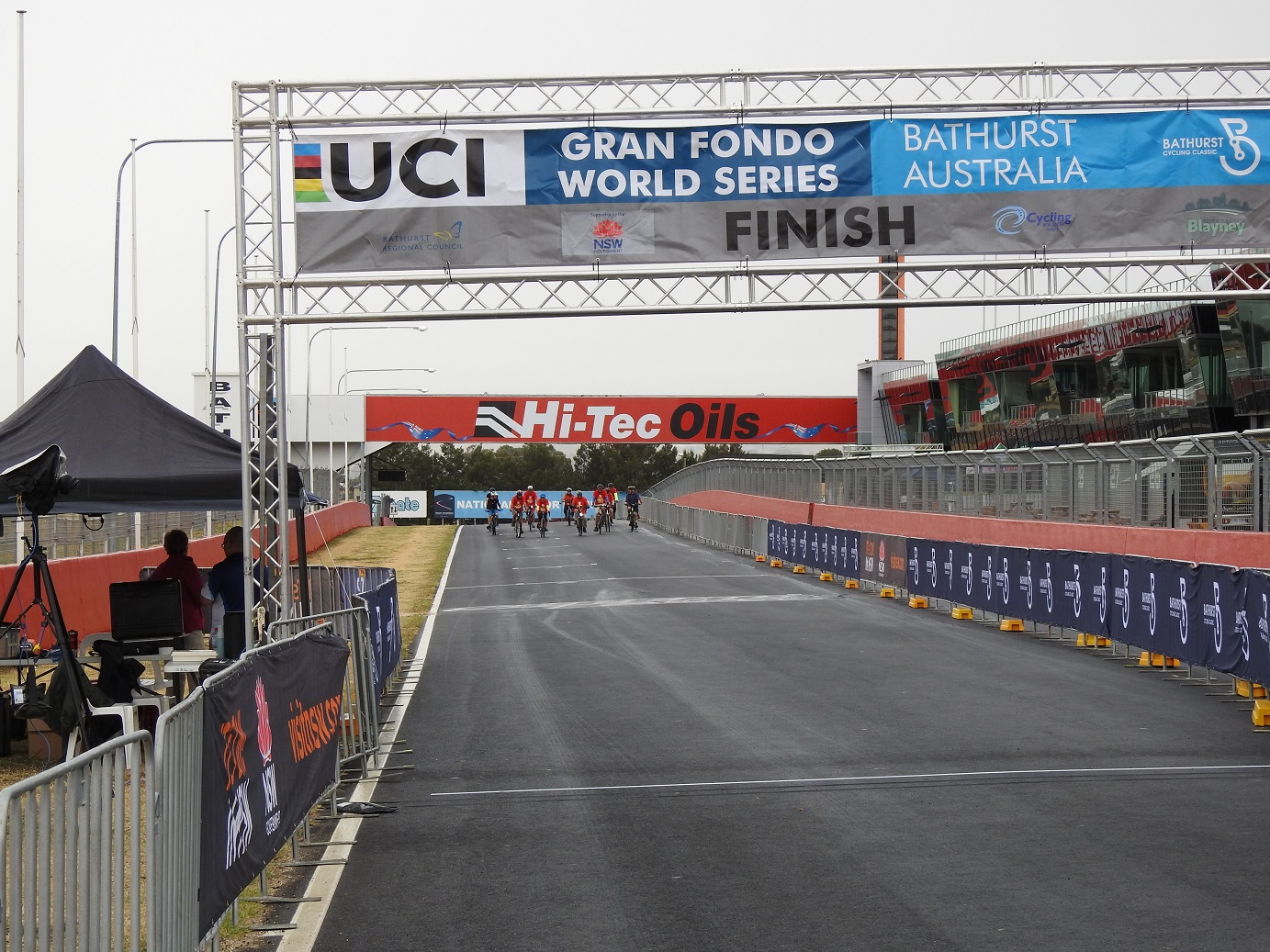
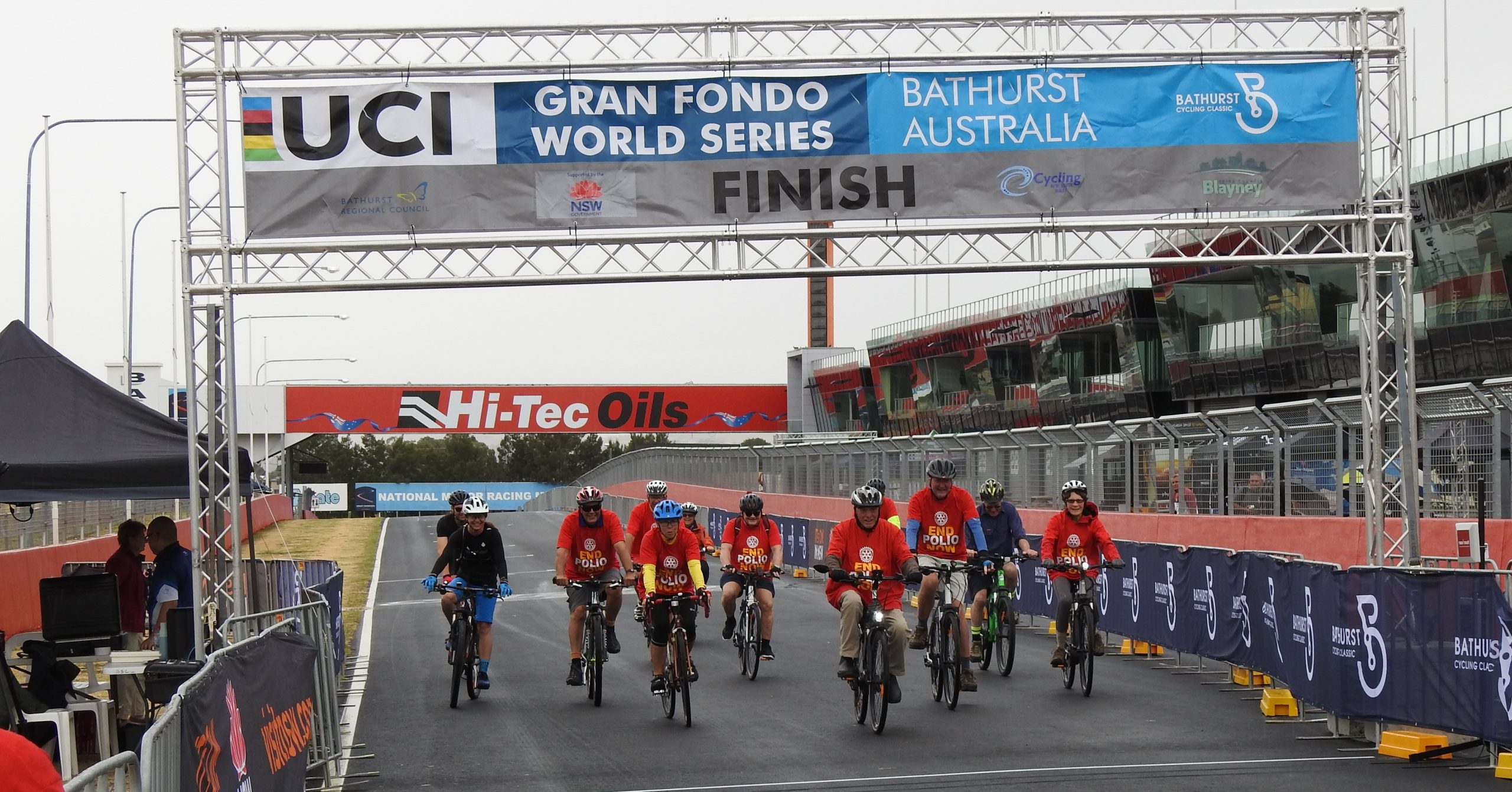
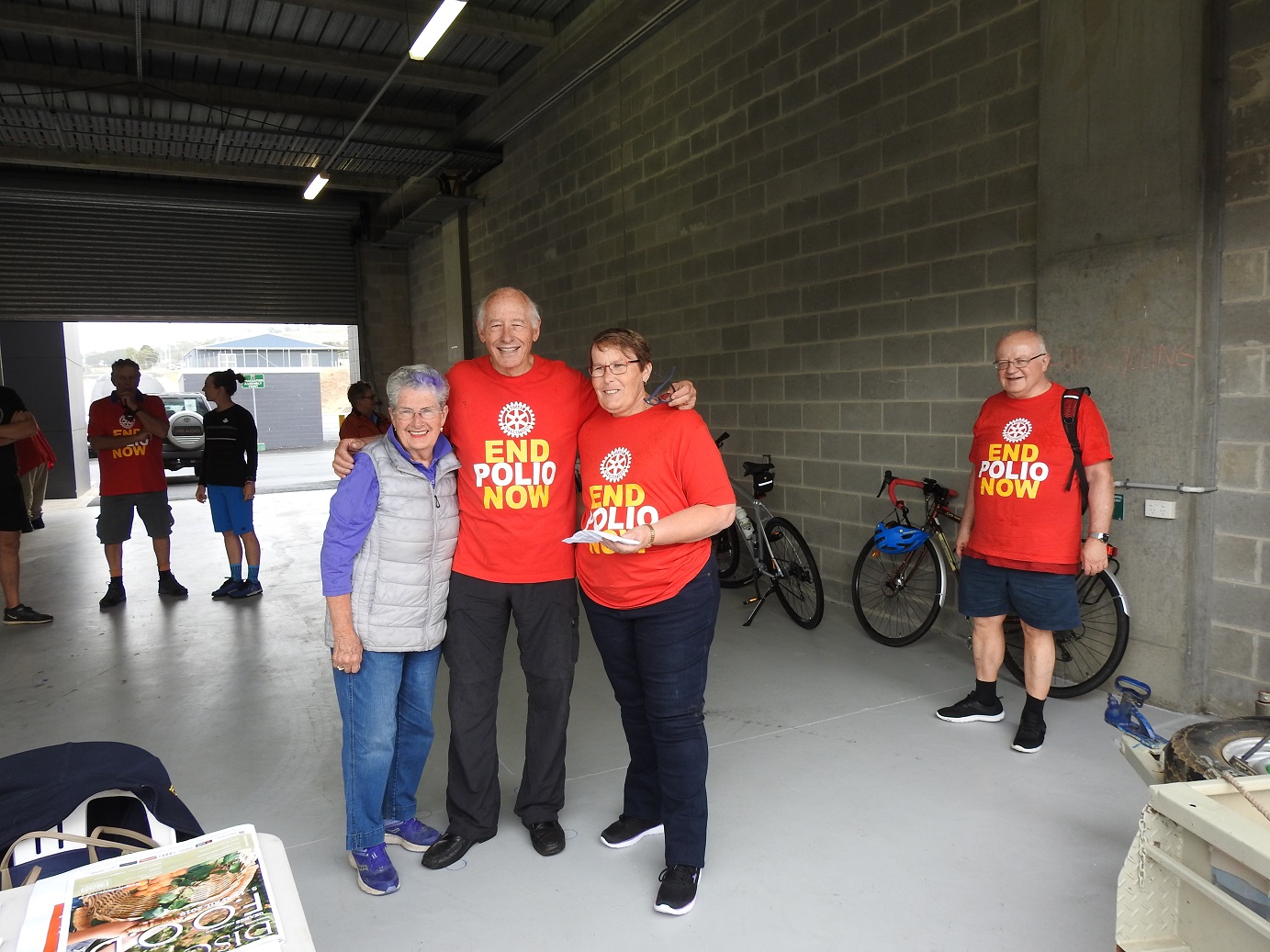
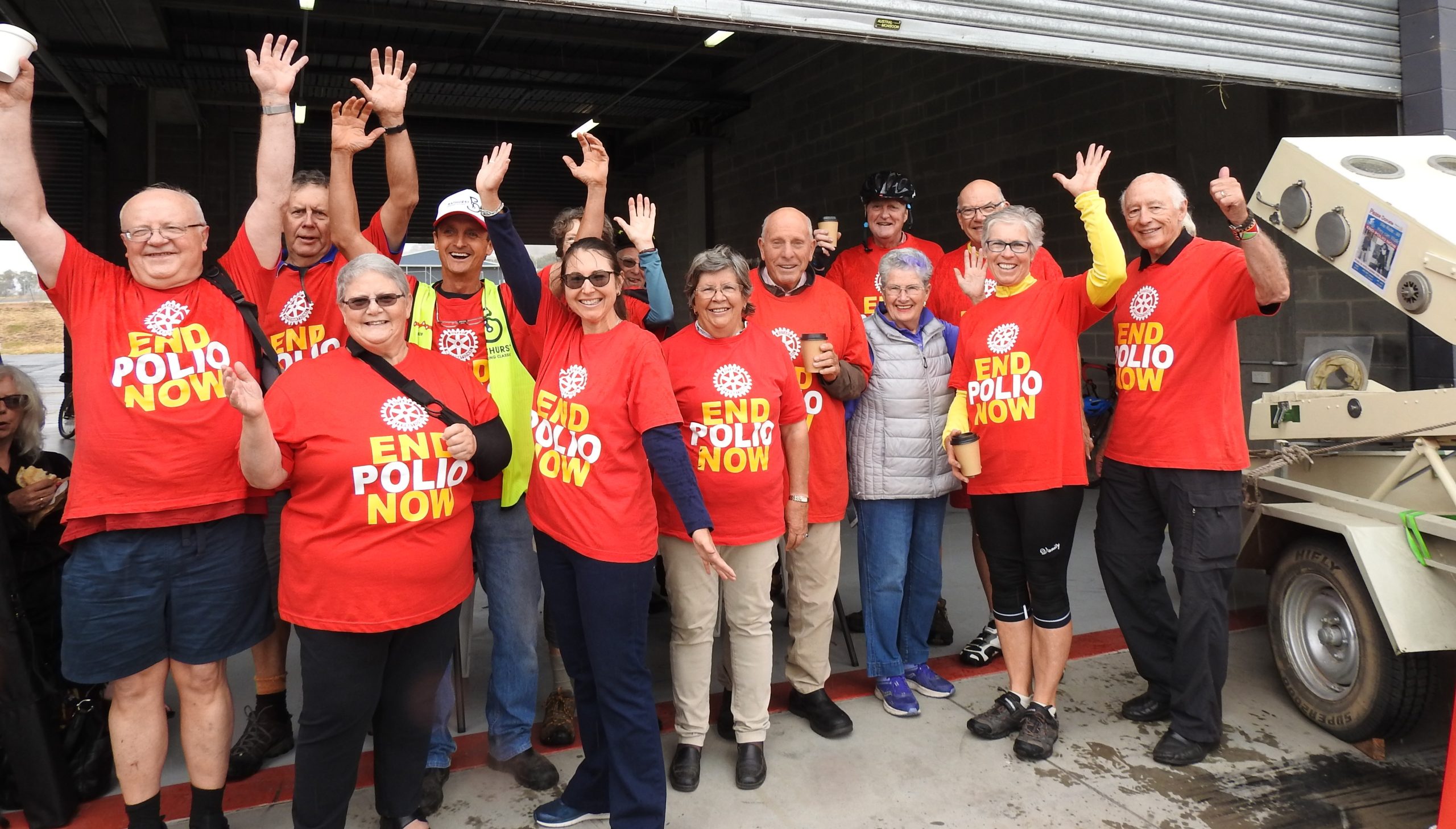
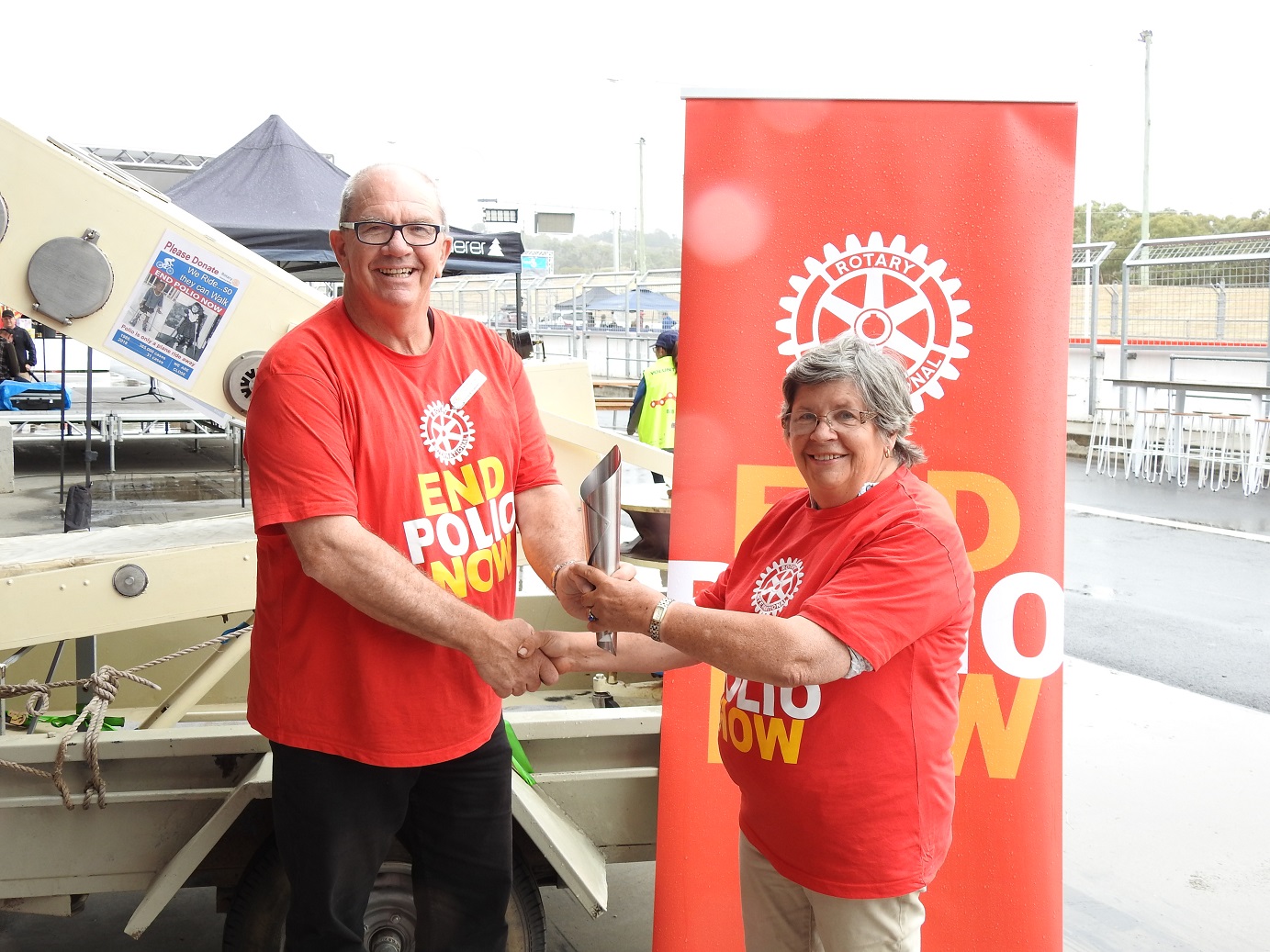
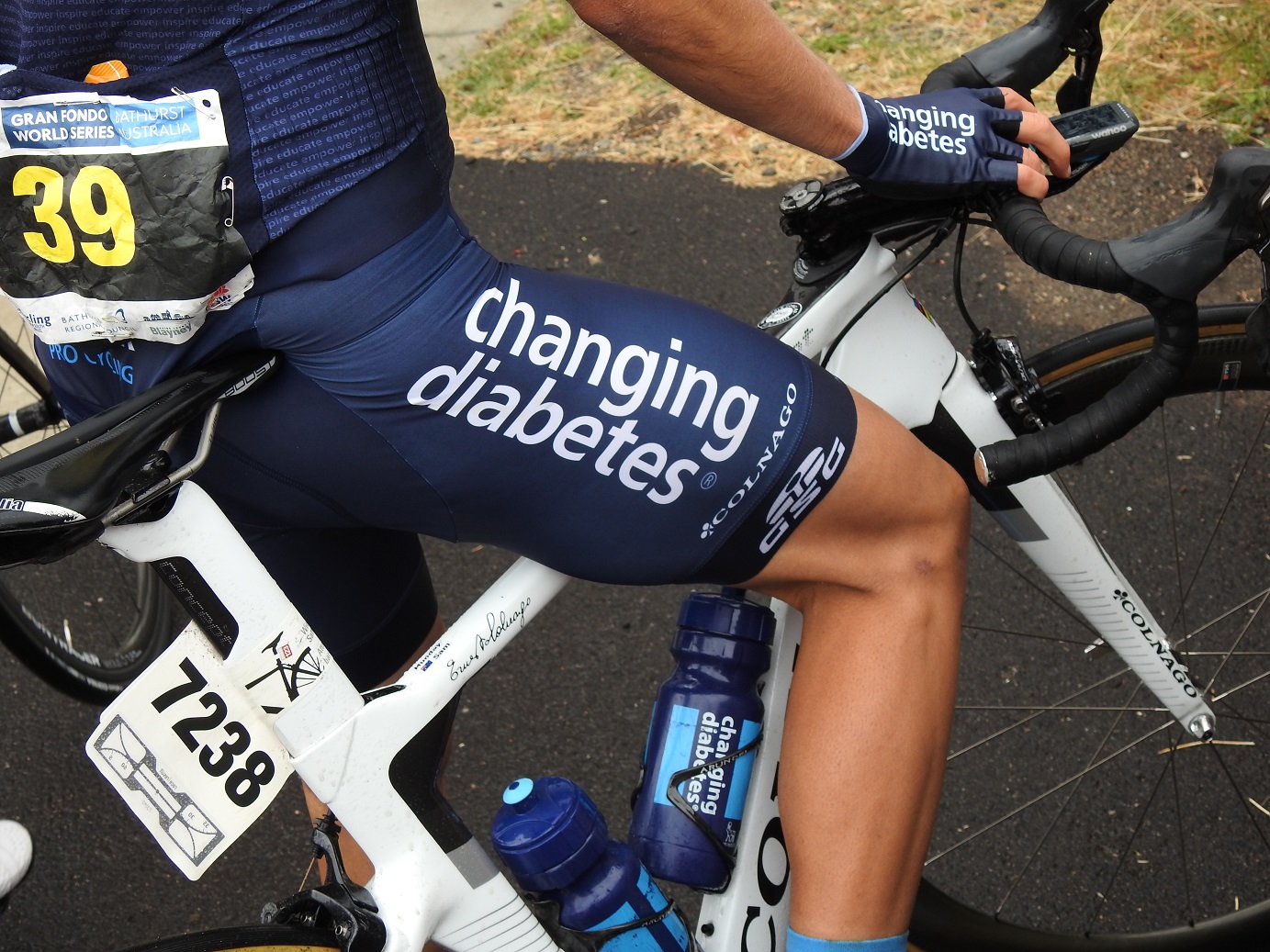
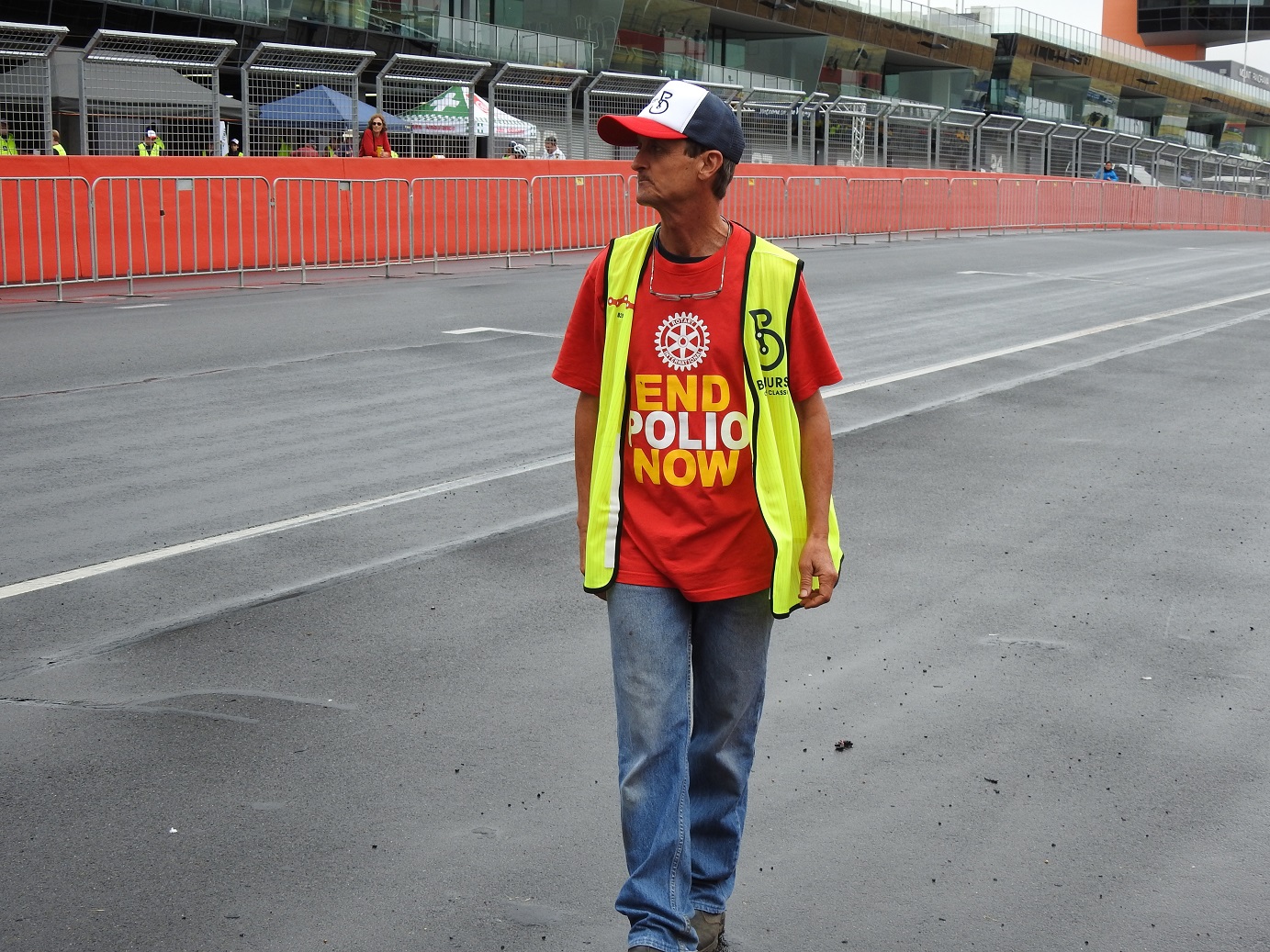
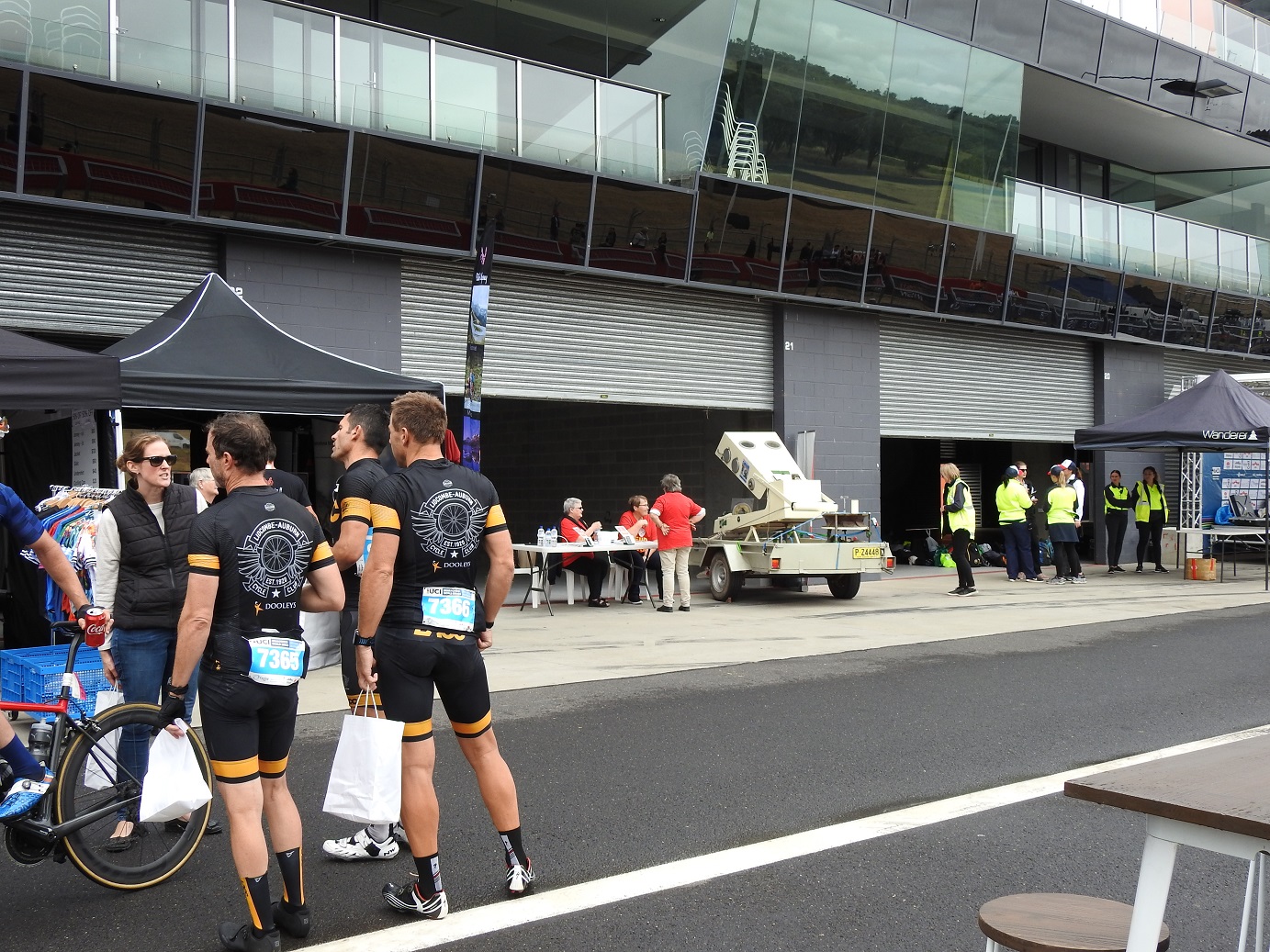
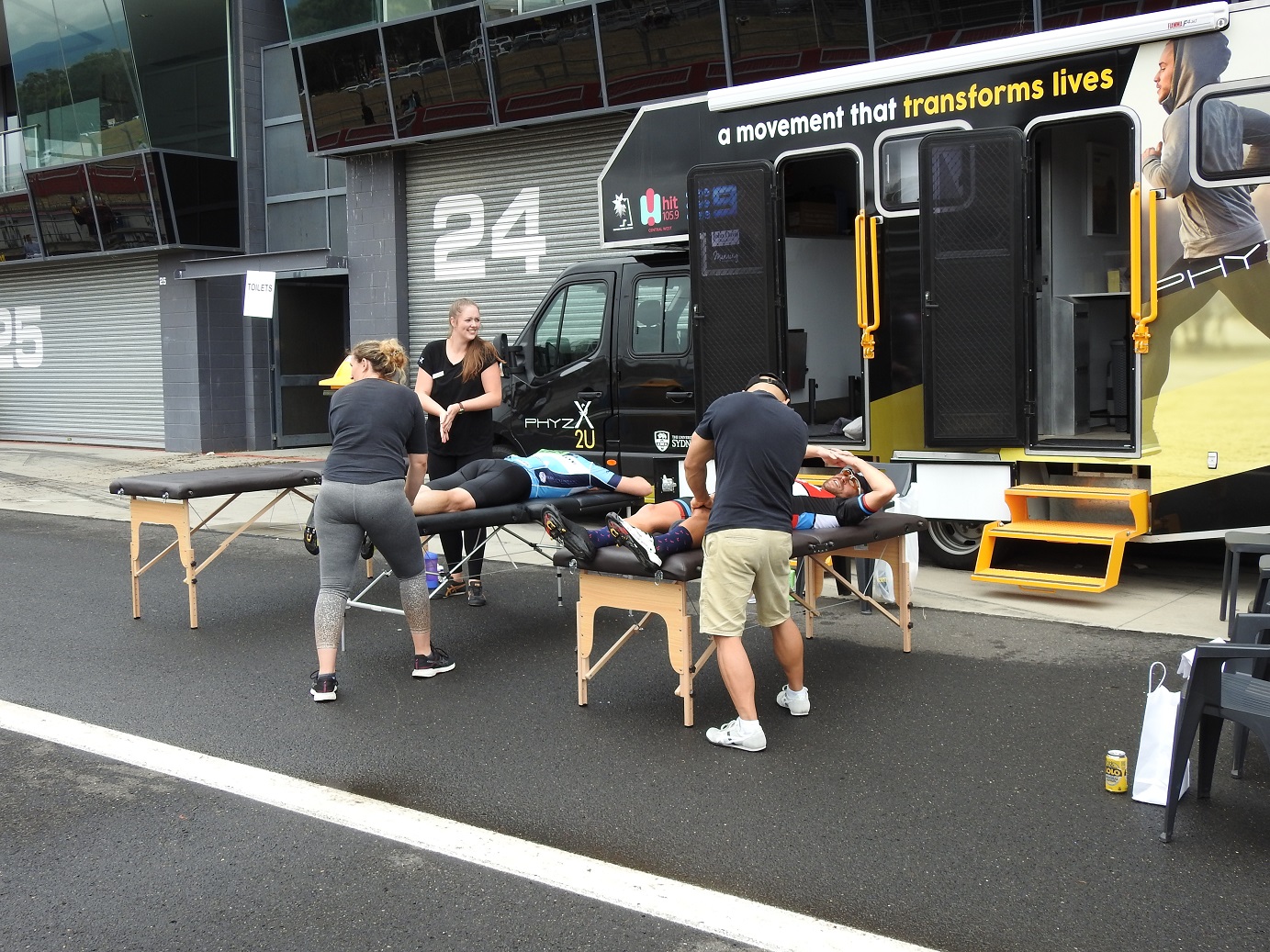
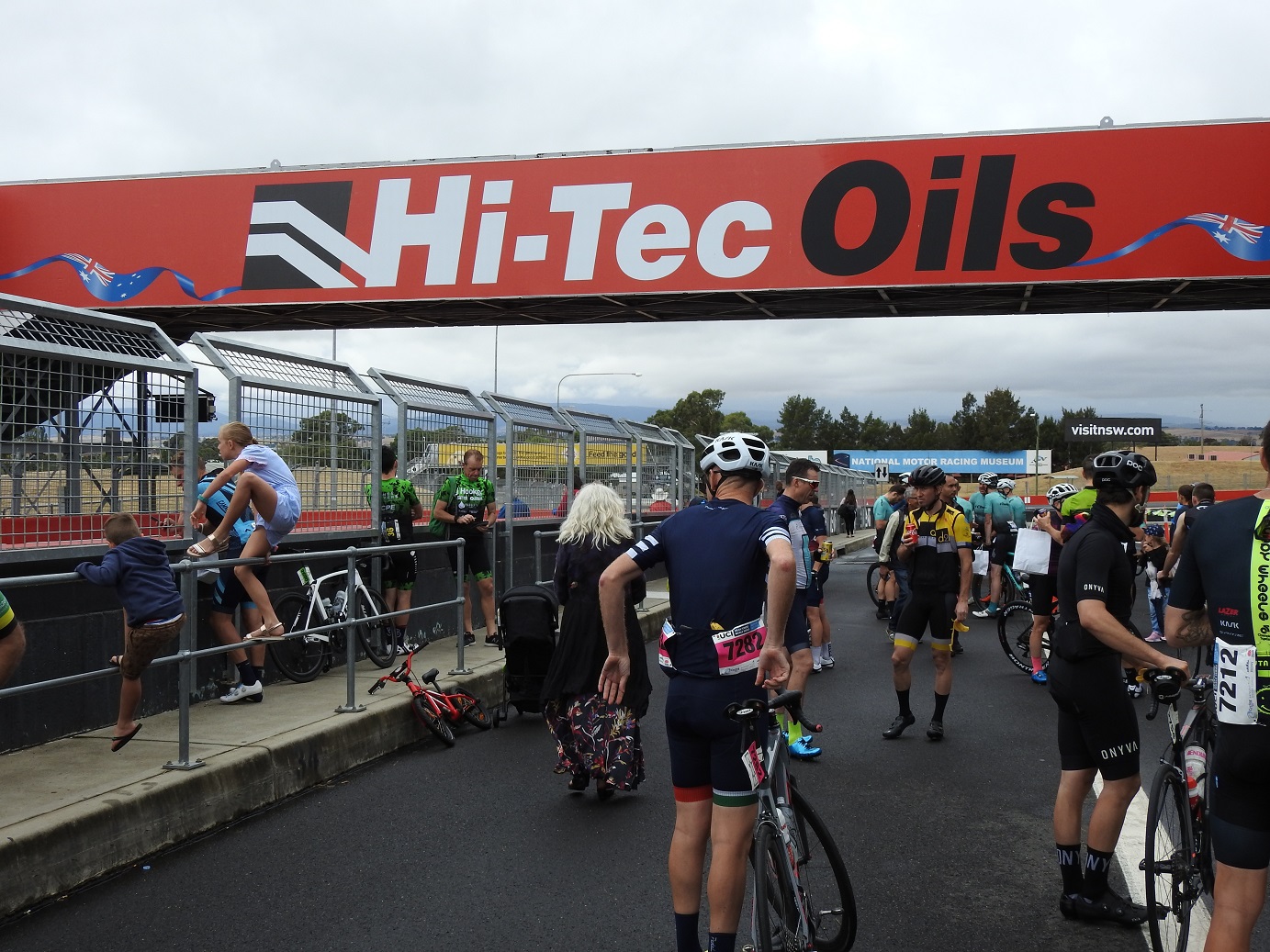
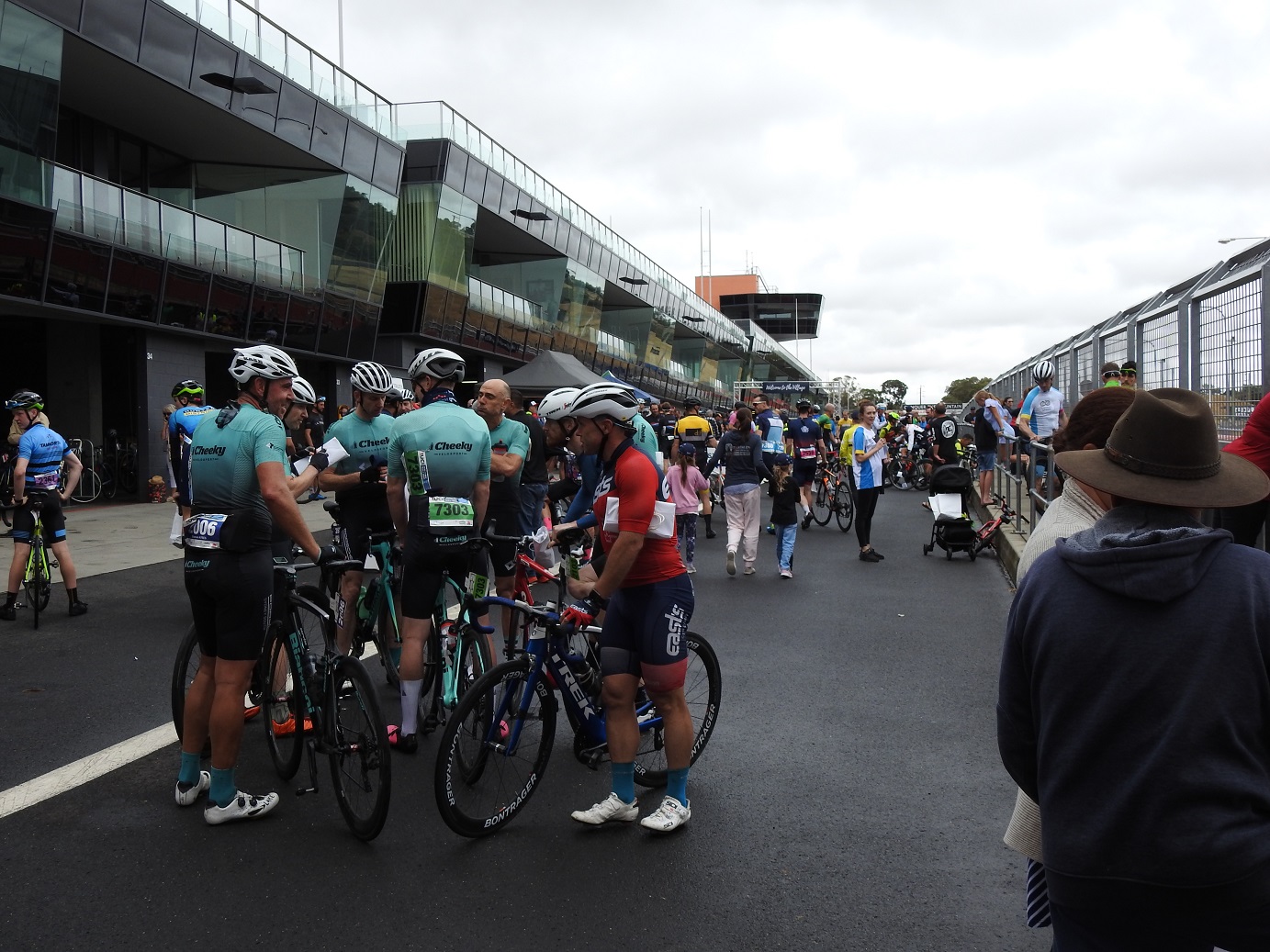
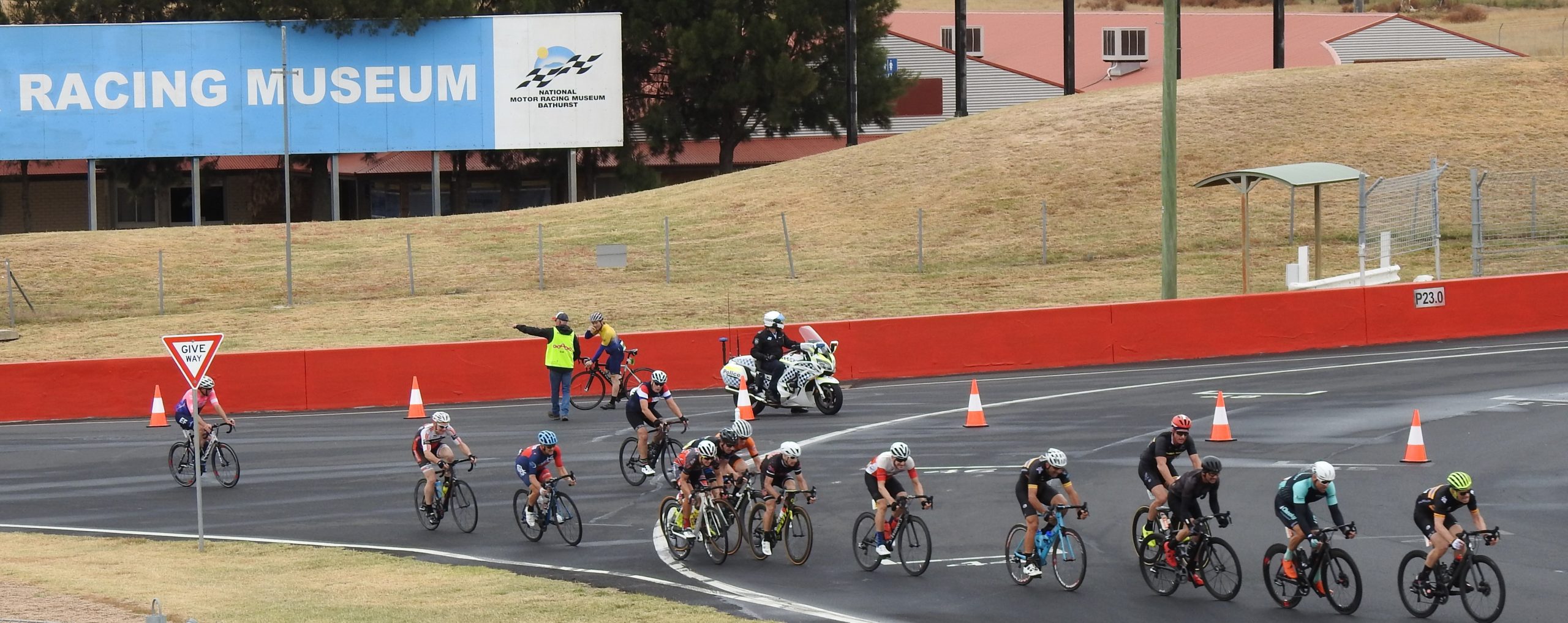
The last time that I did something for PolioPlus was when I was District Governor for 9700. We organised for an Iron Lung that I found in Griffith, to be accompanied by bike riders in a relay around D9700.
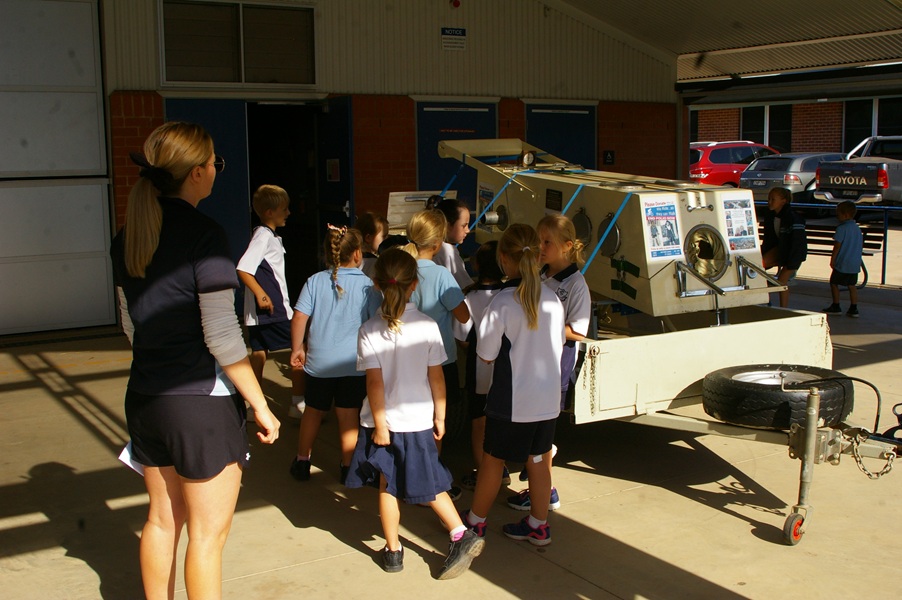
This at Bathurst with the RC of Oberon riding from Oberon to Mount Panorama in Bathurst.and the Bathurst RCs:
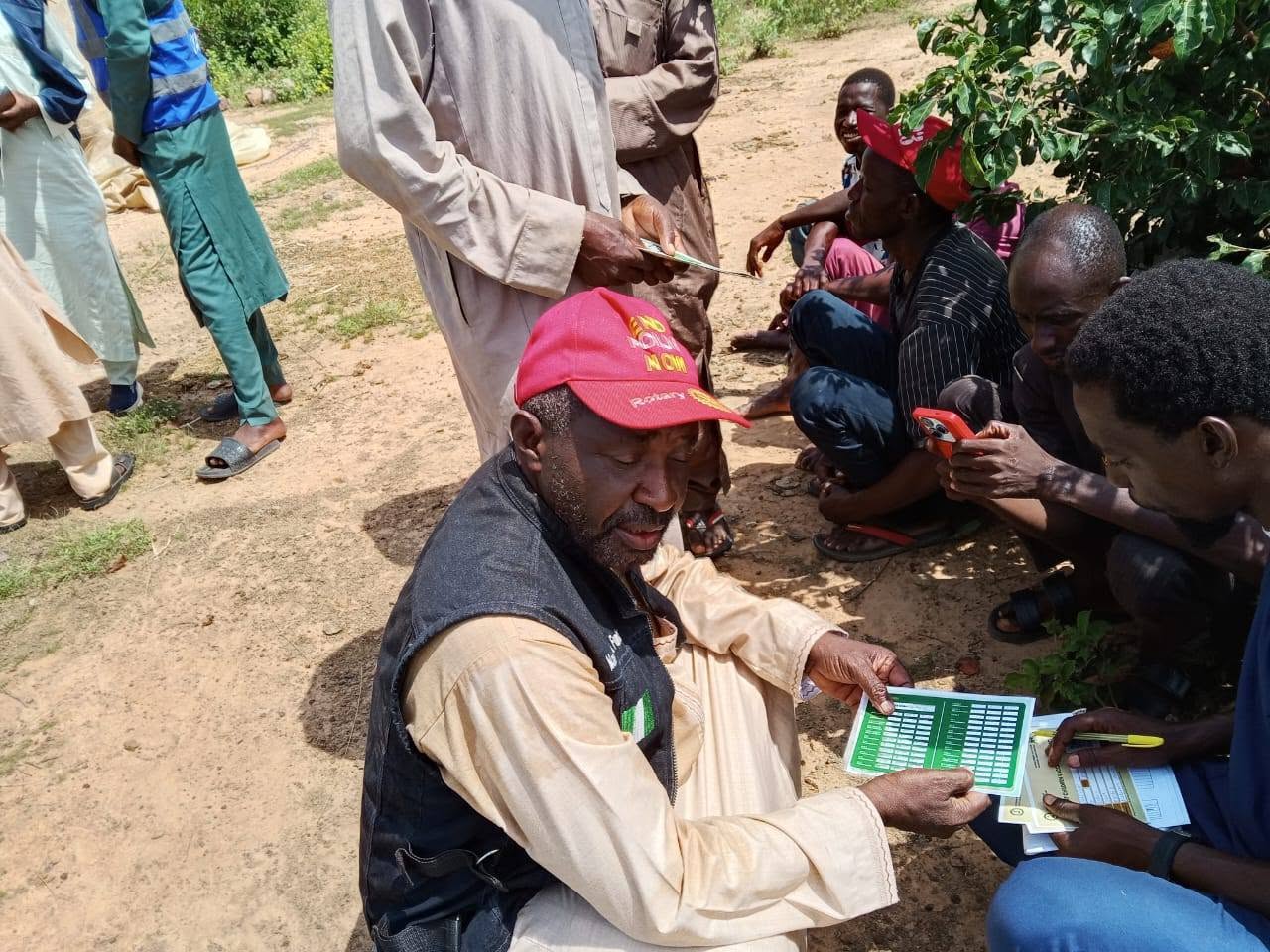
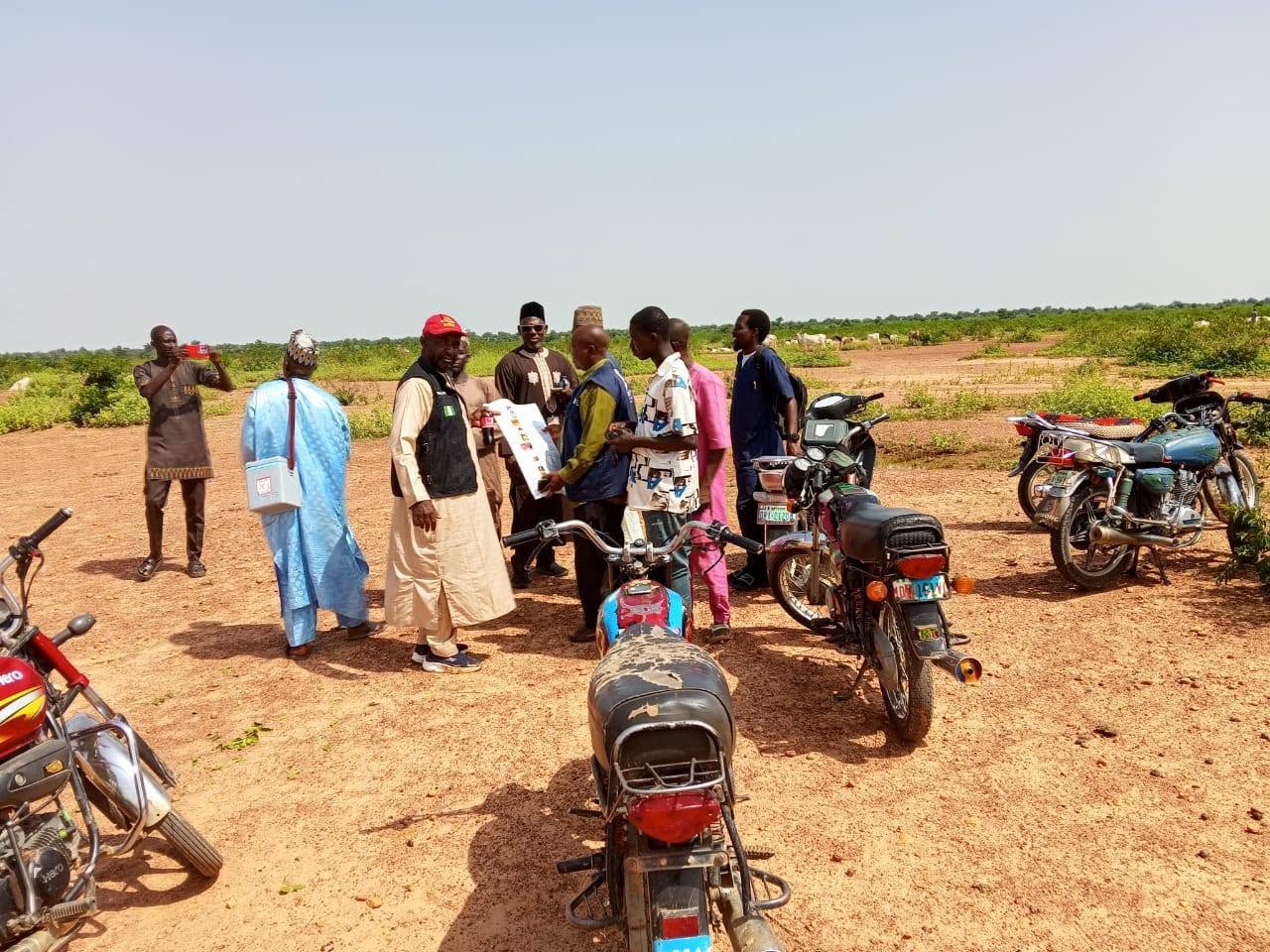
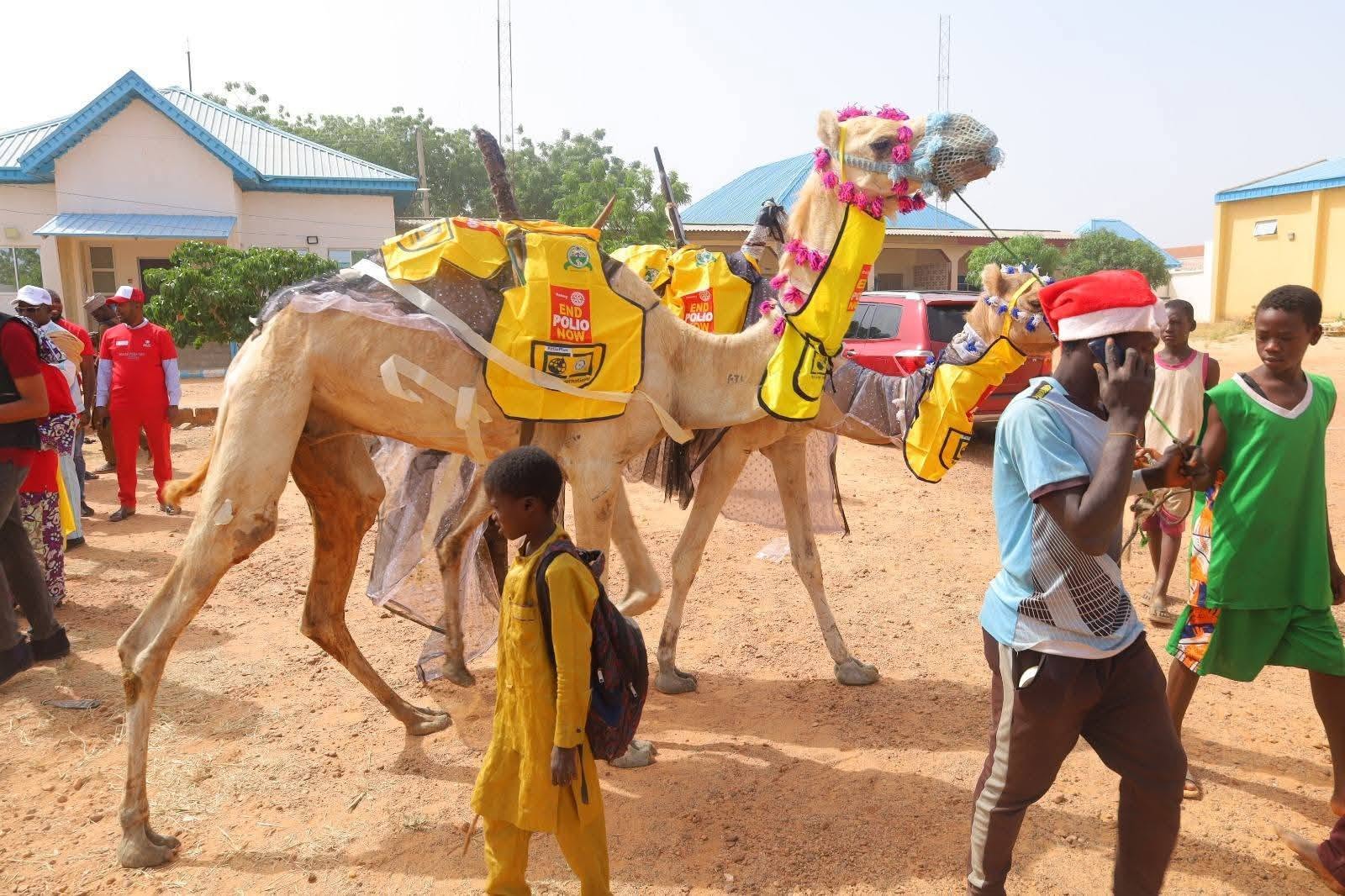
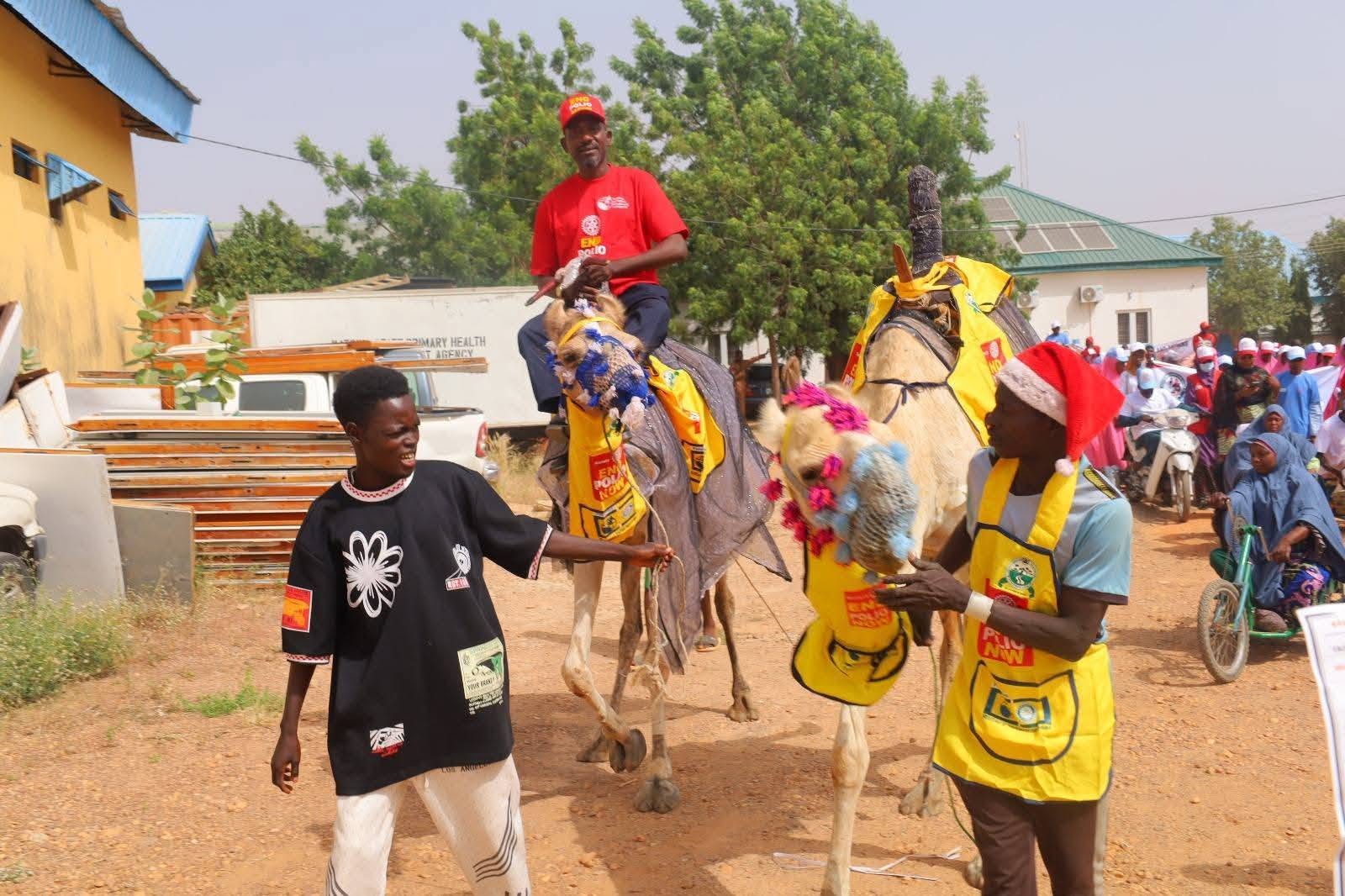
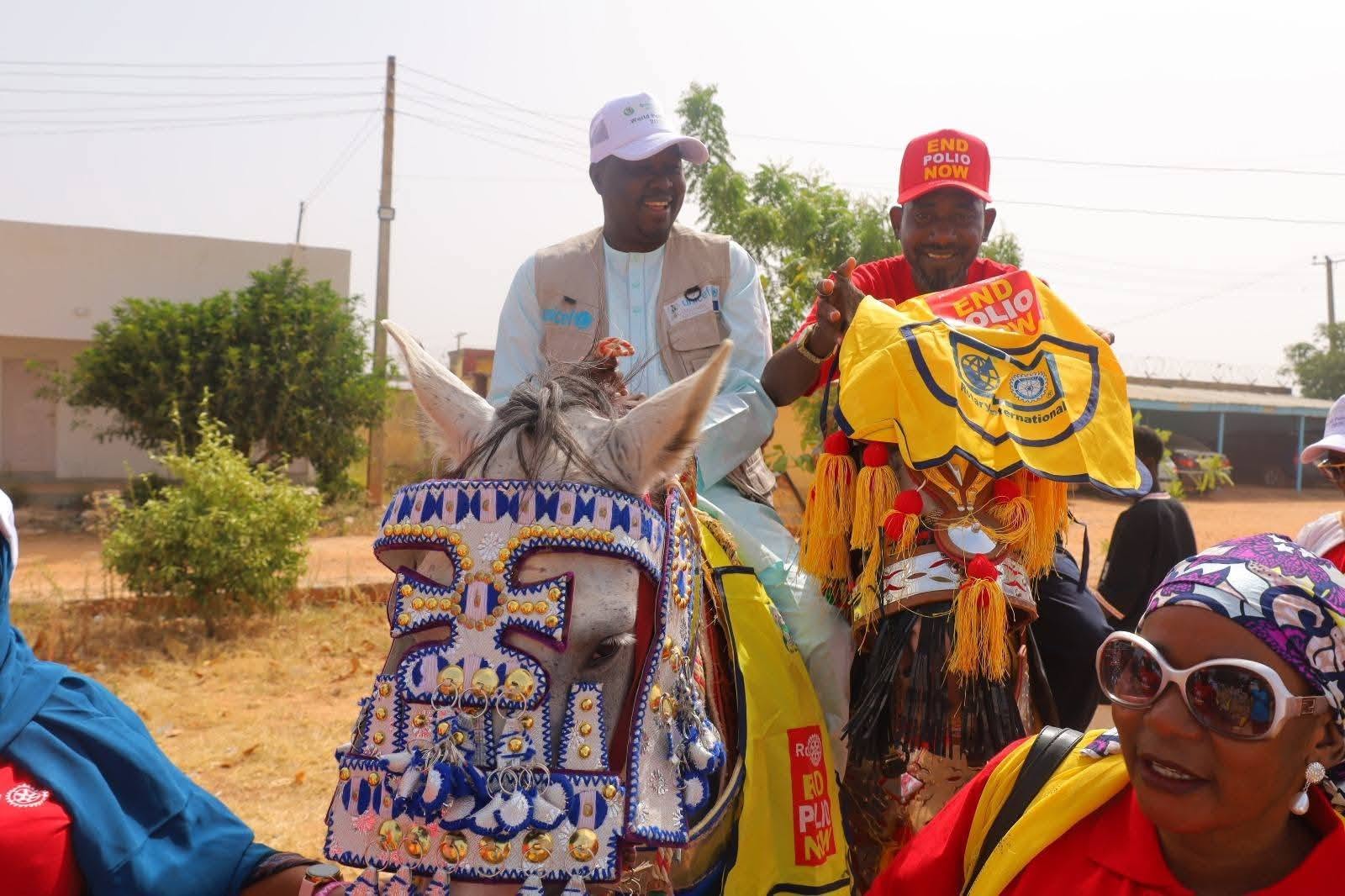
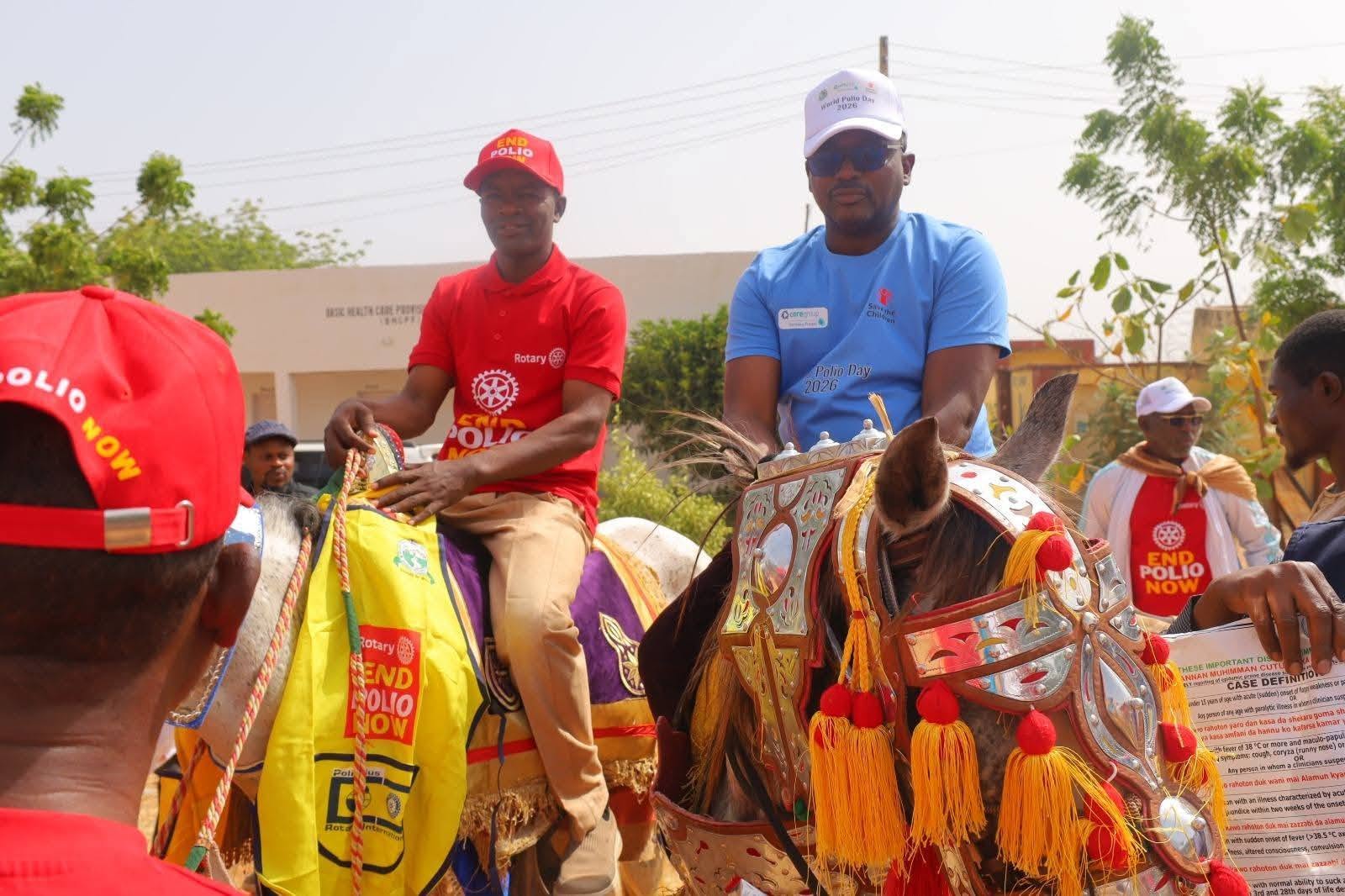
7. Nigerian Camels for PolioPlus
POSTSCRIPT
Let us come up with a great idea and event for the next World Polio Day on October 24th 2027! Some of you may or may not know that I contracted poliomyelitis when I was a boarding school in Nairobi. I was 8 years old and it was 1952. My Mother, a nursing sister from WW2, took me out of the sick bay and brought me home to our coffee farm. It is here that she nursed me until I fully recovered. I was lucky in that I was not paralysed in any way. One of the boys who was in the bed next to me at the time ended up in an iron lung and died at the age of 35.
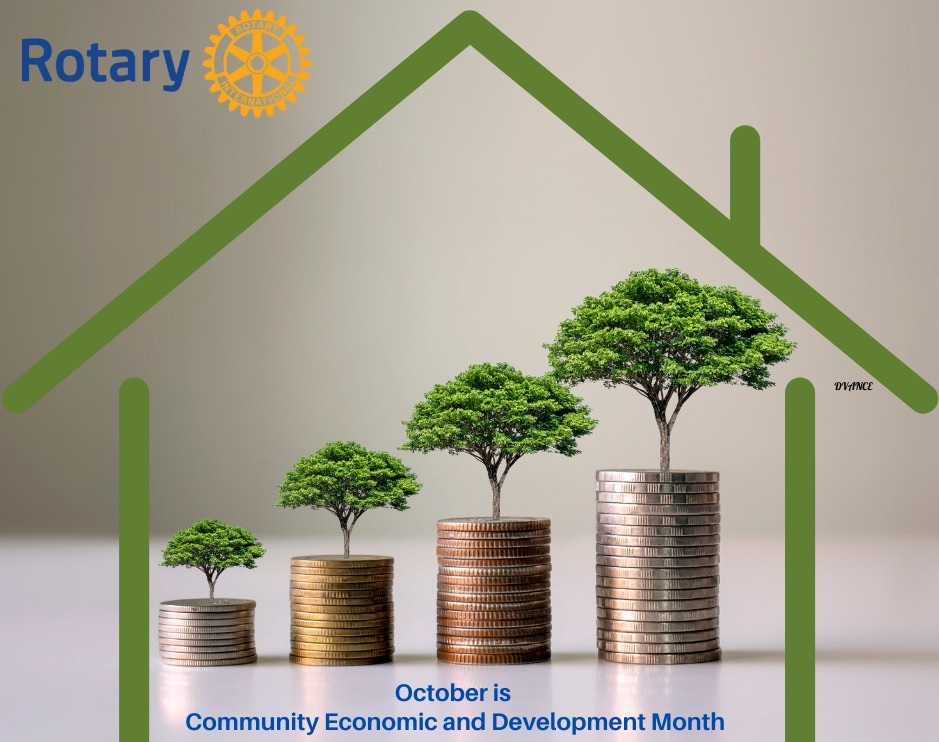
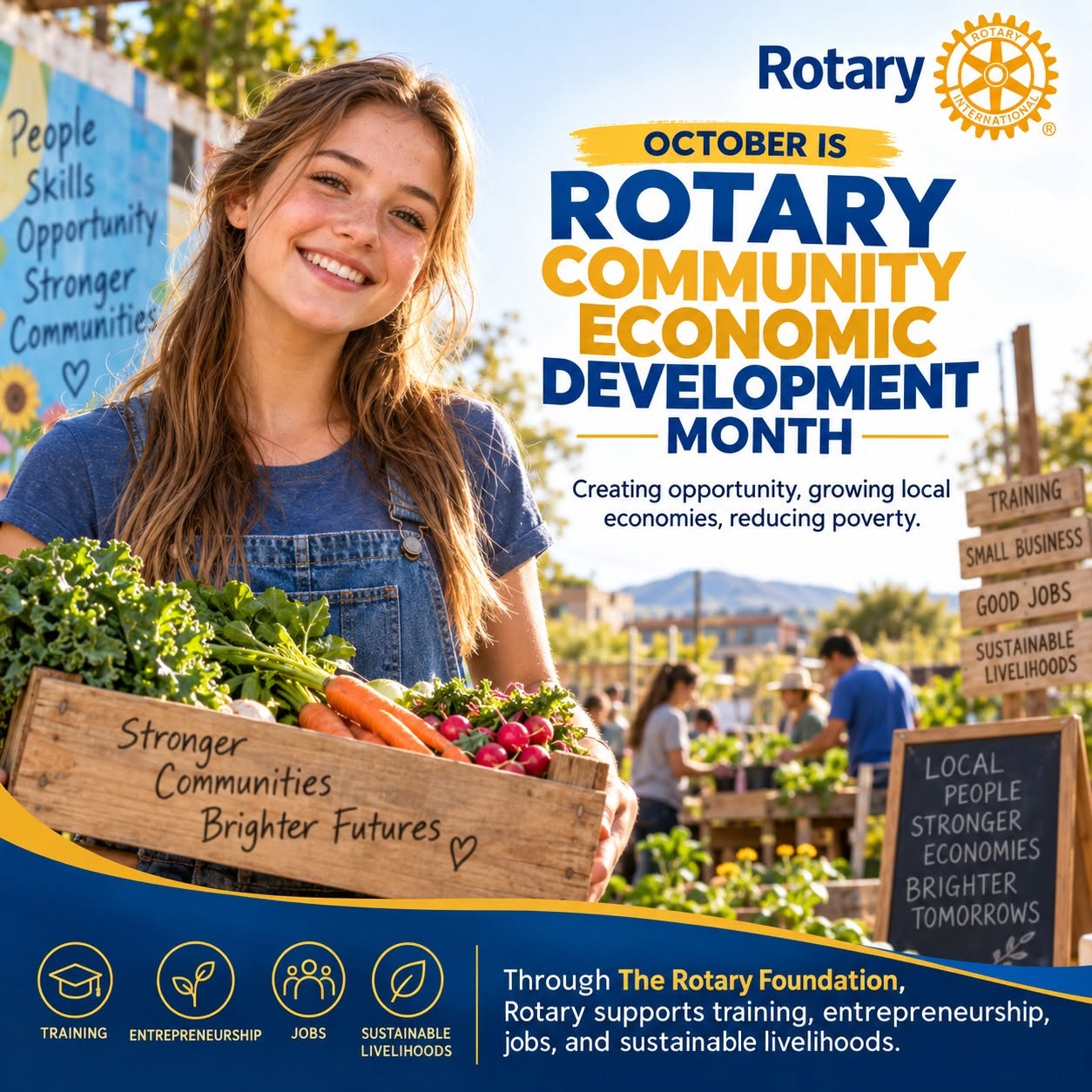
OCTOBER IS ROTARY’S ECONOMIC & DEVELOPMENT MONTH
ROTARY CLUB OF COOLAMON Inc. 2026-2027
Chartered March 3rd, 1971; Sponsoring Club Narrandera Rotary Club
- President: Leslie Weston
- President-Elect 2025-2026: Michael Trinidad
- Secretary: Henk Hulsman
- Treasurer: Vicki Langtry
- Rotary Foundation Director: Gary Truscott
- Membership Director: VACANT
- Service Projects Director: Anne Rzeszkowski
- Youth Services Director: Lexi Furner
- Club Admin Director: Dick Jennings assisted by Mark Reardon
- Public Relations & Image Director: Paul Weston
- Sergeant @ Arms: Daryl Breust
- Immediate Past President and Vice-President: Mary Potts
NON board Positions
- Club Environment Representative: Adrian Lindner
- Bulletin Editor: John Glassford
- Webmaster and Social Media: John Glassford